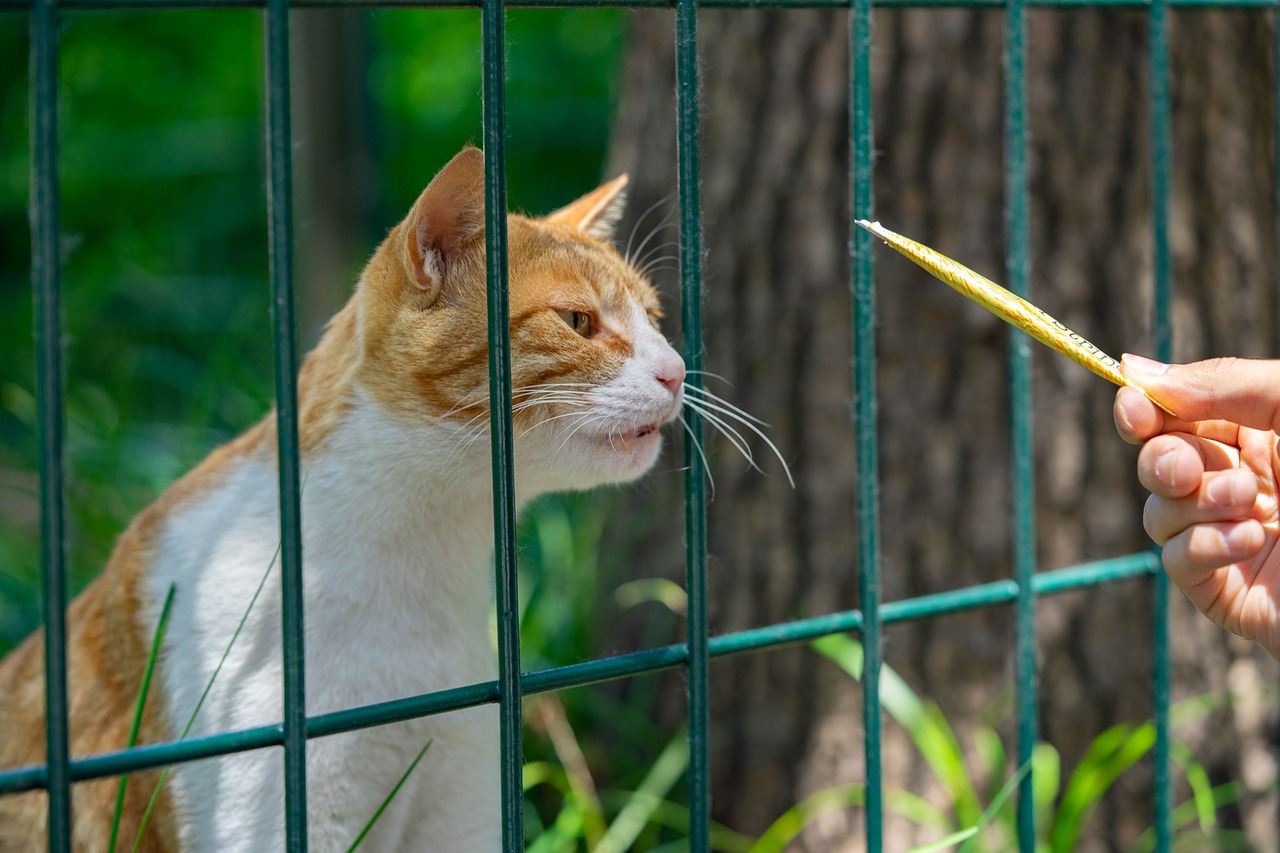

Tips for Feeding Senior Cats With Changing Dietary Needs
As cats age, their dietary needs can significantly change. Senior cats may face health issues that require adjustments in their diet. Recognizing the signs that indicate a need for a change in their feeding routine is essential for their well-being. Factors such as decreased metabolism, dental issues, or specific health conditions should be taken into account. It’s vital to consult a veterinarian before making dietary changes,. Such an informed approach ensures your senior cat receives the proper nutrition they need. Transitioning to senior-specific diets can help address these issues. These products often have lower calories, promoting a healthier weight. Make sure to examine the labels on the food packaging. Check for high protein and lower carbohydrates. Consistent feeding schedules can also assist in minimizing stress for your cat. Try to provide meals at the same time each day. This regularity can help stabilize their digestion. If your cat is picky, experiment with different textures and flavors until you find one they prefer. Incorporating wet food can enhance hydration, benefiting their overall health. Be patient as your senior cat adjusts, and provide them with the comfort they deserve.
Hydration is as critical as nutrition when it comes to senior cat care. Elderly felines are at a higher risk of dehydration, largely due to kidney issues. Therefore, offering water in various forms can encourage them to drink more. Consider placing multiple water bowls around the house, and perhaps even incorporating a cat water fountain. Many cats are attracted to running water, which may stimulate their drinking habits. In addition to fresh, clean water, you can enhance hydration by providing wet food which is higher in moisture content. Look for brands that have quality ingredients and low fillers. Observe your cat’s eating habits; are they consuming sufficient water? If you notice any signs of dehydration, such as dry gums or lethargy, seek veterinary attention. It’s also vital to monitor their litter box usage, which can indicate hydration levels. Dehydration can lead to serious health conditions, so it should never be overlooked. In terms of snacks, opt for treats that are hydrating, like small chunks of cooked chicken or fish. Ensuring consistent hydration will help keep your senior cat feeling energetic and content.
Adjusting Portion Sizes
Understanding portion sizes for senior cats can be challenging. Their nutritional requirements change as they age, which may require a reassessment of feeding amounts. Many commercial cat foods provide guidelines based on age and weight, but these can sometimes be misleading. Regular veterinary check-ups are crucial for adjustments in portion sizes. Being attentive to your cat’s weight gain or loss can guide you in altering the food quantity. If they start to gain too much weight, consider reducing the portions gradually while ensuring their nutritional needs are met. Conversely, if weight loss occurs, it might mean an increase in portions or a switch to more calorie-dense food. Senior cats might also benefit from smaller, more frequent meals throughout the day. This strategy can help prevent digestive problems and keep their metabolism stable. Incorporate more small meals instead of two larger ones. Moreover, using measuring cups can assist in maintaining accurate portion sizes. Be patient and attentive to your cat’s reactions, making adjustments as necessary to ensure they remain healthy and satisfied.
Consideration of food textures is equally essential for senior feline friends. Many aging cats struggle with dental problems that make chewing difficult. Dry kibble may be challenging for some seniors, leading to uneaten meals. Therefore, evaluating various food textures is vital for proper nutrition. Incorporating wet food can ease the chewing burden. Additionally, look for soft or pate-style options that are easier for them to consume. This shift can also provide additional moisture, which is critical for their hydration. If your cat has specific preferences, offer a combination of wet and dry foods. This diverse approach not only enhances nutrition but also keeps their taste buds stimulated. Some cats may even favor warm food, as it can release enticing aromas. Consider warming their meals slightly to encourage eating. Furthermore, introducing canned foods with higher oil content can provide a palatable and enriching experience. Monitor and understand how your senior cat reacts to different textures. Regularly revisiting your cat’s dietary choices can lead to a more pleasant mealtime and a healthier diet overall. Be open to experimenting until you discover what works for them.
Importance of Omega Fatty Acids
Omega fatty acids play a significant role in maintaining your senior cat’s health. These essential nutrients contribute to several functions, including coat health, brain function, and heart health. Omega-3 and Omega-6 fatty acids are vital for older cats, particularly when they are transitioning diets. You can find these fatty acids in various fish sources, such as salmon and sardines. Including these in your cat’s meals can enhance their health and tackle age-related issues. Look for cat foods that explicitly state these omega fatty acids in their ingredients. Alternatively, consider fish oil supplements. However, consult with your veterinarian before integrating any new supplements into their diet. Proper dosages should be adhered to, as excess amounts might lead to digestive issues. Additionally, incorporating these fatty acids can enhance joint health. Many senior cats experience arthritis, and Omega-3s can relieve inflammation. Pay attention to how your cat responds to dietary modifications. If your cat seems more playful and active after including these fatty acids, you’ll know you are headed in the right direction.
Being wary of food allergies is also crucial when adjusting your cat’s diet. Senior cats may develop allergies or sensitivities to ingredients they previously tolerated. Keeping an eye on symptoms such as itchiness, digestive issues, or changes in behavior can provide guidance. If you suspect that your cat’s food may be causing problems, consider keeping a food diary. Record their meals and any symptoms observed to identify potential triggers. When changing to a novel diet, do so gradually—this method is less stressful and can help avoid further digestive upset. Switching to hypoallergenic or grain-free food may be beneficial if you notice persistent issues. Check with your veterinarian to ensure that the new food aligns with your cat’s specific health needs. Conducting a gradual transition typically means mixing a small portion of the new food with the current one. Over a week, slowly increase the proportion of new food while decreasing the old. Monitor your cat closely for any signs of improvement or adverse reactions during this adjustment period. Being diligent can greatly enhance your senior cat’s quality of life.
Final Considerations
Monitoring your senior cat’s behavior and appetite is essential for effective feeding strategies. Changes in their eating habits might indicate health concerns that require immediate attention. Some cats may eat less due to dental pain or other underlying conditions. It’s crucial to recognize these changes, as they could point to declining health. Regular examinations by a vet can help determine if there are any medical issues needing to be addressed. Understanding your cat’s normal eating habits can empower you to identify problems early. You should also explore feeding methods that suit their preferences and needs. Trying various bowls or locations can create an optimal dining experience. Additionally, ensuring that their environment is calm and free of stress while eating can further encourage meal times. Cats can be sensitive and may refuse food in stressful situations. Always provide a comfortable and supportive environment for them during meal times. Ensuring your senior cat is well-fed and hydrated is vital for their quality of life. In conclusion, every cat is unique; patience and observation will lead you to the best feeding approach for your cherished companion.
Moreover, maintain a close relationship with your vet. Regular health check-ups can help tailor their diet according to any emerging needs. This collaboration between you and the professional will be vital in providing your senior cat the best care possible. Paying attention to detail in aspects of feeding during their senior years can immensely affect their happiness and health. As cats age, dietary requirements shift significantly. Senior cats need more careful attention, particularly regarding what they consume. Ultimately, small dietary adjustments can lead to noticeable improvements in their overall health. By putting the right measures in place, you can ensure your furry friend enjoys a longer and healthier life.