
Understanding the Impact of Lack of Socialization on Dog Behavior
Dogs, by nature, are social creatures that thrive on interaction with other dogs and humans. When dogs are not properly socialized, it can lead to a myriad of behavioral issues. These issues manifest when dogs are introduced to new environments or encounters with unfamiliar people and animals. The lack of social skills can cause fear, anxiety, and aggression. For instance, an unexposed dog may become overly timid or, conversely, react violently due to fear during a new experience. Unfortunately, this not only affects the dog’s quality of life but also impacts the life of their owners, making daily activities challenging. The significance of early exposure to various sights, sounds, and interactions cannot be overstated. The critical period for socialization is during the first few months of a dog’s life. It is essential that during this timeframe, dogs are exposed to different social circumstances. Owners should prioritize planned outings to ensure comprehensive exposure, alongside meeting various people and other animals. This strategy can dramatically improve a dog’s confidence and overall behavior, enhancing the bond between dog and owner.
Socialization is crucial for developing a well-adjusted dog. An inadequately socialized dog that lacks exposure may experience a range of problems during its adult years. Common behavior issues arising from lack of social interaction include excessive barking, aggression, avoidance, and destructive tendencies. For example, when an unfamiliar dog approaches, a poorly socialized dog may react with growling or lunging in fear, exhibiting aggressive behavior. This not only makes them a danger to other pets but also to themselves, as reactive behavior can lead to dangerous situations. Furthermore, owners may find it difficult to manage their dog in social settings since this behavior prevents positive interactions. Dogs that have not had opportunities for socializing may struggle to understand canine communication, contributing to further behavioral difficulties. It’s essential that owners recognize the signs of fear or anxiety, which can include trembling, low body posture, or attempts to escape. Providing early and consistent socialization can help to address these issues. Engaging in training classes, organized playgroups, or scheduled visits to dog parks can facilitate positive interactions. This proactive approach ensures the development of a calm and balanced adult dog.
Benefits of Early Socialization
Proper socialization introduces dogs to various stimuli, environments, and social interactions that contribute to stable behavior. The benefits of early socialization directly influence a dog’s ability to cope effectively in different situations. A well-socialized dog learns confidence, becoming comfortable with novel experiences, reducing the potential for shy or anxious behavior in the future. For instance, socialized dogs are typically calmer and more adaptable when faced with new challenges, whether that’s meeting other dogs or navigating busy environments. The enhancement of social skills can lead to better obedience and improved responsiveness to commands. By setting a foundation of positive experiences, you encourage a harmonious bond between dog and owner. Moreover, socialized dogs usually exhibit fewer behavioral problems, resulting in a more joyful and fulfilling companionship. Attending puppy socialization classes has been shown to yield excellent results in developing well-rounded dogs. Additionally, these classes promote positive interactions that discourage aggression and fear responses. Engaging with different breeds and sizes in controlled environments fosters empathy and good manners among dogs. Thus, socialization mitigates behavioral issues, inviting a more seamless integration into a family or community setting.
Sadly, a lack of socialization does not just affect behavior in childhood but can cause long-term consequences into adulthood. Adult dogs lacking early exposure may continue to exhibit fear towards unfamiliar situations. This can lead to avoidance behaviors, which require careful management from their owners. An adult dog that is fearful may attempt to escape when confronted by strangers or new animals. This not only raises safety concerns but may also lead to incidents that could jeopardize the dog’s wellbeing. Moreover, the physical health of an un-socialized dog can suffer due to stress-related illnesses. Mental health issues like anxiety can significantly impact a dog’s life quality, potentially leading to destructive actions like chewing or digging. Such behaviors create a cycle of negative interactions between the dog and owner, leading to frustration on both sides, often resulting in increased isolation for the dog. Socialization assists in breaking this cycle. With the right approach, many behavioral challenges can be mitigated or even resolved entirely. Owners should be diligent in advocating for their dog’s social development, seeking advice from professionals when needed to ensure healthier outcomes.
Strategies for Effective Socialization
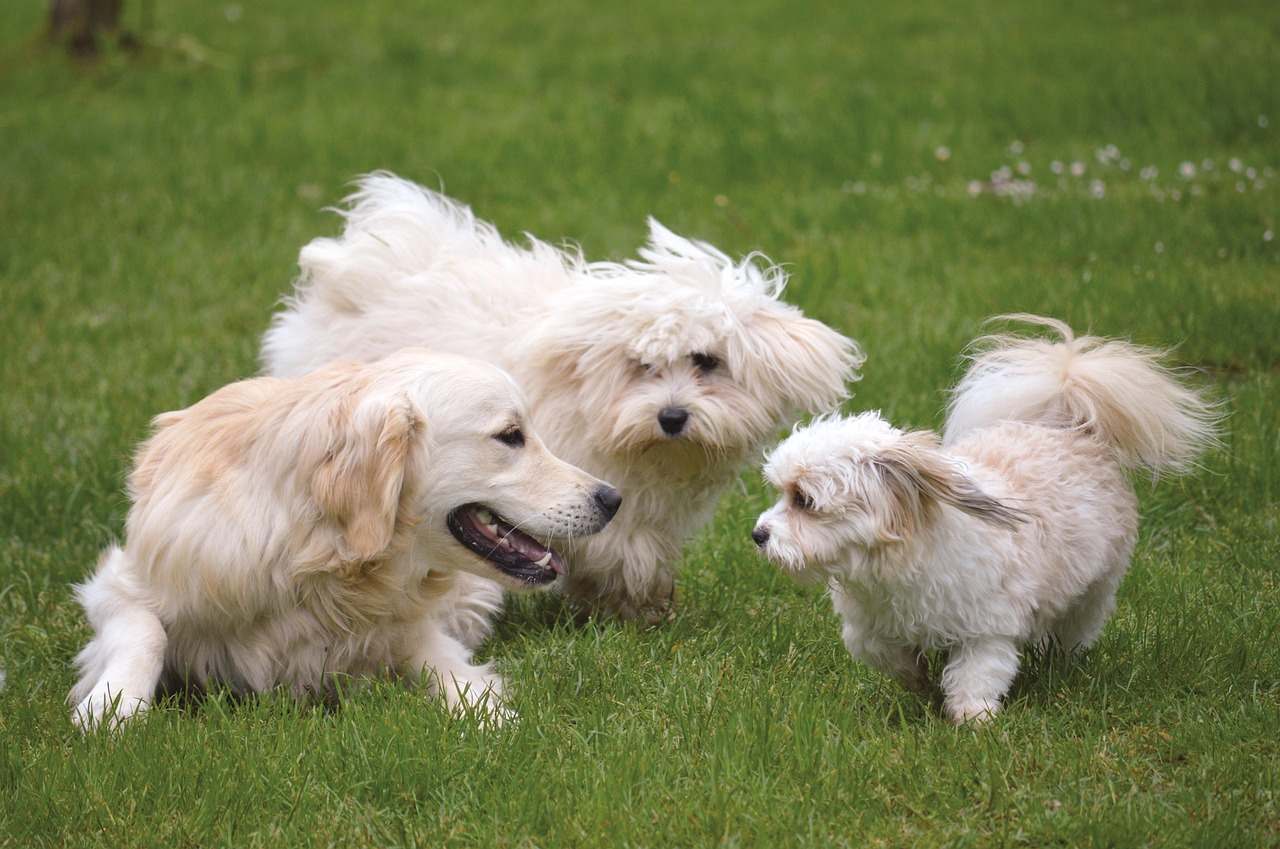
To combat the issues stemming from a lack of socialization, dog owners must implement effective strategies. One effective method includes exposing the dog to various environments, including parks, busy streets, and neighborhood gatherings. Gradual exposure to different sounds, smells, and sights can lead to increased relaxation over unfamiliar settings. Another critical strategy is to arrange play dates with friendly, well-mannered dogs. These interactions provide positive connections while teaching canine social skills. Using positive reinforcement during these experiences can further enhance learning, ensuring your dog associates new encounters with rewarding outcomes. Owners should also seek professional training resources to assist in developing proper technique. Classes can provide structured environments where dogs learn through guidance and practice. By consistently engaging in these social activities, an owner fosters a variety of responses. Consequently, it increases a dog’s comfort level and adaptability in unfamiliar situations. Being proactive in socialization creates well-behaved dogs, drastically reducing the likelihood of future behavioral issues. All these strategies encourage the development of a balanced and secure adult dog who thrives in diverse social situations.
In conclusion, the lack of socialization during a dog’s formative months has lasting impacts on behavior. Addressing these issues and prioritizing social experiences early will lead to a harmonious coexistence between humans and dogs. It is important for dog owners to recognize the value of attending training and socialization classes early on. Not only does this improve social skills, but it also opens the doors to opportunities for positive engagement. As highlighted, socialization directly correlates with a dog’s overall happiness and adjustment within society. By understanding a dog’s needs, owners can equip their pets with the necessary tools to navigate their environment confidently. Investing time and effort in socialization creates a foundation for healthy growth and development, ultimately leading to fewer problems as the dog matures. Hence, implementing interaction exercises and researching positive methodologies can greatly enhance a dog’s emotional wellbeing and behavior. Ultimately, a focused approach to socialization ensures a dog’s ability to thrive in various social settings and fosters a better quality of life. With mindful practices, owners cultivate the joyous experience of sharing life with a well-adjusted and confident canine companion.