
Working with Different Dog Breeds in Water Photography
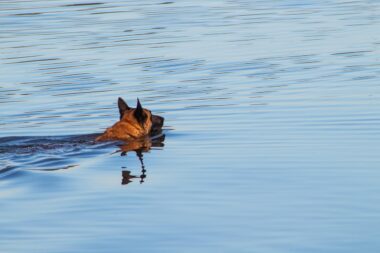
Capturing dogs in water can be an exhilarating experience for photographers, offering a unique opportunity to showcase different breeds. Each breed reacts differently to water, providing various angles and expressions to capture. Understanding these individual traits is vital when planning a shoot. For instance, Labrador Retrievers adore swimming, while Bulldogs may prefer observing close to the shore. Utilizing this knowledge can enhance your photography skills and make each shoot memorable. Consider the dog’s personality and energy levels while incorporating water into the shoot, making it fun for both the dog and the photographer. Create a comfortable environment that encourages swimming and playing, resulting in more natural, candid shots. Use treats and toys to entice the dog into the water, thus capturing dynamic moments. Planning is essential; check weather conditions and water safety beforehand to ensure a smooth experience. Props such as floating toys can add an element of fun. Finally, mastering different camera settings will allow you to adapt quickly to changing environments while ensuring vibrant images that showcase the dog’s beauty. Prepare to be patient, as some dogs may take time to adjust before feeling confident in water.
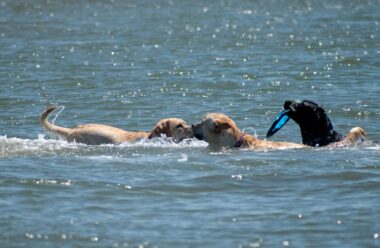
When photographing high-energy breeds like the Border Collie or the Australian Shepherd, you’ll want to capture their lively nature. These breeds thrive in water and often exhibit remarkable athleticism. To effectively shoot these dogs in action, consider using continuous shooting mode on your camera to capture a series of images as they leap and play. Utilizing high shutter speeds will freeze their movements, showcasing their agility. You might find it useful to shoot at a lower angle, closer to the water’s surface, to emphasize the dog’s movements and the splash effects. Additionally, using a wide aperture can help isolate the dog from the background, drawing attention to their joyful expressions. Ensure your camera is weather-sealed or use protective gear to prevent water damage while shooting in such conditions. Lighting is also crucial; shoot during golden hour when natural light is softer to capture stunning colors and highlights on the dog’s fur. Creating an engaging environment by using toys or inviting friends can also add variety to the images, thus capturing different interactions with their owners and each other. Use these tips to get amazing shots that convey energy and excitement.
Tips for Specific Breeds
Understanding how different breeds respond to water can greatly impact your photography results. Mixed breeds may inherit diverse characteristics from their lineage, making each dog unique. Always assess the dog’s comfort level with water. Breeds like the Golden Retriever and Newfoundland are natural swimmers, while small breeds, such as Chihuahuas, may be more hesitant. If shooting small breeds, consider shallow water to encourage them without overwhelming them. Properly introduce the breed to the water, encouraging gradual immersion for a more relaxed experience. If you aim to capture playful moments, use a lighthearted approach, ensuring that your presence is non-threatening. This method often yields the best candid shots, revealing the dog’s true personality. Utilize leashes and harnesses if needed for safety, allowing you to control the dog’s movements while granting them freedom to explore. For dogs unfamiliar with water, practice patience; coax them using treats or gentle encouragement. Creating an enjoyable atmosphere leads to more natural behavior, facilitating successful captures of the unique dynamics between the dog and water. Adjust your settings to harmonize the images, ensuring sharpness and vivid colors through good lighting techniques.
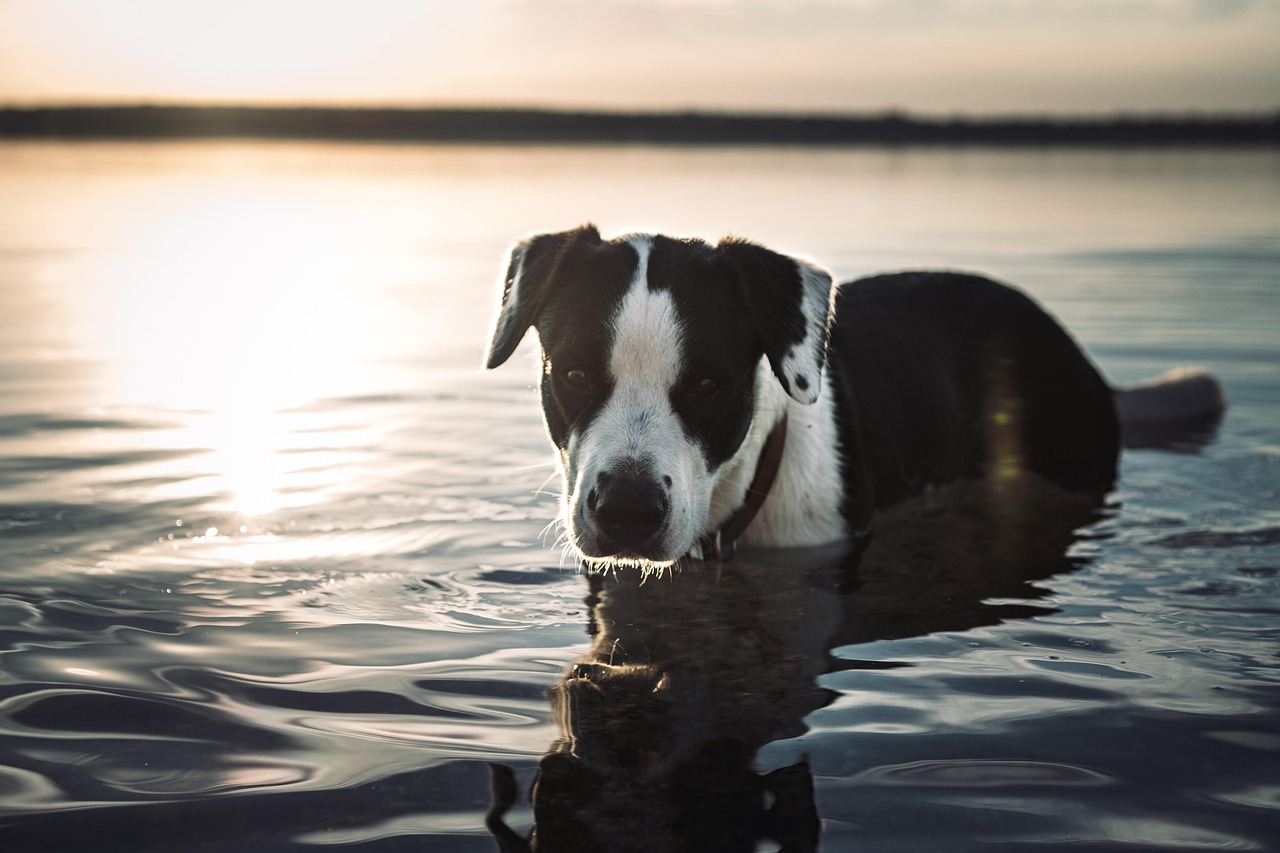
For breeds with less enthusiasm for water, such as the Boxer or the Shih Tzu, you’ll need to adjust your photography techniques to fit their personalities. Capturing these breeds can be equally rewarding by allowing their unique traits to shine through, even if they aren’t as adventurous. Instead of focusing solely on action shots, consider photographing them in relaxed settings near water, such as laying down beside the shore or cautiously dipping their paws in. These scenarios can portray their gentle nature and stem from their less assertive temperaments. Use close-up framing to focus on their expressions and details, capturing their beauty without needing them to interact much with water. Another effective strategy is to create a comfortable setting by bringing their favorite toys or using treats to create positive associations with the environment. Each breed’s personality directly influences its comfort level in water, which is essential to remember while adapting your shooting strategy. Look for opportunities where they are naturally drawn to the water’s edge or showing curiosity, and have your camera ready to capture those spontaneous moments of charm and curiosity.
Editing Techniques for Water Photography
Editing your photos post-shoot is just as crucial as the shooting itself, especially in water photography. Carefully adjusting contrast, brightness, and colors can drastically enhance the image quality. Focus on enhancing the aqua hues and reflections in the water, which can evoke a sense of serenity. When working with images of dogs in water settings, ensure to remove any distractions in the background that might take the viewer’s attention away from the subject. Cropping your images can also build stronger compositions by moving the subject closer to the focal point. Consider utilizing software such as Adobe Lightroom or Photoshop; they offer powerful tools for fine-tuning images. Adjusting sharpness and clarity will help define the dog’s features, especially when splashes are involved. Don’t forget to apply a light vignette effect to draw focus toward the dog as the central subject, enhancing its presence. Experiment with color correction to achieve a more vivid representation of the scene, ensuring it resonates with the mood you wished to capture. These editing techniques will ensure your water photography shines and resonates with those who admire your work.
Planning a successful shoot in the water also involves the understanding of your surroundings. Choosing the right location is integral to achieving stunning photos. Look for clean, safe water bodies, such as lakes or pools, which provide beautiful backdrops without compromising safety. Research your locations to ensure that they’re dog-friendly and provide ample space for both you and the dog to navigate without hazards. Early mornings or late afternoons are generally the best times for natural lighting, creating soft shadows and an inviting atmosphere. Always be cautious of currents, temperatures, and potential hazards that can affect the comfort and safety of the dog you’re shooting. If possible, scout the location beforehand to plan your angles and identifying features to incorporate into your images. A solid plan allows you to focus on capturing images instead of worrying about last-minute details. Bring along suitable towels, comfortable gear, snacks, and water for both you and the dog to stay refreshed and energized during the shoot. Thoughtful preparation will lead to a more relaxed and enjoyable experience, further encouraging spontaneity and fun in your photography.
Connecting with dogs and their owners is a critical component of successful water photography. Building trust is essential, as it allows dogs to feel relaxed and excited during their time in water. Before starting the shoot, spend some time interacting with the dog to establish a bond; this can lead to more authentic and natural expressions in photos. Engage the owner in the process, encouraging them to be nearby to help comfort and motivate their pet into the water. Prepare to give out plenty of praise and rewards to establish positive reinforcement, particularly for breeds that may be apprehensive. By showcasing the connection between the dog and its owner, you add a new layer to your photography, capturing not just the moment but also their relationship. Engage the owners by suggesting participatory activities, such as tossing a ball or throwing a stick into the water. Watching their pet’s enthusiasm can prompt spontaneous moments, ideal for stunning photographs. Perfecting the art of connecting with dogs will improve your overall photography skills and help in creating memorable images that beautifully capture the moment.