
High-Speed Flash Photography: Freezing Your Cat’s Movements
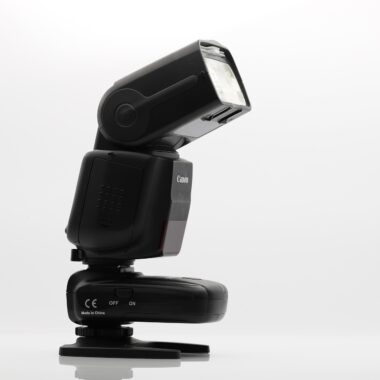
Capturing the lively personality and intricate movements of your feline friend can be both challenging and rewarding. This is where high-speed flash photography comes into play. The right lighting is crucial in freezing moments that might otherwise be blurred in standard light conditions. Cats are known for their quick, sometimes erratic movements, making it essential for photographers to utilize flash to illuminate and freeze action. To create compelling photos, you can either use an external speedlight or a built-in flash. However, the key is to synchronize the flash with your camera’s shutter speed effectively. Most DSLR cameras can handle significant flash sync speeds, which is critical in achieving crisp images of moments like pouncing, running, or playful antics. Understanding how to manipulate your flash settings, such as power and duration, will enhance your photos dramatically. Experimenting with these settings will offer you a new avenue for creativity and intricacy. The beauty of high-speed photography is that it reveals details we often overlook, showcasing your pet’s characteristics in dynamic ways that tell a visual story.
Flash photography can significantly improve the visual appeal of your cat photos. When photographing cats, consider natural light to ensure optimal capture. However, these furry creatures often prefer hiding in shadows, making it hard to get great shots without flash. Using high-speed flash effectively brings life to your images. Through careful manipulation of exposure time and flash duration, you can achieve the freezing effect you desire. Moreover, using a diffused flash helps soften the light, creating a more flattering look on your cat’s fur. It also helps avoid harsh shadows and bright spots, especially when close to your subject. Additionally, highly reflective surfaces near your shot might bounce unwanted light back into your camera. Undertaking trial and error while managing your flash set up will eventually lead to immense improvements in your photographs. Keep in mind the angle of your shot and how the light interacts with the contours of your subject’s body. It is essential to ensure your cat is comfortable during the session. The final goal is to blend a relaxed atmosphere with the right technical settings to capture beautiful flashes of elegance and whimsy.
Understanding Flash Modes and Settings
To achieve outstanding high-speed flash images, familiarize yourself with your camera’s flash modes. Your camera has specific settings for both manual and auto flash options. Manual mode gives you more control over the power output of your flash, which can tremendously affect the final image result. A lower power output can help maintain the natural color and features of your cat, while a higher output can freeze fast movements more effectively. Conversely, automatic mode works seamlessly by adjusting the flash strength based on the ambient light. An advantage of using the automatic setting is that it saves you time, especially during spontaneous photography sessions. It’s advisable to know when to use each mode for the best results. Additionally, consider using high-speed sync settings if your camera supports them. This allows you to use faster shutter speeds with flash, which is particularly useful in bright settings or to capture sharp movements without overexposing the shot. Experimenting with these settings enables you to discover the perfect method for your particular shooting scenarios, enhancing your overall cat photography experience.
Utilizing bounce flash can also drastically improve your cat photography. Instead of pointing the flash directly at your subject, angle it towards a nearby surface, like a wall or ceiling. This technique softens the light and creates a more pleasing light quality in your images. Cats have diverse fur patterns and colors that can reflect harsh light. This is where soft lighting adds to the aesthetic appeal, emphasizing textures and colors beautifully. It can create shadows and highlights that contribute to the image’s overall mood. Another benefit of bounce flash is that it reduces the risk of red-eye, which can occur when direct flash reflects off the retina of your pet. Keeping your cat comfortable and familiar with the sound of your camera gear, including the flash, is vital in achieving successful shots. Providing treats or toys during the session can help keep your cat engaged and willing to participate. This playful interaction results in naturally stunning shots, reflecting your cat’s attitude and elegance as they enjoy themselves during the photo shoot.
Practical Tips for Successful High-Speed Cat Photography
There are several practical tips to consider when embarking on high-speed flash photography of your cat. Firstly, prepare to engage in fast reflexes; you’ll want to anticipate your pet’s movements very keenly. Having your camera ready, with settings adjusted beforehand, maximizes your chances of capturing that elusive moment. It’s also vital to pay attention to your cat’s behavior and mood. Observe how they play, and position yourself so you can further enhance the chances of hitting that perfect shot. Utilizing burst mode on your camera allows you to take multiple images in quick succession, increasing the likelihood of nailing the ideal expression and movement. Experiment with different angles and compositions to discover unique and creative perspectives that showcase your cat’s personality. Additionally, incorporating props or toys can add an engaging element to your photos. You might include a feather toy or a cozy blanket as part of the shot. Engaging with your cat through play increases trust, which can lead to more relaxed and expressive moments to freeze in time.
Post-processing plays an essential role in enhancing high-speed photos. Once you’ve captured your images, utilizing software like Adobe Lightroom or Photoshop brings additional improvements. The software allows you to adjust exposure, contrast, sharpness, and colors to create the perfect final look. When using artificial flash, sometimes it may lead to overexposed areas in your photos. Thus, be prepared to decrease highlights on those sections effectively. You can also apply noise reduction techniques to enhance image quality, particularly if you shot at higher ISO settings to accommodate low-light conditions combined with flash. Additionally, cropping can help you focus more on your pet, eliminating distractions from the frame. Consider experimenting with black-and-white processing as well, which can add vintage elegance to your cat’s moments. The fun does not have to stop at the shooting stage; it continues in processing as you mold your captured moments into visual stories. Remember, this is your opportunity to create art with your beloved feline. Combining your skills with powerful editing tools often results in astonishing photographs.
Conclusion: The Joy of High-Speed Flash Photography
The adventure of high-speed flash photography with cats opens up a whole new world of creativity and expression for any cat lover. By mastering technical settings, experimenting, and ensuring that your cat is comfortable, the outputs can be immensely gratifying. Each freeze frame presents a unique glimpse into your cat’s natural behavior and personality, capturing their whims with intricate detail. Understanding flash dynamics enriches this process, facilitating the all-important connection between your pet and the art of photography. With practice, you’ll soon notice your photography skills improving, allowing for more striking representations of your playful feline friends. Encouraging your cat through fun sessions fosters a bond that transcends photography. Not only will you have incredible images to cherish, but you will also have memories created through playful interaction. Take these techniques into your routine, dedicate time to your craft, and appreciate the unique visual storytelling potential that your precious cats offer. Each click of the shutter is a celebration of their spirit, and with high-speed flash photography, you will preserve those fleeting moments forever.
Extra Resources and Communities
Engaging with online communities dedicated to cat photography can significantly aid in improving your skills. Websites like Reddit have various subreddits focused on photography where enthusiasts share experiences and tips. Consider joining local photography clubs, as they often host workshops and organize fun photo sessions, presenting great opportunities for improvement. YouTube is an excellent source for tutorials focusing on high-speed photography techniques and using flash effectively. Numerous photographers share their methods and insight, simplifying complex topics for easier understanding. Additionally, photography books focusing on pet photography can provide deeper insights into the nuances of working with animals. Don’t hesitate to seek feedback on your work from these communities; constructive criticism can illuminate aspects you may overlook. The joy of capturing your cat is ever-expanding, evolving as you learn from diverse sources and shared experiences. Through collaboration and exposure to new methods, you will not only grow as a photographer but also discover innovative ways to photograph your beloved pets creatively. Embrace the learning journey, and soon your portfolio will reflect a captivating narrative of your cat’s life.