
How to Prepare Your Senior Dog for Vaccination Appointments
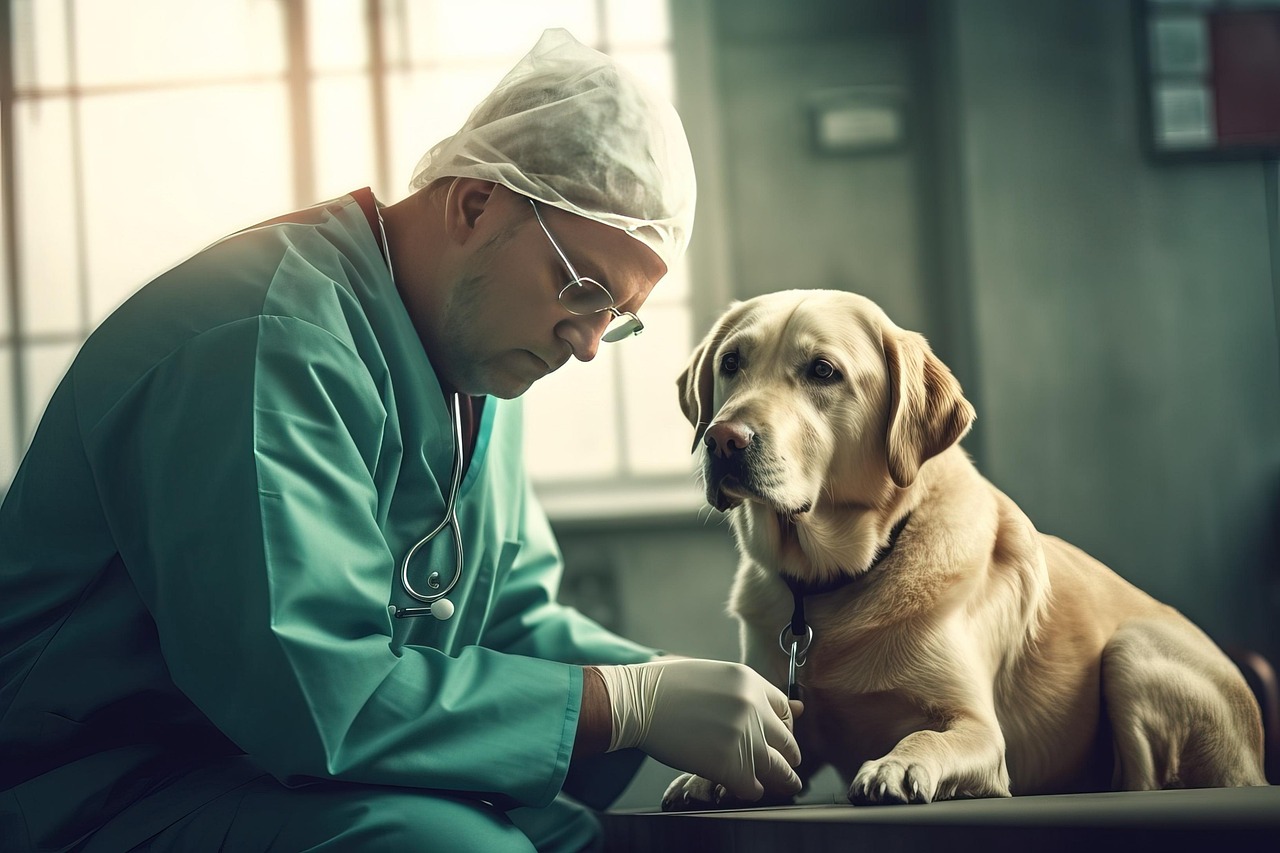
Preparing your senior dog for vaccination appointments is an essential part of ensuring their health and wellbeing. Many senior dogs may have underlying health issues, making it necessary to consult with your veterinarian before scheduling vaccinations. Once the appointment is set, familiarize your dog with gentle handling and positive reinforcement. This can ease anxiety, making the appointment smoother for both you and your pet. Remember to bring along any previous vaccination records to help the veterinarian assess your dog’s immunization history. Consider discussing with your vet about any specific vaccinations recommended for older dogs, as they may require a tailored approach. Hydrating your dog adequately before the appointment minimizes the chances of stress-related issues. It’s also advisable to prepare beforehand by gathering necessary items like a favorite toy or blanket, which can provide comfort during the visit. So, invest the time to ensure your senior dog is calm, collected, and ready for the much-needed vaccination appointment. Always keep in mind that regular vaccinations can help prevent serious illnesses, thus extending the life and quality of your beloved pet.
Importance of Regular Vaccinations for Senior Dogs
Vaccinations play a crucial role in maintaining the health of senior dogs. As dogs age, their immune systems may weaken, making them more susceptible to various infections and diseases. Regular vaccinations help fortify their defense against potentially deadly diseases, such as parvovirus, rabies, and distemper. Effective vaccination schedules are tailored to individual dogs, taking into account their unique health profiles and risks, especially important for older pets. Besides, routine vaccinations can help identify any emerging health issues during vet visits, allowing for early interventions. While senior dogs may have received core vaccines earlier in life, some vaccines may need boosters or re-evaluating to ensure ongoing protection. Along with vaccinations, discuss topics like parasite control and dental care, as these issues can significantly impact a senior dog’s overall health. Always consult your vet to develop the ideal vaccination strategy for your senior dog. Adequate planning, understanding, and regular check-ups can foster a healthier and happier life for your furry friend as they age gracefully.
Before your senior dog’s vaccination, it’s crucial to assess their overall health condition. Routine check-ups can help detect any underlying issues that need addressing to ensure your dog safely undergoes the vaccination. Schedule a comprehensive examination with your veterinarian, discussing any notable changes in your dog’s behavior, appetite, or general health. The vet can provide recommendations on pre-vaccination protocols. Prepare for the appointment by having your dog fast for a few hours beforehand if advised. This ensures that your dog will not have any gastrointestinal distress during and after the vaccination. Additionally, it’s essential to maintain a relaxed and calm atmosphere at home in the lead-up to the appointment, reducing any anxiety your dog might feel. On the day of the vet visit, provide ample opportunities for exercise or gentle outdoor time to release any pent-up energy. Lastly, ensure you have transportation arranged that is both comfortable and accommodating for your older dog. Following these essential steps will help make vaccination day a successful and stress-free experience for both you and your furry companion.
Post-Vaccination Care
After your senior dog has received vaccinations, it is important to monitor them closely for any adverse reactions. While most dogs tolerate vaccines well, some may experience mild side effects such as lethargy, swelling, or slight discomfort at the injection site. Ensure your dog receives plenty of rest after their appointment, as they might need a little extra downtime to recover. Pay attention to your dog’s eating and drinking habits over the next few days as well. If you notice any concerning symptoms—such as persistent vomiting, diarrhea, or difficulty breathing—contact your veterinarian immediately for guidance. It can be beneficial to have the vaccination record on hand, along with any other relevant health documentation, for reference. Providing your dog with a comfortable space to rest is equally crucial for their recovery. Consider providing bland food if your dog has a decreased appetite, as it may be gentler on their stomach. Gradually reintroduce their usual diet over a few days if needed. By taking these precautionary measures, you can ensure your senior dog remains healthy and well-cared for in the post-vaccination period.
Veterinary communication is critical when preparing your senior dog for vaccinations. Establishing a good rapport with your vet will enable you to address any concerns and receive tailored advice specific to your dog’s needs. Providing your veterinarian with detailed information about your senior dog’s medical history, including any medications they are currently taking, can aid in formulating an effective vaccination plan. Always discuss potential risks associated with vaccinations, particularly if your senior dog has special medical conditions, allergies, or other health challenges. Be open to recommendations your vet might provide regarding alternative vaccination schedules or additional treatments your dog may require. Developing a check-up routine that works for you and your dog can enhance overall health management as your dog ages. Quality communication also includes understanding vaccine efficacy and integrating other preventative healthcare measures into your senior dog’s routine. This can include parasite prevention, dental hygiene, and skin care, which contribute to their overall wellness. A proactive healthcare approach can significantly benefit your senior dog, allowing them to live a longer and happier life.
Conclusion
In conclusion, preparing your senior dog for vaccination appointments involves thorough planning, consultation with your veterinarian, and attentive care during both pre- and post-vaccination phases. Understanding the importance of vaccinations for your aging pet ensures that they remain protected from serious diseases and can enjoy a healthier life. Emphasizing the need for regular veterinarian visits to address any health concerns early is vital. It’s integral to form a strong bond with your vet, which will facilitate easier management of your senior dog’s healthcare needs. By adopting a proactive approach to your dog’s health, including vaccinations, you can make significant strides towards enhancing their quality of life. Always keep in mind that the love and attention you provide significantly contribute to your dog’s happiness and wellbeing in their golden years. Consult resources and stay informed regarding treatments and preventive measures that can benefit your senior dog. Remember, your care and concern are invaluable to your furry friend as they navigate the challenges of aging. Devote your efforts to ensuring they receive the best start to each new adventure in their senior years.
To summarize, understanding your senior dog’s vaccination needs creates a foundation for their health maintenance. Therefore, meticulous attention to details prior to, during, and following vaccination appointments proves invaluable. This guide should equip you with knowledge to provide optimal care for your cherished canine companion. As the days go by, it’s essential not to overlook wellness initiatives crucial for senior dogs. Preparing for veterinary visits shouldn’t be a daunting task; rather, it should be a fulfilling experience promoting your dog’s wellbeing. Ensuring that senior dogs are given routinely scheduled vaccinations should be part of every responsible pet owner’s care routine. Consistency in care and monitoring your dog’s health can lead to remarkable longevity, enhancing their quality of life in their golden years. Warm, loving environments play a key role in successfully navigating your dog’s vaccination and healthcare journey. Always celebrate those moments with your furry friend by engaging in enjoyable activities. Over time, incorporating regular exercise and a nutritious diet also contributes positively to their well-being. By taking a holistic approach to your senior dog’s health, you set the stage for cherished moments together.