
Influence of Cat Breed on Matting and How to Prevent It
The matting and tangling of cat hair can be a significant problem for many cat owners. Different cat breeds have distinct fur types, which influences the likelihood of matting. Long-haired breeds, such as Persians and Maine Coons, are particularly prone to tangles, while short-haired breeds may experience less matting. Brushing is crucial for long-haired varieties to maintain a healthy coat. Owners should be aware of their specific breed’s grooming requirements. Regular grooming not only prevents mats but also promotes a healthy skin and coat. Establishing a routine based on the cat’s needs is paramount. Factors such as age, activity level, and health status can also affect grooming frequency. Implementing a grooming schedule helps in managing fur effectively, reducing the occurrence of mats significantly. Using appropriate tools, such as wide-toothed combs for detangling, further assists in preventing mats. Grooms must be gentle yet thorough to avoid skin irritation or injury to the cat. Finally, understanding the unique needs of their cats allows owners to prevent matting more effectively, ensuring a happier, healthier feline companion.
In addition to daily grooming, nutrition plays a vital role in preventing matting in cats. A well-balanced diet, rich in essential fatty acids, can contribute to healthy, less-matted fur. Foods that include omega-3 and omega-6 fatty acids help to promote the coat’s shine and texture. Hydration is equally important; ensuring your cat drinks sufficient water supports overall health and helps maintain coat smoothness. Certain breeds are more prone to dry skin, which can cause their fur to tangle. Proper hydration combined with a nutrient-dense diet allows for optimal fur quality, thereby reducing matting issues. Consulting a veterinarian about the best food options for specific breeds can help in creating a tailored dietary plan, aiding in promoting healthy fur. Regular vet check-ups will ensure cats receive the necessary nutrients to maintain healthy skin and coat. Additionally, supplements may be considered if dietary changes alone do not yield desired results. Investing time in understanding nutrition can pay off by keeping your cat’s coat looking great while minimizing tangles. Taking such steps ensures your pet remains comfortable and stylish.
Common Grooming Tools for Different Breeds
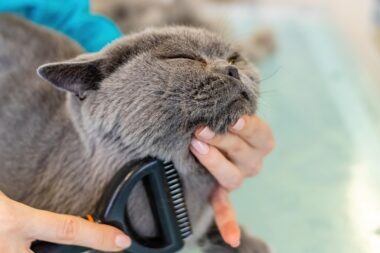
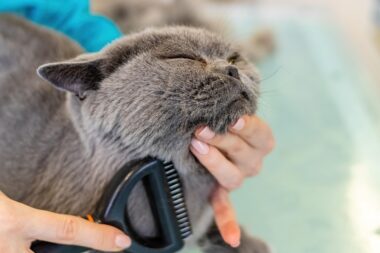
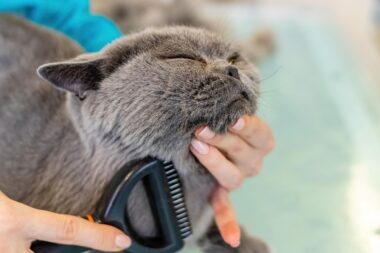
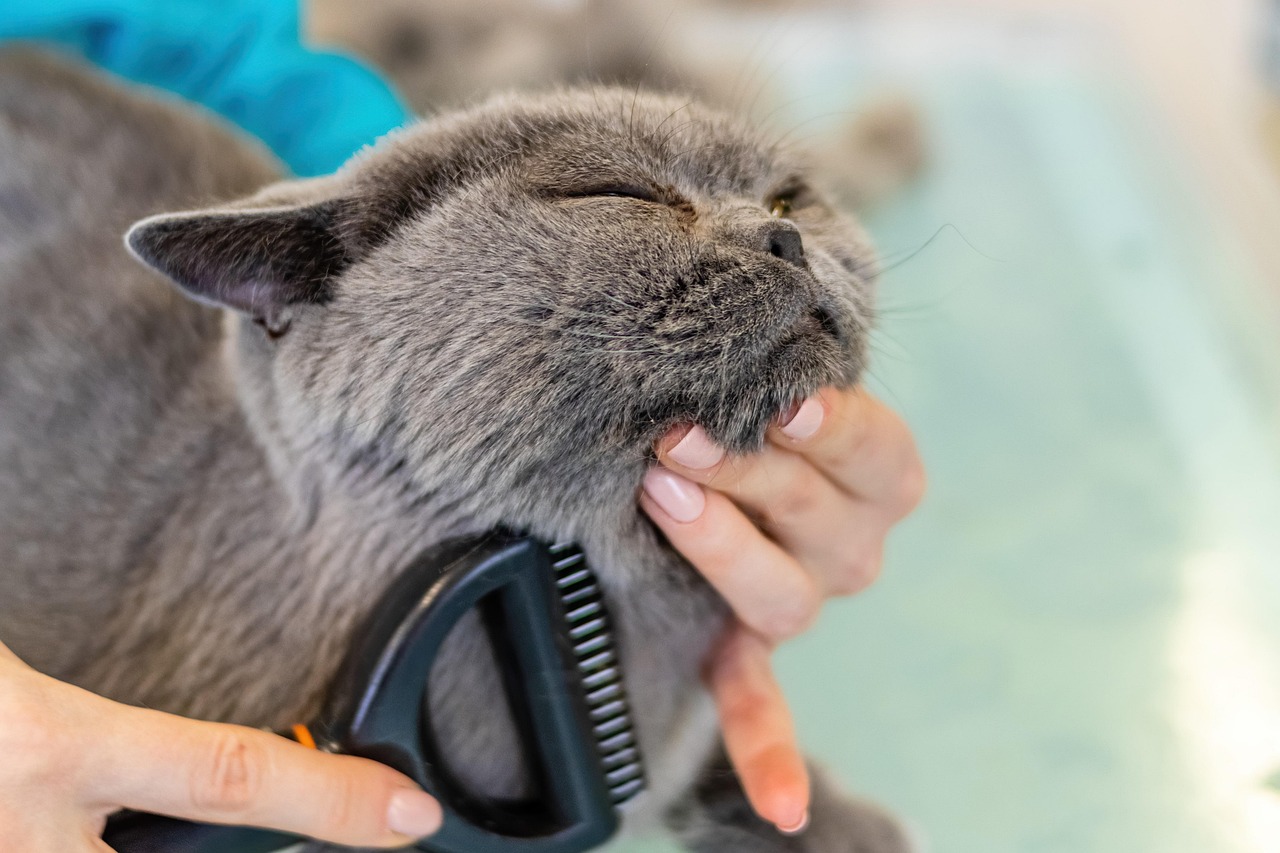
Using the right grooming tools is essential for preventing matting and tangles in cat breeds. Comb types vary in effectiveness based on fur length and texture. For long-haired cats, such as Ragdolls, a metal comb or a slicker brush is recommended. These tools work well to detangle and remove loose fur without causing discomfort. Short-haired breeds, like British Shorthairs, benefit from softer bristle brushes designed to manage their unique coat types. Rubber grooming mitts can also help for short-haired cats, offering a dual-purpose of grooming and bonding time with your pet. When choosing grooming tools, consider your cat’s temperament and sensitivities as well; some may feel stressed during grooming sessions. Monitoring their response can help narrow down the most suitable tools. Furthermore, investing in high-quality brushing tools often pays dividends, providing a better grooming experience for both you and your cat. Regularly maintaining grooming equipment promotes hygiene and effectiveness. Keeping the tools clean and well-maintained will ensure they perform optimally, further preventing matting and creating a positive grooming routine.
Scheduling professional grooming sessions can be beneficial, especially for breeds highly prone to matting. Groomers possess specialized skills and tools that may be beyond what is normally used by pet owners. For breeds like the Persian or the Angora, professional grooming every four to six weeks can manage matting effectively. Groomers have experience with specific breeds and may offer additional insights on maintaining fur quality at home. During these appointments, owners can learn how to better groom their cats between sessions. Regular appointments with a groomer ensure that mats are addressed before they become a more significant issue. Many groomers also provide services such as de-shedding and coat conditioning for longer-lasting results. This professional approach helps to reduce stress on both the cat and the owner. Additionally, well-groomed cats often experience enhanced comfort, reducing the chances of skin irritation caused by mats. Ultimately, knowing when to rely on a professional can greatly impact a cat’s grooming routine and overall well-being.
Signs Your Cat Has Mats
Recognizing the signs of matting early can significantly reduce the amount of fur maintenance necessary for your pet. Visual signs include clusters of fur that appear tangled or knotted, often observable around sensitive areas such as the armpits or behind the ears. If you notice your cat frequently grooming one area, it may indicate discomfort from mats. Additionally, check for areas where the skin might become exposed due to excessive pulling from tangled fur. Persistent grooming can lead to skin irritations or infections. Behavioral changes, such as withdrawal or signs of pain when touched, may also indicate the presence of mats that need attention. Regular inspections can help you identify issues before they escalate into more serious grooming challenges. If you can feel small knots or tangles while petting, take action immediately to detangle them before they worsen. Furthermore, maintaining a close relationship with your cat fosters easy grooming interactions. Encouraging your cat to enjoy grooming can lead to quicker resolutions for matting problems, ensuring a happier grooming experience.
When tackling mats, patience and gentle techniques are essential to prevent injury or stress for your cat. Always begin by carefully assessing the area of matting, determining the best way to approach the situation. Gently separate the fur before using any tools, as this reduces fur breakage. If the mat seems substantial, consider using a detangling spray designed specifically for pets to aid in loosening knots. Start at the tips of the mats, using a comb or brush to prevent additional pulling on the skin. Gradually work your way to the base, being cautious not to tug or cause pain. If mats are particularly tight and unyielding, it may be best to consult a veterinarian or a groomer for assistance to avoid causing harm. Never resort to cutting mats out with scissors unless absolutely necessary; this can result in unintended injuries. Maintaining a regular grooming schedule reduces the likelihood of encountering significant matting situations. Ultimately, kindness, gentleness, and understanding can create positive grooming experiences for both owners and their feline friends.
Conclusion: Maintaining a Healthy Coat
Preventing matting and tangles in cat fur ultimately depends on a combination of routine grooming, nutritional considerations, and understanding specific breed needs. By recognizing the grooming requirements of your pet, owners can provide a comfortable and healthy coat optimal for their breed. Regular grooming not only prevents matting but strengthens the bond between owner and pet. Given that different breeds come with their unique fur characteristics, it’s essential to tailor grooming routines to fit these particular needs, especially for those breeds more prone to tangling. Using the right tools and techniques, combined with good nutrition and hydration practices, can prevent a host of grooming issues. Remember to monitor your cat for any signs of irritation or discomfort due to mats or tangles, and act promptly to address these concerns. By ensuring consistent care, including potential professional support when necessary, cat owners can significantly minimize matting issues. This proactive approach results in healthier, happier cats, positively impacting their overall well-being. Ultimately, a little effort in grooming can lead to a lifetime of comfort and happiness for your feline companion.
Ultimately, the responsibility of maintaining your cat’s coat and preventing mats lies in understanding their needs and preferences. Fostering a positive grooming relationship aids in creating a nurturing home environment for your cat. Share any concerns with your vet regarding matting or grooming habits, as they can offer personalized guidance and support. Every cat is unique, and its needs may vary, requiring some trial and error as you ensure a comfortable grooming routine tailored just for them. Remember, the goal is not just to keep your cat’s coat looking good but also to enhance their overall quality of life. By committing to these essential grooming practices, you can expect your feline friend to feel great and display a healthier coat. Embracing the grooming journey with your feline companion can be fulfilling and rewarding. Additionally, learning from experiences shared with fellow cat owners can provide new strategies for advanced grooming techniques. Maintaining an open dialogue with others helps keep you informed of best practices tailored to various breeds. With dedication and willingness to learn, owners can navigate the world of cat grooming successfully.