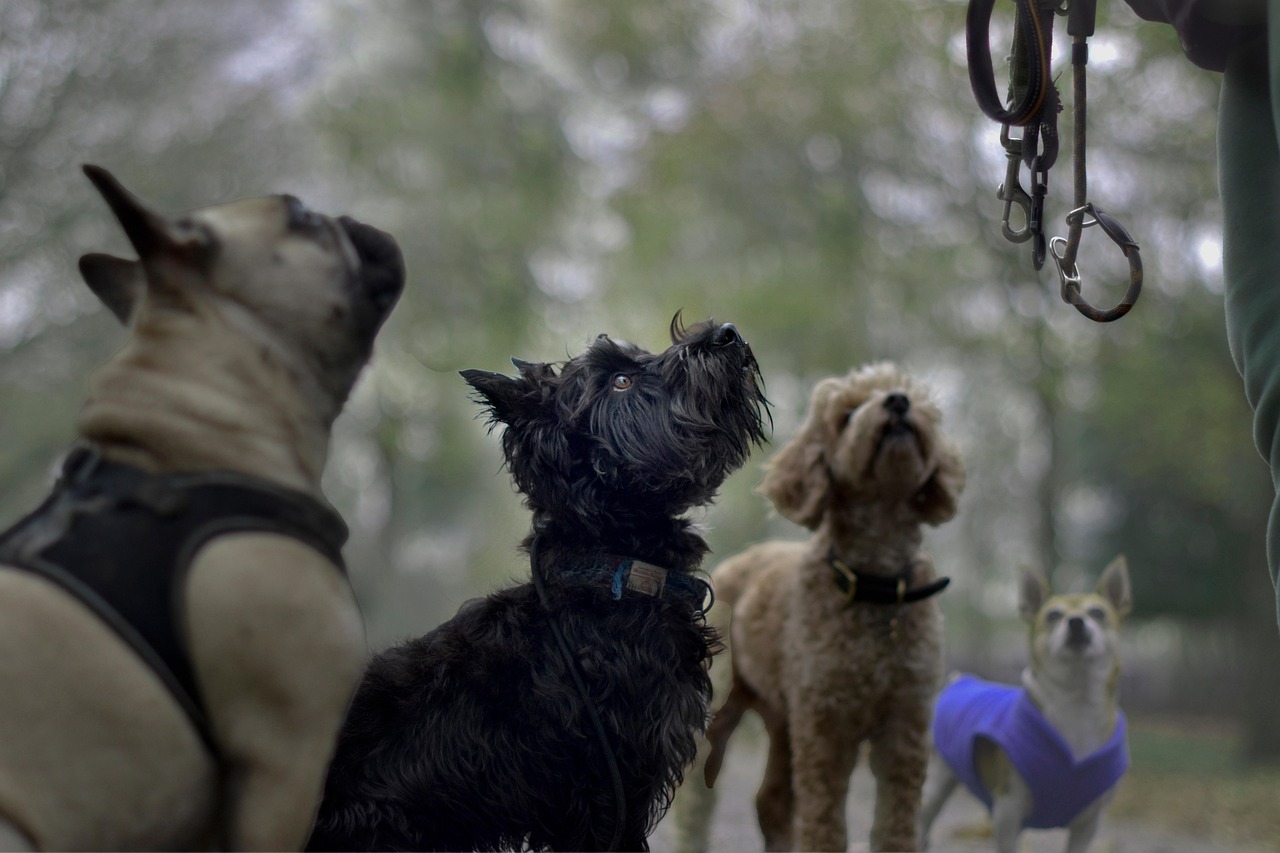

Managing Dog Interactions During Group Exercises
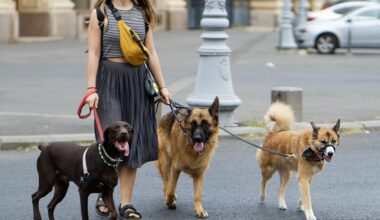
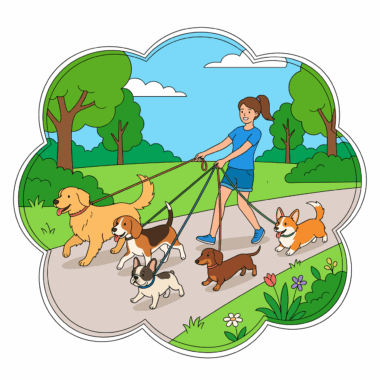
When organizing group exercises for multiple dogs, safety and positive interactions are of utmost importance. Many dog owners may be uncertain about how to facilitate enjoyable, productive activities without chaos emerging. One effective approach is to familiarize dogs with each other in a controlled environment before introducing them to outdoor exercises. Doing so allows them to establish a sense of comfort and ensures that they recognize their peers. Group exercises can range from socializing encounters to fitness activities like fetch or running sessions. Additionally, utilize commands and cues that all dogs are familiar with to ensure cohesive communication among the group. These preparations can minimize undesirable behaviors, encouraging fun and cooperation. Ensure that exercise periods are neither too long nor too intense, as fatigue can lead to lost control. Regular breaks will also help maintain stamina and focus. Owners should consistently supervise their dogs and manage interactions skillfully. Lastly, integrating toys such as agility equipment or interactive puzzles can help maintain focus and engagement during group activities.
Pre-planned activities can foster better dog interactions while exercising. Each dog’s unique temperament must be accounted for to ensure that they feel secure engaging with peers. Identifying and understanding the personality traits of each dog can assist owners in assigning compatible pairs or groups for various exercises. For instance, pairing high-energy dogs with similar temperaments can enhance group dynamics and minimize stress levels during interaction. Engage in gradual introductions and build interactions incrementally to promote positive behaviors. Moreover, always monitor body language, as this can signal how comfortable or anxious specific dogs feel in a group setting. Be prepared to intervene if aggressive or fearful behaviors arise, redirecting attention to behavior reinforcement through verbal praise or treats. Training exercises that involve cooperation can establish teamwork environments, allowing dogs to engage naturally without tension. Examples include leash training exercises or fun fetching games that promote collaboration. Remember that positive reinforcement not only helps dogs feel safe but increases the likelihood of cooperative behavior as they learn to associate exercise with enjoyable, rewarding experiences with peers.
Establishing Group Exercise Guidelines
Setting ground rules for group exercises is vital for ensuring the safety and enjoyment of all canines involved. Develop guidelines that address factors such as the appropriate number of dogs allowed and their respective behaviors when interacting. Limit the amount of dogs in a single group exercise session to ensure that every owner can actively supervise their beloved pets without becoming overwhelmed. Create established routines, such as a greetings protocol before stretching or warming up, helping dogs feel at ease and establishing familiar practices. Additionally, educate owners on the importance of addressing any signs of discomfort, anxiety, or aggression among their pets promptly. Encourage all participants to engage in positive reinforcement techniques, as well as effective verbal communication with dogs. This collaborative approach enhances the experience for both dog owners and their pets, promoting better behavior during group sessions. Rewarding dogs for positive behaviors encourages confidence and decreases the chances of conflict. Implement a no-contact policy with unfamiliar dogs until the group dynamic is established further for added safety. These measures will greatly promote a healthy, safe environment.
An outdoor space suitable for dog exercise must also be safe, secure, and accessible. Select locations that are suitable, such as fenced parks or designated exercise areas with adequate space for running and playing. These settings will provide dogs a controlled environment for safe interactions. When choosing your location, consider factors such as current weather conditions and any distractions that may hinder focus. As noise and sudden movements can cause anxiety, select locations that offer a peaceful atmosphere. Designating specific areas for off-leash activities, when appropriate, can facilitate freedom while ensuring safety. Owners should ensure to have essential items prepared, such as water, treats, and first-aid kits. Maintaining a clean environment not only supports health but also teaches dogs good habits. Clean-up protocols should be consistently enforced, emphasizing responsibility towards shared spaces. Dedicating time to supervise interaction areas ensures dogs feel secure and encourages positive experiences. Providing breaks and structured activities will keep dogs engaged while ensuring that energy levels remain manageable. These strategies are essential for successfully managing dog interactions during group exercises, leading to enjoyable, safe experiences.
Addressing Conflicts During Group Exercises
No matter how well-planned group exercise sessions may be, unexpected conflicts can arise among dogs. Effective conflict resolution strategies focused on communication and canine behavior understanding are crucial. When a dog exhibits aggression or anxiety, immediate intervention is necessary to prevent escalation. Use calm verbal commands to redirect the dog’s attention or engage them with toys or treats that they enjoy. Owners must secure their pets using leashes and remain vigilant about all interactions. Once a conflict is resolved, allow the dogs to regroup slowly. This way, they can re-establish comfort levels through activities that promote positive associations. Gradually reintroducing them can also encourage acceptance. Remember that some dogs may need time apart before rejoining interactions during group exercises. This dynamic highlights the necessity for open communication between owners during group activities to maintain a supportive environment for all. Additionally, consider consulting with professional trainers to facilitate difficult scenarios and provide guidance on best practices for conflict resolution. Utilizing resources such as trainers can enhance pet owners’ ability to manage interactions effectively.
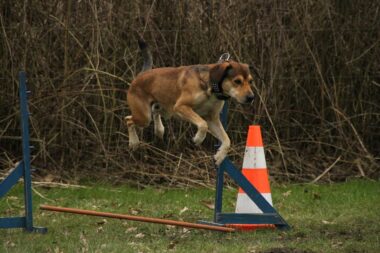
Incorporating positive experiences within group dog exercises creates a solid foundation for building friendships. Foster an environment that prioritizes safety, positive behaviors, and reliable supervision. To promote bonding among pets, owners can utilize group activities that encourage interaction, such as relay races or cooperative games that require teamwork between pairs or small groups. Providing a space for play enhances social bonds, as dogs learn to navigate each other’s personalities during shared activities. Moreover, incorporating elements of agility training exercises allows dogs to engage and challenge each other in an encouraging manner. Agility obstacles can be modified to accommodate all skill levels, ensuring every dog can participate in the fun. Using rewards-based systems reinforces these positive behaviors, as dogs feel good about their interactions. Regular exercise sessions create lasting bonds with peers, making group interaction a rewarding experience. Building relationships can then extend to other settings, ensuring that dogs feel comfortable interacting in various environments. Understanding how to successfully manage group exercises ultimately creates safe spaces for dogs and lasting friendships through impactful shared experiences.
Conclusion and Future Considerations
Providing structured dog exercise sessions plays a fundamental role in promoting physical and social well-being. Owners must remain aware of individual dog needs while facilitating interactions within group exercises. As the importance of safety during these events cannot be overstated, continuous education about canine behavior is also essential. As dogs develop, evolving social behaviors may emerge; therefore, regular evaluations of group dynamics are necessary. Staying informed on best practices can not only facilitate safety but foster an enriching environment for dogs. Additionally, considering diverse types of exercises, including mental challenges, can further enhance engagement and satisfaction. Activities that encourage dogs to problem-solve or use scent can diversify anyone’s routine. Be prepared to adapt and modify exercises based on individual and group responses. Regular assessments of these group exercises will further minimize risks and promote an ongoing enjoyable experience for every participant involved. Furthermore, collaborative efforts involving trainers and shared experiences within your community will support the success of managing dog interactions during group exercises, advocating for well-rounded growth for both the dogs and their enthusiastic owners.
Overall, the experience related to group dog exercises significantly impacts participants. By implementing consistent strategies and fostering positive environments, owners can play an essential role in shaping dogs’ social interactions. This harmonious experience promotes not only socializing among dogs but valuable lessons about teamwork and communication that must extend beyond interactions. Additionally, being mindful of the needs of every dog within a group reinforces the idea of community support among dog owners. Embrace opportunities to share learning experiences, broaden understanding of efficacy during group activities, and support one another for continued success. The relationships formed through group exercises will yield tireless benefits for dogs and owners alike, ensuring a fulfilled connection. By respecting each dog’s temperament and actively listening to their behavioral cues, a deeper understanding of canine needs will emerge. This leads to lasting friendships among four-legged pals, establishing safe social environments that enrich their lives. Engage with local dog communities and promote various activities; by participating, everyone will foster a sense of support and inclusiveness for all. In essence, managing dog interactions during group exercises becomes a shared journey that honors each participant and enhances overall well-being.