
Tips for Grooming Senior Cats with Limited Mobility
Grooming your senior cat is essential, especially as they experience limited mobility due to age-related conditions. Regular grooming helps maintain their coat and skin health, reducing discomfort and preventing matting. The first step in grooming is to create a calm environment. A quiet and comfortable space will help your cat feel safe during the grooming process. Use gentle, soothing voices to reassure them while you work. Consider using low-stress techniques, such as introducing your cat to grooming tools gradually. Allow them to sniff and explore the tools before using them. Choose the right brushes for your cat’s coat type; some require soft brushes, while others may benefit from rubber grooming mitts. Always be gentle to avoid causing pain or distress. When grooming, focus on areas that commonly mat, like behind the ears and under the belly. Ensure you check for any skin irritations or lumps. Finally, remember to reward your cat with treats or praise post-grooming, fostering a positive association with the process as you both enjoy your time together.
One important consideration is the frequency of grooming your senior cat. Depending on their coat type and mobility condition, some may require grooming several times a week, while others can get by with bi-weekly sessions. Long-haired breeds often need more attention to prevent tangles and mats. On the other hand, short-haired cats may require less frequent grooming, but it’s still important to keep an eye on their coat. For cats with limited mobility, try using a grooming harness or a blanket to comfortably position them during grooming. This helps you manage their movements and keeps them secure. If they resist, proceed gently and take breaks when necessary. Keep your sessions short to avoid stressing your senior cat. If your kitty is uncomfortable with grooming, consult your veterinarian for advice on suitable options. They may recommend professional grooming services that specialize in handling senior or special-needs cats. Remember that patience is key! Keeping a routine can also help, as cats often thrive when they know what to expect. Explore various grooming techniques to find what your cat enjoys the most.
Choosing the Right Tools
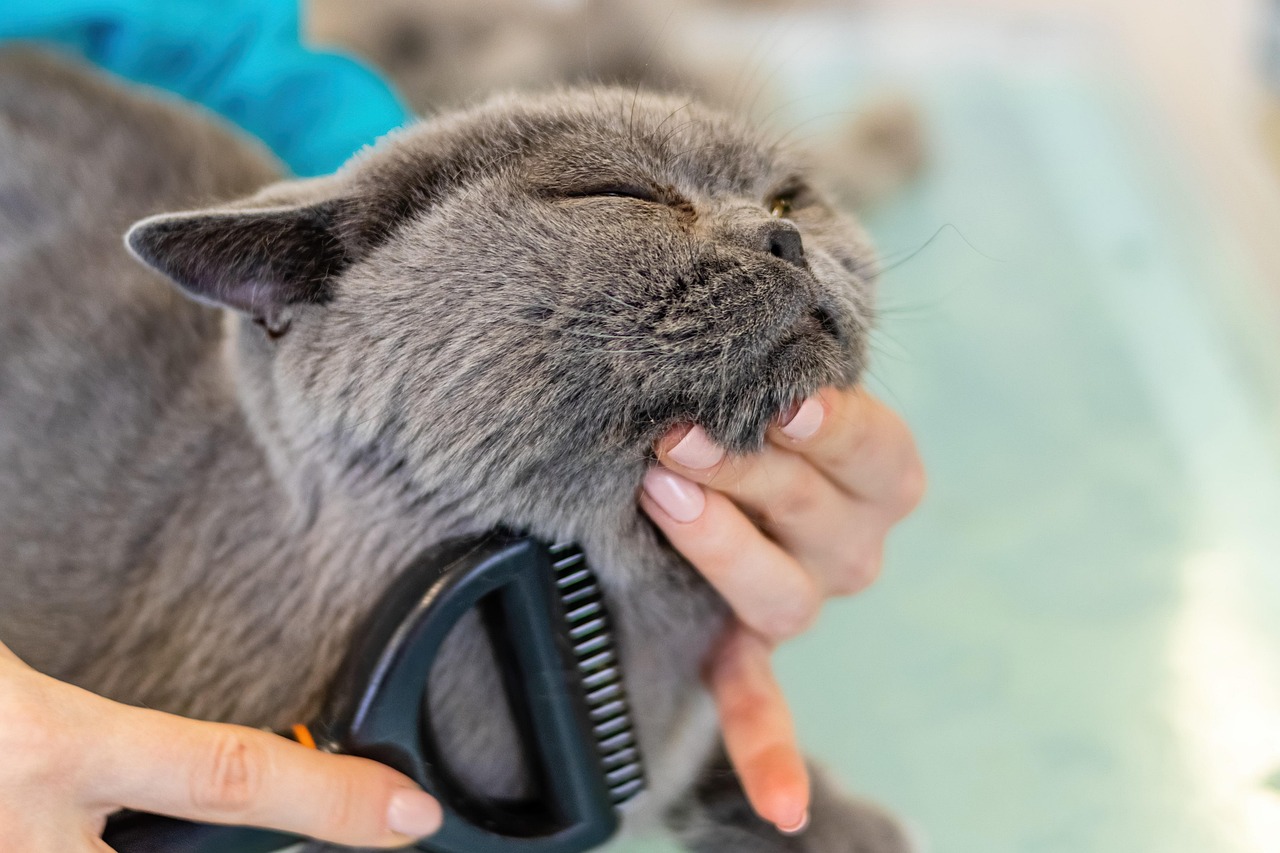
Choosing the right grooming tools is crucial for effective grooming of senior cats with restricted mobility. Look for ergonomic tools designed for easy handling, as they can alleviate strain on your hands. Investing in high-quality, versatile tools is essential. For instance, a good quality brush with soft bristles is ideal for delicate skin. Additionally, rubberized grooming mitts are excellent for stimulating blood circulation while removing loose fur. Scissors with rounded tips are useful for trimming those tricky mats without accidentally cutting your cat’s skin. You can find a range of grooming tools online or at your local pet store. If you’re unsure what to purchase, consult your veterinarian for recommendations tailored to your cat’s needs. When selecting equipment, prioritize comfort; it should not cause any pain or discomfort during use. Proper hygiene is vital too; always clean your tools after every grooming session. Disinfect brushes and combs to prevent the spread of bacteria. The right grooming tools make the experience smoother for both you and your cat, ultimately enhancing the bond you share as you care for your beloved pet.
Another important aspect to consider while grooming your senior cat is the environment in which the grooming takes place. Creating a comfortable space is essential for your cat to feel relaxed during grooming. Select a spot with minimal noise and distractions, ensuring your feline friend remains calm and focused. Soft bedding or a cushioned mat will create a cozy area for your cat to rest during grooming. Additionally, keep all necessary grooming supplies in easy reach to avoid disrupting the grooming flow. Lighting is also critical; ensure the area is well-lit so you can see any mats or irritations on your senior cat’s skin. If your cat requires assistance to reach the grooming area, consider using a pet ramp or stairs. Gradually introduce them to this setup to ensure they feel comfortable and unafraid. If your cat prefers being in higher spaces, use a grooming table that provides a safe area for their height. Overall, a suitable grooming environment will help minimize anxiety and make the experience enjoyable and more productive for both of you.
Handling Skin Conditions
Senior cats are more prone to skin issues, making it crucial to monitor their skin closely during grooming. Common problems include dryness, irritations, and topical parasites. While grooming, gently check for any red areas, bumps, or excessive scratching. If you notice any skin abnormalities, consult your veterinarian for appropriate treatment options. Ensuring your senior cat’s skin remains moisturized is also an important aspect. Using a natural, vet-approved moisturizer can alleviate dryness and promote a healthy coat. Pay special attention to sensitive areas, such as the belly and armpits, which may require extra care. Adapt your grooming routine as needed, focusing on problematic areas more frequently. It may be helpful to use hypoallergenic grooming products specifically designed for sensitive skin. Routine baths can help keep the coat clean but limit the frequency to avoid overdrying their gentle skin. After bathing, ensure your senior cat is thoroughly dried and check for any lingering skin issues. By being proactive in handling skin conditions, you can help maintain your cat’s comfort and enhance their quality of life.
When grooming a senior cat, remember that your pet’s comfort comes first. Be sure to monitor their overall comfort levels throughout the grooming process. Watch for indicators of discomfort, such as vocalizations or fidgeting. If your cat becomes agitated, take a break or stop grooming altogether. It’s essential to remain sensitive to their needs and always adjust your approach based on their responses to the grooming process. Allowing them to dictate the pace will yield a more positive experience for both of you. That said, regular grooming helps catch problems early; it’s wise to gently persist even if your cat shows reluctance. Short, frequent grooming sessions are often better than long, drawn-out ones. With patience and understanding, you may find that your senior cat ultimately enjoys the grooming time you spend together! Positive reinforcement is also key; rewarding your cat after each session with treats, praise, or their favorite toy can strengthen their bond with grooming. This technique encourages a more relaxed response in future grooming sessions, making it a more enjoyable task for both you and your pet.
Seeking Professional Help
If grooming at home proves difficult, do not hesitate to seek professional help. Professional groomers with experience in handling senior cats can make a significant difference. They are trained to work gently with elderly felines, ensuring safety and comfort during grooming sessions. Additionally, they possess specialized tools and techniques that accommodate the unique needs of older cats. Finding a reputable groomer may require some research; ask your veterinarian or fellow cat owners for recommendations in your community. Schedule a consultation to discuss your cat’s specific needs and mobility issues. During this time, you’ll also be able to observe how the groomer interacts with your cat, which is essential for building trust. You can also find mobile grooming services that come to your home, making the process more convenient and less stressful for your senior cat. These groomers can tailor their services to accommodate your cat’s needs and preferences. Ultimately, seeking professional assistance can help manage your senior cat’s grooming while allowing you to focus on the companionship and care they require in their golden years.
In conclusion, grooming senior cats with limited mobility is vital for their well-being. Understanding their unique challenges and adapting to their needs can significantly enhance their comfort and health. Make grooming a positive experience for your feline companion by introducing soothing techniques and appropriate tools, while ensuring a calm environment. Regular checks for skin conditions, along with gentle handling, contribute to a happier grooming routine. Furthermore, being attentive to their needs is crucial; adjust your grooming frequency based on your cat’s coat type and mobility. Emphasizing comfort, patience, and praise will foster a strong connection between you and your senior cat. Most importantly, if at any point grooming becomes too stressful or difficult, consider seeking professional help. Ultimately, your love and care will shine through, allowing your senior cat to age gracefully and comfortably while maintaining their dignity. A well-groomed cat will not only look better but also feel better. Taking the time to invest in your senior cat’s grooming needs is an act of love that enhances both their life quality and your bond. Always cherish the moments spent together during grooming, as they provide a unique opportunity for connection and encouragement.