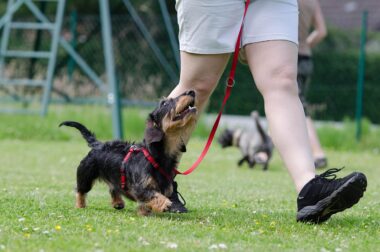

Balancing Playtime and Training: Scheduling Tips for Dog Owners
Creating a balanced schedule for your dog involves integrating training and playtime effectively. This balance is crucial as it fosters a dog’s physical and mental well-being. First, consider your dog’s age, breed, and energy levels when drafting a schedule. Younger dogs may require more frequent engagement, while older ones might prefer more structured and calm activities. You can use a basic daily planner or a pet app to outline activities. Start by allocating dedicated time slots for training sessions. Aim for 10 to 15 minutes for each session at least twice daily. This keeps the dog fresh and engaged without overwhelming them. Following the training, schedule a playtime period, allowing your dog to explore and enjoy themselves, thus reinforcing positive behaviors learned. It’s beneficial to include socialization during playtime, like meeting other dogs or people, which can enhance their adaptability and friendliness. Furthermore, fill your schedule with varied activities, including mental challenges such as puzzle toys or scent games. These keep your dog engaged and can be integrated easily into your daily routine as well.
Establishing a consistent routine is fundamental when planning your dog’s activities. Dogs thrive on predictability; therefore, having a structured daily routine helps in managing their expectations throughout the day. You could start each day the same way, allowing your dog to anticipate their morning walks, meals, and training sessions. For instance, doing training first thing in the morning can help kickstart your dog’s day positively and create a mental connection between early training and pleasant activities. Be sure to follow a consistent format, keeping the same tone and cues during training. Repetition and consistency reinforce learning, making it easier for your dog to comprehend and follow guidance. As a general rule, schedule training sessions and playtime around meal times to bolster your dog’s energy levels and focus. Additionally, it’s wise to include short breaks between activities to prevent overstimulation. If your dog appears restless or hyper, additional playtime or exercise can be beneficial. This way, both training and play complement each other, ensuring that your dog remains happy while they learn.
Incorporating Different Types of Training
Incorporating different types of training into your dog’s routine is essential for well-rounded development. Training does not have to solely consist of obedience commands. Instead, it can extend to tricks and advanced skills, which are engaging and mentally stimulating for your dog. For instance, you might designate certain days of the week for specific types of training, such as agility work, which can mix play with physical training. Consider including fun activities such as fetch with obedience commands in between to blend playtime with learning effectively. This can reinforce commands while stimulating your dog’s innate playfulness. Additionally, considering enlisting the help of a professional trainer for specialized sessions can significantly enhance the learning experience. Group classes are also beneficial, allowing your dog to socialize while learning, providing additional benefits of exposure to other dogs and humans. Always remember to choose training methods that resonate with your dog’s personality, as a mismatched style can lead to frustration. By combining various forms of training, you give them both mental benefits and a chance for continued growth in a fun environment.
Monitoring your dog’s progress through training schedules is just as important as implementing them. Keeping a record of your dog’s performance can help you identify which skills they grasp quickly and those needing further attention. Whether it be through an app or a simple notebook, note taking can provide insights into their behavior. Track the frequency of successful training executions, play sessions, and time spent on each activity. This data will allow you to adjust your schedule whenever necessary, promoting a more efficient routine tailored to your dog’s needs. Celebrate small achievements along the way, reinforcing positive behaviors through treats or verbal praise. This encourages your dog, making them more likely to participate eagerly in future training sessions. It’s essential also to remain observant of any stress signals or fatigue during training, as recognizing when your dog needs a break or a shift in activity is key in refining your schedule further. Using these observations as a guide, adapt your sessions dynamically for continual improvement. A flexible approach shaped by feedback from your dog will contribute greatly to their wellbeing and development.
Balancing Training with Life Activities
Balancing your dog’s training with your own life activities can seem daunting but is quite achievable with some planning. Consider integrating training into your daily tasks; for example, while you cook, teach your dog to follow specific commands that encourage patience. You can utilize downtime moments during your daily routine, which offers excellent opportunities for short training bursts. Keep commands fun and positive, allowing the dog to feel involved as you go about your daily chores. Discovering ways to incorporate effective training while managing life outside dog care is critical for long-term sustainability. Every little practice counts, be it during walks or family gatherings. Invite your dog to perform certain tricks or commands when visitors arrive, enhancing their ability to behave socially. Reward them positively during such instances to reinforce good behavior. Increasing your dog’s confidence through consistent expectations while navigating your life routine also fosters a stronger bond between you two. This way, your dog can learn to thrive within the household while grasping the importance of training and interaction throughout daily occurrences.
Socialization plays a pivotal role in training routines, directly impacting your dog’s ability to learn and adapt. Plan regular interactions with other dogs or people to enhance their comfort levels in various environments. You may visit dog parks, join local pet clubs, or attend community events; these settings serve as fantastic venues for social enhancement. Be mindful of your dog’s reactions during these activities, ensuring they remain calm and feel safe in potentially overwhelming situations. Gradually introduce them to challenging elements or settings, increasing exposure at a comfortable pace. This not only reduces anxiety but reinforces confidence, as your dog learns to navigate different social circumstances effectively. Integrating training within these settings can also serve dual purposes. For instance, using commands learned in structured environments at the park highlights their proficiency when off-leash. Ensure to reward desired behaviors as you refer back to commands during these outings; it solidifies lessons learned while in a social context. This way, both socialization and training intertwine seamlessly, boosting your dog’s experience positively while maintaining progress in their training.
Adapting to Seasonal Changes
As seasons change, adapting your dog’s training and play schedule is vital. Weather conditions significantly affect both indoor and outdoor activities, meaning versatility in routine planning can help keep your dog engaged throughout the year. For example, during warmer months, early morning or late evening walks are preferred to avoid heat-related issues. Plan outdoor activities accordingly, incorporating water play or shaded areas to maintain comfort. Additionally, as cooler months arrive, engaging in more indoor-focused training can become vital. Activities such as obstacle courses or interactive toys enhance their mental stimulation when outdoor play is limited. Great winter activities may include safe hikes or casual outdoor play with dog-friendly snow gear. Adjusting your training tools according to the seasons can also create engagement for your dog. Different toys or treat dispensers can keep your dog intrigued regardless of the time of year. Encourage regular exercise to combat the effects of winter blues seen in dogs, focusing on ensuring they remain active and cherished throughout each diverse season. Being mindful of such changes will create a consistently enriching environment for your pet.
Ultimately, a comprehensive and effective training schedule for your dog promotes a healthier lifestyle for both you and your pet. It’s essential to note that recognizing a dog’s learning preferences plays a crucial role in successful training engagement. With commitment and ingenuity, you can weave together both training and play seamlessly, ensuring your dog is not only well-behaved but also happy. Effective communication through positive reinforcement strengthens your connection with your dog, fostering mutual respect and understanding. Always remember that playtime isn’t merely a break from training; it’s an intricate component of a successful routine. Striking that balance enhances their physical fitness and mental stimulation, ultimately contributing to better behavior overall. Allow flexibility within the schedule, catering to your dog’s evolving needs. As you observe changes in energy levels or behavior, consider altering the routines to prevent monotony. Regularly updating training targets and introducing fresh play activities can keep your dog enthused and responsive. Embrace the joy of this journey; the bond developed through shared activities enriches both your lives, creating lasting memories while achieving training goals together.