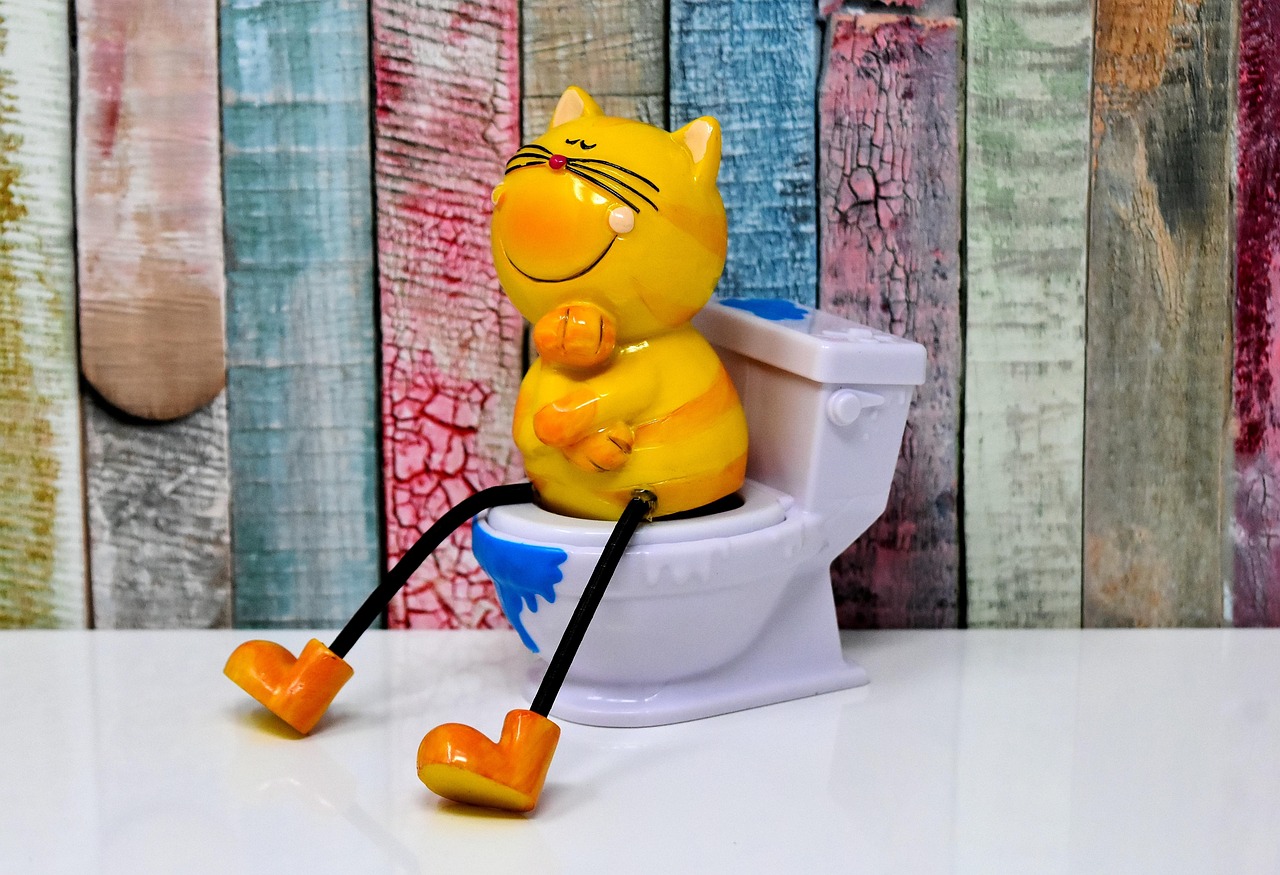

Behavioral Problems: Why Your Cat Hates the Litter Box
Understanding your feline friend’s aversion to the litter box can be quite complex. Often, cats seem to have sophisticated demands regarding their bathroom arrangements. Issues may arise from an unsatisfactory litter type, an untidy box, or even its location. If you’re facing litter box problems, a deep understanding of your cat’s perspective can help you move towards solutions. Some cats prefer clumping litter, while others favor non-clumping varieties. Likewise, certain fragrances may be unpleasant to them, causing them to reject the litter entirely. Moreover, a dirty litter box is a deal-breaker. Cats are naturally inclined to avoid areas that smell or appear unsanitary. You might wonder if your cat is just being difficult, but their behavior often stems from instinct and comfort needs. Additionally, the environment surrounding the litter box must be calming. If your furry friend feels threatened, it is likely to avoid that space altogether. Understanding these factors can be the key to restoring harmony and encouraging proper bathroom habits in your cat. Addressing their litter box aversion should be your top priority if you notice unusual elimination behaviors.
One common reason why cats dislike the litter box is the type of litter used. Cats have individual preferences for texture and smell, which can affect their willingness to use the box. The choices can be overwhelming: clay, clumping, crystalline, and natural litters each have distinct qualities. Additionally, remember that some cats might have sensitivities to scents in certain products. Naturally, scented litters can deter cats from using them due to overwhelming odors. It’s critical to experiment with various litter types, as what works for one cat may not work for another. Furthermore, the depth of the litter can also impact their comfort; cats often prefer a depth where they can easily bury their waste. Always monitor your cat’s behavior after making changes to the litter. Pay attention to whether they seem less stressed around their litter box. Maintaining a dialogue about litter preferences with your vet may also help determine optimal choices. Over time, observing these behaviors can lead you on a path to identifying the ideal litter for your cat, ensuring they are more likely to consider the litter box a safe and inviting place.
Environmental Factors Influencing Litter Box Use
The surrounding environment where the litter box is located plays a pivotal role in the cat’s decision to use it. A chaotic or noisy area can deter your pet from approaching the box, thereby leading to accidents around your home. Cats are inherently cautious creatures and prefer locations that offer a sense of security and privacy. Avoid placing the litter box in high-traffic areas, near loud appliances, or where other pets may pose a threat. Ideally, the litter box should be in a quiet, unobtrusive area. If you have multiple pets, providing separate litter boxes may alleviate stress. Additionally, tall boxes may provide a sense of enclosure that some cats find comforting, while others may prefer open designs. Keeping the litter box in a clean and accessible location will encourage regular use. Consequently, moving the box might be needed if it was initially placed in an unsuitable area. Observe your cat’s habits around the litter box; integrating their feedback is essential. The goal is to create an environment that seamlessly caters to their bathroom needs while ensuring they feel safe and comfortable in their own home.
Medical issues can also contribute to your cat’s aversion to the litter box. Various health problems like urinary tract infections or gastrointestinal distress may cause discomfort during elimination. If you notice signs such as frequent attempts to eliminate without success, or blood in the urine, it’s vital to consult your veterinarian promptly. Addressing health concerns should take precedence, as they can lead to long-term behavioral changes. If your cat associates pain with using the litter box, chances are they will start avoiding it altogether. It’s essential to rule out any medical factors contributing to their reluctance to use the box. A veterinary examination can often unveil underlying problems that require treatment, thus alleviating your cat’s discomfort. Additionally, stressors such as changes in household dynamics can further exacerbate medical issues. Pay close attention to your cat’s behavior, especially during transitions. Through regular check-ups, you can ensure your feline remains in good health. Remember that promptness in addressing medical problems can facilitate quicker recovery, thereby encouraging favorable usage of the litter box over time.
Cleaning and Maintenance Considerations
Ensuring that the litter box is clean and well-maintained is crucial to encouraging your cat’s positive association with it. A clean environment coupled with regular maintenance is a fundamental requirement for feline hygiene. Cats are naturally fastidious animals and often refuse to use a litter box that smells or appears dirty. To maintain cleanliness, it is advisable to scoop the box daily and change the litter completely on a weekly basis. This not only keeps the box odor-free but also creates a welcoming atmosphere for your cat. Additionally, consider washing the litter box itself with warm, soapy water during litter changes to eliminate lingering odors. The material of your litter box also needs consideration; some can retain smells longer than others. It’s important to monitor your cat’s behavior continually as cleanliness will make a significant difference. If you notice your cat pawing at or avoiding the litter box, it may be time to reassess your cleaning strategies. Regular cleaning habits not only encourage your cat to use the box but will also foster a more pleasant environment for both you and your feline.
Sometimes, the design of the litter box can significantly influence your cat’s comfort. High-sided boxes may suit some cats, particularly those who like to dig, while others may prefer low-sided options that are easier to access. Ensure that the box reflects your cat’s size and physical characteristics; a very small box can easily make them feel cramped. Open-topped boxes can offer more ventilation but may expose your cat to unwanted attention. Experimentation is essential, as well-designed boxes can make even reluctant cats more willing to use them. Additionally, some cats may require more than one litter box in different locations to feel secure. Offering multiple boxes encourages flexibility and choice, potentially reducing litter aversion altogether. It is often recommended to have one litter box per cat, plus one additional one, to accommodate their needs adequately. Monitoring your cat’s responses as you test various designs can enlighten you to their likes and dislikes. Ultimately, thoughtful consideration of litter box design can significantly impact your cat’s willingness to use it.
Behavioral Solutions to Litter Box Aversion
If your cat continues to avoid the litter box, consider behavioral modifications that may alleviate this issue. Establishing a consistent routine can help your cat feel more secure about using the box. You might try feeding your cat before letting them access their litter box to create a behavioral link between eating and elimination. Over time, your cat may develop a habit of using the box consistently after meals. Additionally, rewarding positive interactions with the litter box can reinforce good behavior. If your cat utilizes the litter box successfully, providing a treat as a reward can create positive associations with it. Environmental enrichment plays an equally significant role, as a bored cat may seek alternative spots for elimination. Create a stimulating environment with toys or climbing spaces to keep them engaged. Furthermore, avoid punishment for accidents, as this can exacerbate stress and worsen the litter box issues. Building a positive connection with the litter box through patience and encouragement can often yield improvements. Understanding your individual cat’s behavior is crucial to addressing their problems and ensuring they feel safe using their box.
Finally, it’s essential to remember that resolving litter box aversion may take ample time and patience. Identifying the root causes can lead to tailored solutions, allowing your cat to regain a sense of comfort. Regularly checking in with your cat’s behaviors will facilitate further understanding and adjustments needed. Engaging a veterinarian or pet behaviorist can also provide expert insights to help you make informed decisions regarding their practices. Additionally, don’t hesitate to reach out to cat owner communities for tips and shared experiences. Support networks can be invaluable sources of knowledge and encouragement during this journey. Hence, strengthening your bond with your cat in this process is vital. Be observant, tuning into their unique needs, and addressing them as they arise. Whether through trial and error or professional advice, the focus should be on making the litter box a safe and welcoming area. Remember that your cat’s well-being relies on how they feel inside their environment and their perception of their toilet area. By providing the right conditions, love, and encouragement, you can significantly decrease their aversion and enhance their overall wellness.