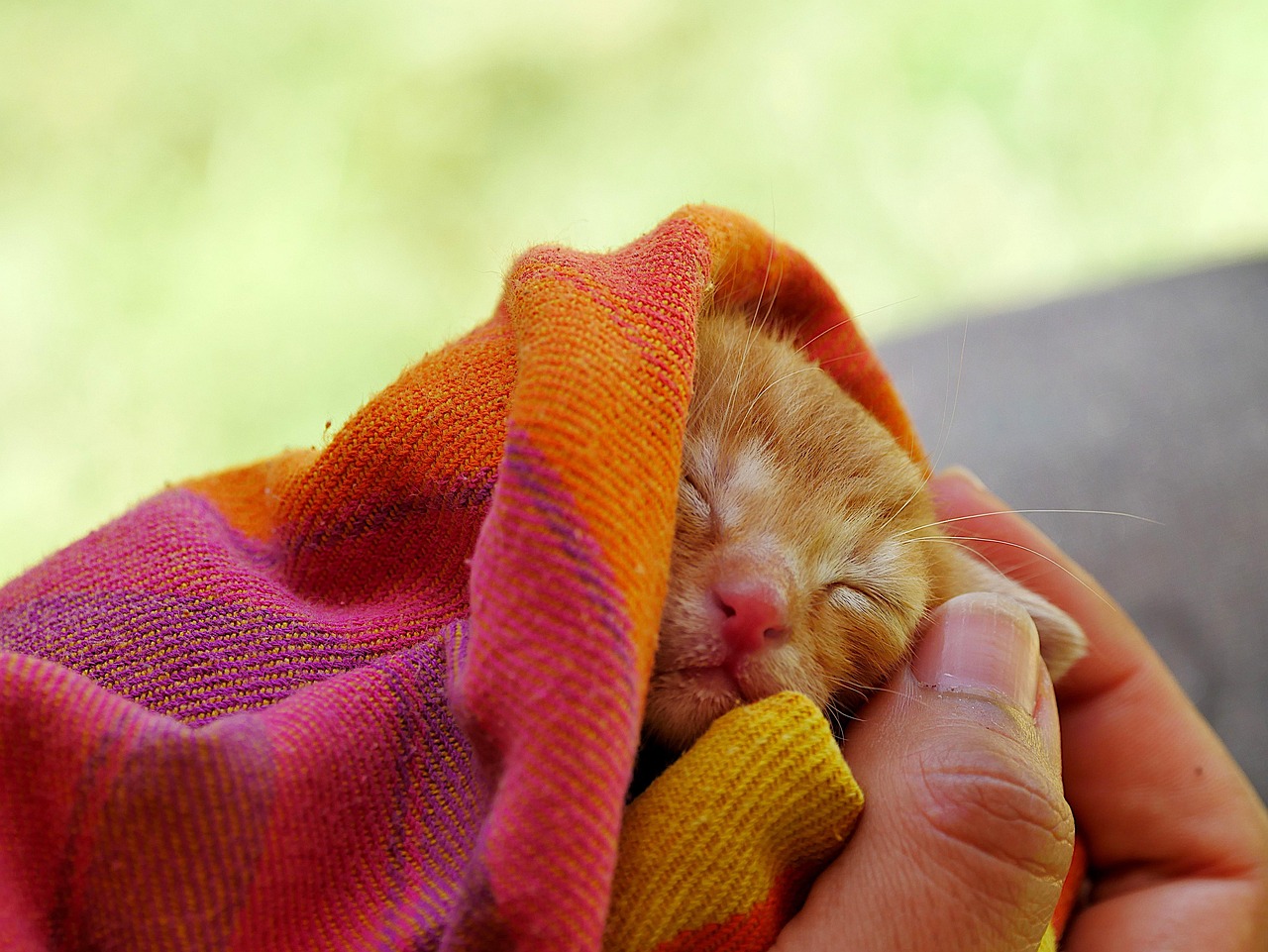

Feeding Orphaned Kittens: Special Nutritional Considerations
Feeding orphaned kittens requires extra care and attention to their specific nutritional needs. These vulnerable felines need appropriate nutrition to thrive and grow. The primary goal is to mimic the nutrients they would receive from their mother’s milk. Start with a high-quality kitten formula designed for young cats. Avoid using cow’s milk, as it can lead to digestive issues. Kittens should be fed small amounts frequently—about every two to three hours for very young ones—as their stomachs are small but can handle multiple feedings each day. Gradually introduce a transition to wet food as they grow, typically around four weeks of age. Wet food supports hydration and helps ease the transition as they prepare for solid food. For older kittens, ensure the food is rich in proteins and fats, essential for their development. Vitamin supplementation may also be advised, depending on the specific nutritional profile of the kitten food. Always consult a veterinarian to create a tailored approach that meets the kittens’ unique needs. With diligent care, orphaned kittens can flourish into happy and healthy cats.
Besides choosing the right food, it is crucial to ensure the feeding technique is appropriate when feeding orphaned kittens. Kittens will often require assistance to develop their feeding skills. If using a bottle, ensure the nipple allows for a slow, controlled flow; symptoms of too much milk flow include gagging or aspiration. Instead of rushing the feeding, allowing the kitten to suckle naturally reduces stress. Feeding can also be done with a syringe if necessary, but take care to keep the kitten in a comfortable position. Kittens should be held in a vertical position, similar to how they would nurse from their mother. After feeding, gently stimulate each kitten’s bottom with a warm, damp cloth to encourage them to eliminate. This mimics the mother’s grooming behavior, which is vital for hygiene. Also, keep the feeding area calm and quiet to minimize distractions during meal times. Lastly, observe the kitten’s weight closely; healthy weight gain is a positive indicator. If at any point you notice anything unusual, don’t hesitate to contact a veterinarian for guidance about the kittens’ ongoing health and nutrition.
Hydration for Kittens
Hydration is a critical aspect of feeding orphaned kittens as well. Young kittens often do not drink water, as they obtain the necessary fluids from their mother’s milk. Therefore, ensuring they are adequately hydrated is essential for their overall health. When transitioning to solid food, make sure to provide fresh water at all times to promote hydration. Kittens may not drink enough at first, so it’s a good idea to get them used to the presence of water by placing them near a shallow water dish. Some kittens respond well to drinking water from a dish, while others may prefer a fountain that keeps the water moving. To encourage hydration, you can also moisten their dry food with water or kitten formula. This not only makes it easier to chew but also contributes to their water intake. Monitor each kitten’s hydration by observing their energy levels, skin elasticity, and urine output. If you notice any signs of dehydration, such as lethargy, dry gums, or sunken eyes, consult your veterinarian for appropriate interventions and solutions.
Nutrition can significantly impact the growth and behavior of orphaned kittens, and it is essential to choose appropriate food tailored for their age and developmental stage. As kittens grow, their dietary needs will change. Initially, they should consume optimum protein and fat levels that foster proper brain and muscle development. Foods with high meat content deliver the necessary amino acids essential for their growing bodies. Look for kitten formulas that include DHA, which supports healthy brain growth and overall cognitive functions. As they approach the age of eight weeks, kittens can start exploring more solid food options. Transitioning to a dry kitten food with balanced nutrients becomes important during this stage. Always introduce new foods gradually to prevent digestive disturbances. Monitoring their stool health can indicate how well they are adjusting to dietary changes. A proper diet not only supports physical health but can also impact their behavior positively. Active and well-nourished kittens tend to develop into happier adults and are more likely to adapt well to their new homes once they are ready for adoption.
Feeding Techniques for Orphaned Kittens
When properly caring for orphaned kittens, employing the right feeding techniques drastically enhances their chances of thriving. It is vital to establish a routine, feeding the kittens at consistent intervals, which helps them feel secure. When choosing feeding bottles or syringes, use those specifically designed for kittens, as they allow controlled delivery of food. Slowly introduce them to the nipple or syringe, ensuring they grasp it correctly. Observing how a kitten responds will help determine if adjustments are needed. If they struggle to drink, check for any blockages that may impede their feeding. Pay attention as each kitten has individual feeding preferences, so be adaptable in your approach. After feeding, provide a warm sleeping area, simulating a litter’s communal nest. Regularly clean feeding equipment to prevent any bacterial growth. Tracking each kitten’s feeding habits can reveal crucial data about their health and development. Record their weight weekly to ensure they are gaining steadily. Ultimately, establishing a strong foundation early on will pave the way for a bright and healthy future.
When caring for orphaned kittens, making specific dietary adjustments can vastly improve their health. If kittens require extra nourishment, consider incorporating heat-treated baby cereal or specific kitten supplements that promote growth. Diligently monitor their responses to such additions, as some may face digestive challenges. Always evaluate any reactions carefully; sudden changes in their bowel movements may indicate sensitivity to new foods. Moreover, as they grow, consider transitioning to a varied diet, including protein sources from chicken, beef, or fish. Homemade meals can also be beneficial, provided that they contain the necessary nutrients and are safe for cat consumption. Avoid onion, garlic, and any toxic substances. As they grow into adolescence, continue to introduce different textures in their food, as this encourages them to explore and enhances their food preferences. Offering a range of flavors will aid in developing a healthy appetite and decreasing fussy eating habits later on. Consult your veterinarian for meal plans tailored to individual kittens’ needs based on their specific ages and developmental phases for excellent results.
Long-term Health Considerations
Transitioning orphaned kittens to adulthood involves considerations for their long-term health. Assessing their overall health is essential every step of the way. Regular veterinary check-ups become indispensable in monitoring proper growth and catching potential nutritional deficiencies. Kittens may require vaccinations, deworming treatments, and spay or neuter surgeries, which are crucial elements in their future health care plans. Proper nutrition during kittenhood inevitably sets the stage for their adult health; therefore, continuing a balanced diet throughout their lives is critical. Quality adult cat food formulated for their particular life stage should meet increased demand as they mature. Additionally, watch for any changes in their coat, energy levels, and behavior, as these may indicate adjustments in dietary needs. An active lifestyle accompanied by a consistent, nutritious diet minimizes many health issues that could arise later. Encourage a routine that includes regular playtime and interactive activities. Always prioritize creating a suitable environment that promotes physical, mental, and emotional well-being. Through these strategies, rescued kittens can develop into robust adult cats and thrive in their forever homes.
Ultimately, feeding and nutrition for orphaned kittens is an evolving challenge that demands attentiveness and commitment. Each kitten has unique requirements; therefore, successes hinge on individual care approaches. Establish a schedule that aligns with their needs, incorporates routine assessments, and makes informed decisions on nutrition. This dedication will not only enhance their chances of survival but also improve their life quality. Seek resources in communities dedicated to animal welfare and other cat rescue organizations, as these consist of invaluable insights on dietary recommendations. Online forums and articles, alongside books focusing on feline nutrition, can broaden your understanding. Additionally, always keep lines of communication open with local veterinarians for tailored guidance. You can become a hero for orphaned kittens by ensuring they receive the best possible care throughout a critical stage of development. Understanding the challenges involved motivates ongoing commitment to their well-being. Happy, healthy kittens ultimately lead to happy, healthy adult cats, paving the way for happy families and loving dedicated pet owners. With proper nutrition and care, these kittens will realize their full potential and bring joy to many lives ahead.