
Feline Panleukopenia Vaccine: Essential Protection for Cats
Cats are beloved pets and deserve the best care, including proper vaccinations. Among these, the Feline Panleukopenia Vaccine is crucial. Panleukopenia, caused by the feline parvovirus, is a serious and sometimes fatal illness. It affects kittens and unvaccinated adult cats, often leading to severe vomiting, diarrhea, and dehydration. Vaccination helps prevent this disease. The vaccine is typically given to kittens as early as six to eight weeks of age. It is essential for kittens to receive their full vaccination series to establish immunity. The vaccine is often combined with other core vaccines that protect against diseases such as feline herpesvirus and calicivirus. Veterinarians recommend a series of initial vaccinations, followed by booster shots to maintain immunity. This immune protection is vital for both indoor and outdoor cats. Furthermore, regularly scheduled veterinarian visits are necessary to monitor the cat’s health and vaccination status. By vaccinating your cat against panleukopenia, you contribute to their overall health and longevity. Protecting your feline companion means taking proactive steps against diseases that threaten their life. Always consult your veterinarian for tailored vaccination guidelines.
Panleukopenia in cats is a highly contagious viral disease caused by feline parvovirus. The symptoms can be severe and may include lethargy, loss of appetite, fever, vomiting, and diarrhea. It primarily affects rapidly dividing cells, leading to significant drops in white blood cells, hence the name. Cats can contract the virus through direct contact with infected cats or indirectly through contaminated environments, food, or even by humans who have been in contact with an infected cat. The virus can survive in the environment for a long time, making it essential to vaccinate even indoor cats. Unvaccinated kittens are particularly vulnerable due to their developing immune systems. Prompt veterinary care is crucial if a cat exhibits symptoms. Treatment often includes intravenous fluids and supportive care, as there is no specific antiviral treatment available for panleukopenia. Vaccination is essential for prevention, and it is one of the core vaccines recommended by veterinary professionals worldwide. Responsible pet ownership includes recognizing the importance of this vaccine and following through with vaccination schedules, ultimately safeguarding the health of your beloved feline friend.
The Importance of Vaccination
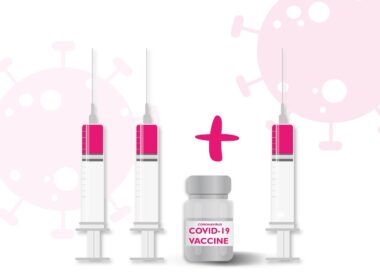
Vaccination against feline diseases is vital for maintaining the health of our feline companions. Vaccines stimulate the cat’s immune system, allowing it to recognize and fight specific viruses or bacteria. By vaccinating your cat, you ensure that it has the best defense against diseases that can lead to serious health issues or even death. The Feline Panleukopenia Vaccine is one such protective measure that provides immunity against a highly contagious illness. The vaccine works by introducing a harmless part of the virus into the cat’s body, prompting an immune response without causing the disease. This immune memory ensures that if the cat is exposed to the actual virus, its immune system can respond quickly and effectively. Vaccination not only protects the individual cat but also assists in controlling the spread of disease within the cat population. Vaccinated cats are less likely to contract and transmit infections, contributing to a healthier community of pets. Delaying or neglecting vaccinations can compromise your cat’s ability to combat infections, leading to increased susceptibility to various diseases, including panleukopenia.
Consulting with your veterinarian is crucial in determining the appropriate vaccination schedule for your cat. Guidelines suggest kittens receive their first dose of the Feline Panleukopenia Vaccine at six to eight weeks of age, followed by additional doses every three to four weeks until they are 16 to 20 weeks old. After the initial series, adult cats should receive booster vaccinations every three years, but this may vary depending on risk factors. Cats that frequently interact with other animals, go to boarding facilities, or live in high-density environments may require more frequent vaccinations. Keeping accurate veterinary records of your cat’s vaccination history is essential for monitoring its health and ensuring it is adequately protected. Your veterinarian can also discuss any concerns you may have regarding vaccination, as well as address misconceptions surrounding vaccines. Many pet owners worry about vaccine reactions, but these are typically rare and manageable. The benefits of vaccination far outweigh the risks when it comes to protecting your cat from serious illnesses like panleukopenia. Staying informed fosters a proactive approach to your cat’s health and well-being.
Common Myths about Cat Vaccinations
Vaccination is often surrounded by misconceptions and myths that can deter pet owners from protecting their cats. One common myth is that indoor cats do not need vaccines. While it may seem logical, indoor cats can still be at risk for diseases, as viruses can be carried in on shoes or clothing. The Feline Panleukopenia Vaccine is essential for all cats, regardless of their lifestyle. Another misconception is that vaccines cause severe side effects or illness in cats. It’s important to understand that, like any medical intervention, there is a small risk of adverse reactions, but they are generally mild and short-lived. Most cats tolerate vaccines very well. Additionally, some owners believe that once a cat has been vaccinated, they will be protected for life. While vaccines do provide long-lasting immunity, periodic booster shots are essential to maintain that protection. Cat owners should consult their veterinarians for guidance and facts regarding vaccinations. Educating oneself can help eliminate these myths and foster a better understanding of the available vaccines and their critical role in cat health.
Responsibility in pet ownership extends far beyond basic needs; it encompasses understanding and implementing comprehensive healthcare measures. Vaccination plays a key role in that responsibility. Every cat owner should ensure that their pets receive timely and appropriate vaccinations. Failure to vaccinate can lead to outbreaks of infectious diseases, which endanger not only individual cats but also broader feline populations. Vaccines like the Feline Panleukopenia Vaccine serve as a line of defense against potential health crises. Owners must prioritize regular veterinary check-ups, where vaccinations are discussed and updated. This can help detect any health concerns early on and establish a long-term health plan tailored to the individual cat’s needs. Being proactive about vaccinations creates a lasting legacy of health and well-being for cats throughout their lives. By working closely with veterinarians, pet owners can formulate an effective vaccination strategy that considers the cat’s lifestyle, risk exposure, and general health. Being informed and engaged with the veterinarian can lead to a happier, healthier feline companion and provide peace of mind to owners.
Conclusion
In conclusion, the Feline Panleukopenia Vaccine is an essential aspect of feline health care that every cat owner should recognize. Vaccination not only protects individual cats from a potentially deadly disease but also contributes to the health of the broader feline community. In light of the serious implications of feline panleukopenia, prioritizing this vaccine is crucial for all pet owners. Vaccines are a cost-effective and proactive measure against disease, emphasizing the importance of preventive care. Staying informed about vaccines, understanding their efficacy, and keeping up with vaccination schedules can make a significant difference in a cat’s quality of life. Building a healthy environment for cats enables them to thrive and fosters long-term companionship with their owners. Regular veterinary visits are key in monitoring your cat’s health and vaccination status. With proper care and timely vaccination, we ensure our beloved cats remain happy, healthy, and protected. Through recognizing and acting on these insights, we can pave the way for a healthier future for our furry friends. Always consult professional veterinary advice for tailored recommendations regarding your cat’s vaccinations.
Vaccination is crucial in reducing the risk of Feline Panleukopenia, and responsible pet ownership promotes the well-being of cats everywhere.