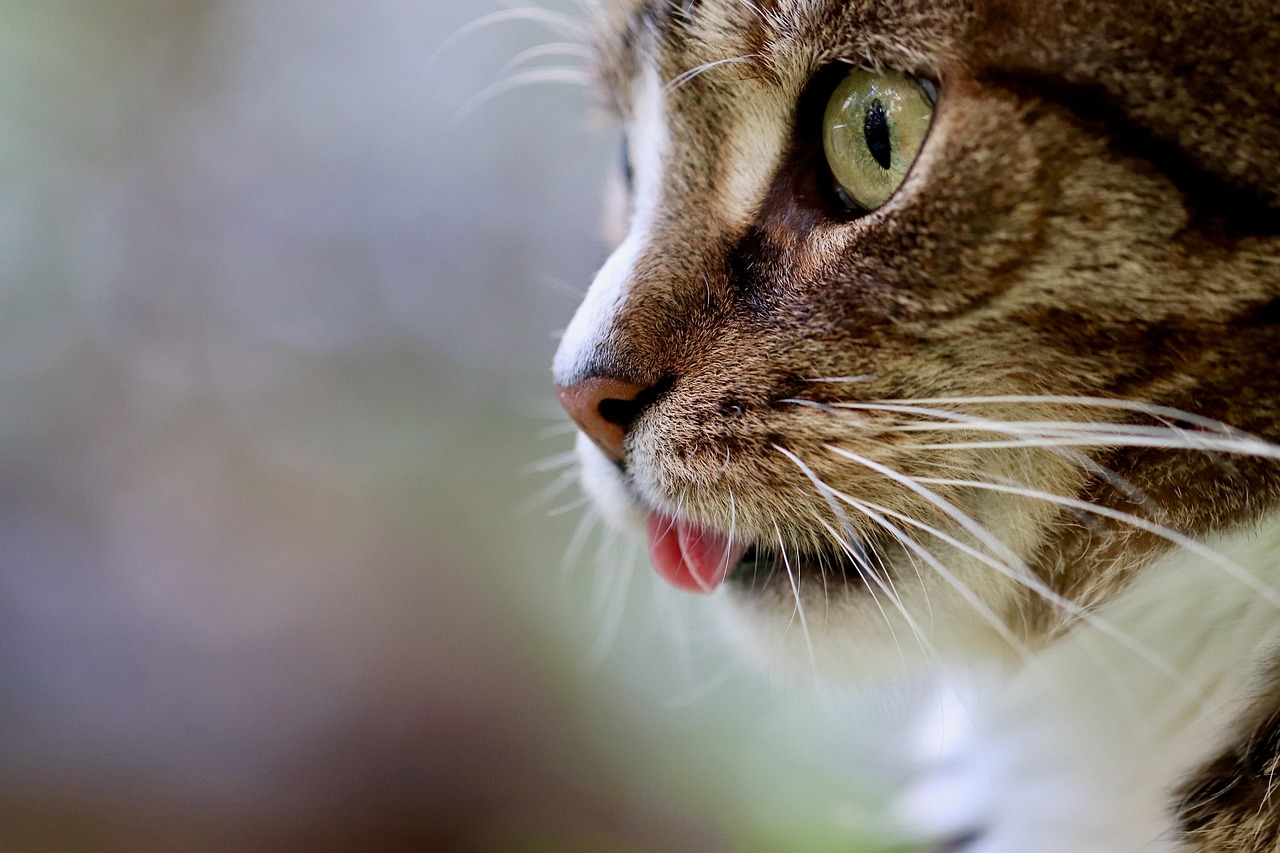

How to Use Positive Reinforcement to Reduce Cat Biting
Training your cat to stop biting can be a challenging yet rewarding process. Most cats bite due to fear, playfulness, or overstimulation. Understanding the reasons behind your cat’s biting behavior is crucial in addressing the issue effectively. Positive reinforcement is an effective approach that enhances desirable behavior by rewarding your cat for good actions, focusing on what they should do instead of what they should stop. Rewards can include treats, gentle praise, or petting. Start by identifying the moments when your cat is most likely to bite. By anticipating these situations, you can redirect your cat’s behavior before they become aggressive. For example, if your cat bites while playing, provide alternative toys to engage their energy. Remain calm and avoid harsh punishment, as this may increase anxiety or aggression in your cat. Instead, choose to calmly remove yourself from the situation, giving your cat time to relax. Consistency is key in reinforcing good behavior. Ensure all members of your household are on board with this training method for maximum effectiveness and to create a nurturing environment for your beloved feline friend.
Make sure to monitor your cat’s body language closely when interacting. Signs of agitation, such as flattened ears or dilated pupils, indicate a cat’s discomfort. When you notice these signals, calmly redirect your cat to a toy or engage them in a playful activity. This strategy can distract them from biting. Always keep their toys accessible so that redirection can occur seamlessly. In addition, invest in various toys to cater to your cat’s preferences. Different textures and shapes can stimulate their interest. Toys that mimic prey, like feather wands or laser pointers, can encourage play without the risk of biting. Ensure your cat has a range of options, keeping them engaged and mentally stimulated. It’s also essential to have dedicated playtime to build trust and strengthen your bond. Try to incorporate at least 15 to 30 minutes of active play into your daily routine. This engagement can satisfy their hunting instincts and reduce frustration that can lead to biting. Lastly, remember rewarding encourages positive behaviors, reinforcing what you want your cat to learn.
Setting Boundaries with a Firm No
While positive reinforcement is crucial, establishing boundaries is equally important in training a cat. When your cat bites, respond immediately with a firm “no” and disengage from playtime. This method provides a clear consequence for biting behavior. It’s essential to maintain a calm demeanor while doing so. A loud or aggressive response may scare your cat, creating a fear-based reaction instead of addressing the biting behavior. After you disengage, allow your cat a moment to calm down before attempting to engage again. This reinforces that biting leads to the end of fun interactions. Always follow up with positive reinforcement when your cat redirects their energy positively after a biting incident. For example, if they play nicely after a biting episode, provide praise or a treat. Over time, your cat will learn that gentle play is rewarded, while biting leads to no interaction at all. Patience is vital; some cats may take longer than others to adapt to these new boundaries. Celebrate small victories, as behavior modification takes time and persistence to achieve significant results.
Another effective technique involves teaching your cat to associate their biting behavior with an unpleasant experience, but without causing harm. Use a deterrent spray, such as a citrus scent or a pet-safe spray, when your cat bites. Cats generally dislike citrus smells; this association helps them understand that biting leads to unpleasant outcomes. Apply the deterrent spray to your hands before playing with your cat. When they bite, they associate the action with the unpleasant scent. Over time, they will learn not to bite. However, ensure this is coupled with plenty of rewarding for positive interactions. Combining enjoyable and unpleasant associations allows your cat to learn the expectations of acceptable behavior more effectively. Additionally, when your cat is biting during play, redirect their focus towards a preferred toy. This makes playtime enjoyable for them without including biting. Keep practicing this method consistently; with patience, your cat will gradually understand that toys are for biting, while hands are not. The goal is to create a tranquil environment devoid of aggression, fostering not only proper behavior but also a loving bond between you and your feline companion.
Recognizing Overstimulation
Overstimulation is a common reason cats may resort to biting. Cats can become overstimulated by excessive petting or excitement, leading to a sudden bite. It’s crucial to recognize when your cat is starting to feel overwhelmed. Signs of overstimulation include twitching tails, pinned ears, and dilating pupils. If you notice these signs during play or petting, it’s important to give your cat some space to regroup. Establishing a safe space in your home where your cat can retreat can be beneficial. A cozy bed or a perching point away from foot traffic allows for recharging. Create a routine with ample time for solitary relaxation, helping your cat manage their energy positively. Incorporate short play sessions followed by downtime to avoid overstimulation. During interactive play, ensure the intensity is moderated so that your cat remains engaged without becoming agitated. When your cat begins to show signs of becoming too excited, reduce the stimulation immediately. Redirecting their energy towards toys or designated areas can reduce the likelihood of biting and help maintain a harmonious atmosphere in your home.
Consistency in training is paramount. Ensure that all family members understand the importance of applying the same techniques, as mixed messages can confuse your cat. Everyone should reinforce the desired behaviors and discourage biting consistently. Providing clear guidelines fosters a stable learning environment for your feline friend. If one person allows biting during play while another responds with a firm “no,” your cat may become confused, slowing their learning process. Consider setting up a family training session, ensuring everyone is on the same page regarding the commands and signals used. This unified approach reinforces a structure that helps your cat understand what behaviors are acceptable. Regularly reviewing these techniques keeps the training fresh and effective. Additionally, take the time to observe and interact with your cat, paying attention to their preferences and personality traits. Building a strong relationship with your cat can prevent adverse behaviors and create a loving environment. Remember, your cat looks to you for guidance, and establishing a clear expectation will help eliminate confusion in their training.
Conclusion: Building a Strong Bond
Reducing cat biting through positive reinforcement requires commitment, understanding, and consistency. Over time, employing these techniques can transform your cat’s behavior, creating a warm and respectful relationship built on trust. Training not only focuses on correcting undesirable behavior but also emphasizes understanding your cat’s emotions, habits, and needs. Develop patience as they navigate this learning process. Celebrating all accomplishments, regardless of size, boosts your cat’s confidence and reinforces the bond you are building together. With dedication, your cat can learn appropriate play behavior. Revisit techniques regularly to adapt with their changing moods and energy levels. Remember that every cat is unique and may respond differently to each training method. Document your cat’s progress and cherish the journey you share, for it strengthens your bond. As you train your cat, you also nurture an empathetic understanding of their personalities. Ultimately, fostering this connection lays the foundation for a peaceful cohabitation, where your loved one learns to express affection without resorting to biting. Continue nurturing this relationship through love, care, and plenty of playful interactions to nurture a joyful and harmonious environment for you both.
Tips for Training Cats to Stop Biting!