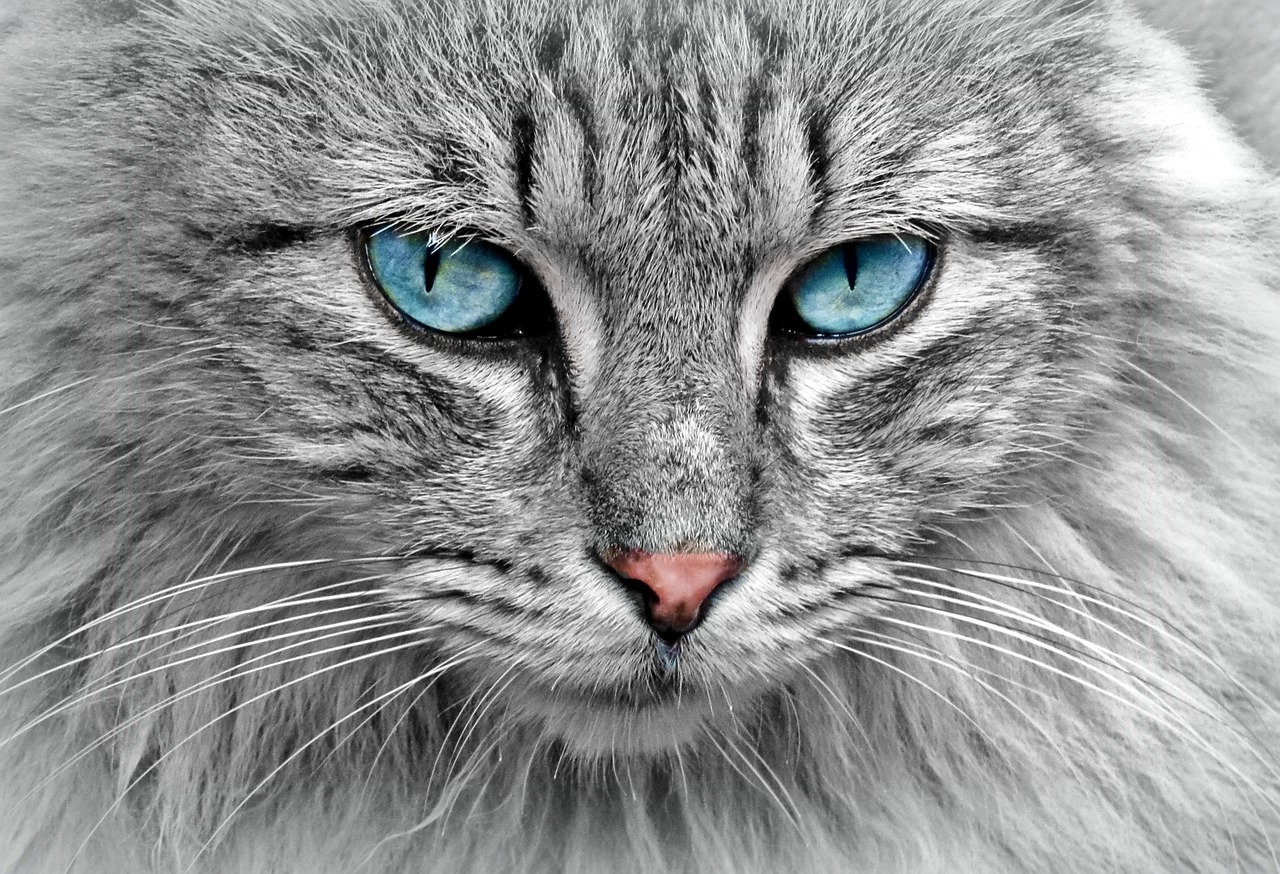

Manx Cat Personality: What to Expect
The Manx cat is a unique breed with a distinct personality that captivates many lovers of felines. Known for their taillessness, they showcase a fascinating mix of playful energy and relaxed demeanor. These cats are generally affectionate and form strong bonds with their families. They often follow their owners around, demonstrating their deep loyalty and love. Manx cats are intelligent creatures. They can be easily trained to perform tricks or respond to commands, adding a layer of interaction that many owners enjoy. Their playful nature ensures that they remain active, keeping both themselves and their owners entertained. They often enjoy playing with toys or engaging in playtime with their humans. Their skillfulness can lead them to be more social than some other breeds, thriving in environments that allow for interaction. Having a Manx means enjoying an active companion that brings joy to any household. However, being a unique breed means they need proper handling, as their personalities can vary. Understanding their traits is key to providing the best environment for them.
One of the most notable characteristics of Manx cats is their adaptability. This adaptability makes them suitable for various living situations, whether urban apartments or rural homes. They blend well into households with children or other pets, displaying a highly sociable nature. Moreover, they possess a sense of curiosity that keeps them engaged with their surroundings. This inquisitiveness often leads them to explore new spaces, which can create charming situations for you to observe. Socialization from an early age is essential, as it helps them develop their friendly disposition. Manx cats often enjoy interactive play, thus requiring regular mental and physical stimulation. Engaging them with various activities such as fetching or puzzle toys is crucial. These practices help alleviate boredom and ensure a content feline friend. The robust nature of the Manx breed means they are generally healthy, but they are also subject to a few hereditary conditions. As a responsible owner, being aware of these potential issues allows you to provide the best care possible, focusing on maintaining their health and vitality in the long run.
Another fascinating trait of the Manx cat is its varying personality types. While many are known for their gentle demeanor, others can be more assertive and independent. This range of personalities makes understanding your specific cat imperative for positive interactions. Observing their preferences and tendencies can help cater to their unique needs. Some might prefer lounging around, while others are more inclined toward being active and playful. Allowing them choices in their activities can drastically enhance their happiness levels. Furthermore, Manx cats are known for being somewhat vocal when they feel the need for attention. Their soft chirps and purrs convey their desires and can be quite adorable. It’s crucial to pay attention to these cues and respond accordingly, fostering a strong communication bond. Training sessions also benefit from this vocalization, allowing you to build a relationship based on trust and understanding. Incorporating positive reinforcement strategies during training is often effective in developing lasting skills. Over time, you will find that your Manx becomes more attuned to your needs as their owner, reinforcing the bond you share.
Daily Interaction and Activity Needs
Daily interaction remains vital for Manx cats. They require not only physical activity but also mental stimulation to thrive. Engaging them with challenges can be beneficial for their overall well-being. Incorporating variety into their routine keeps them excited and eager to participate. Simple activities like feather wands or laser pointers can ignite their hunting instincts, providing both fun and exercise. Besides typical playtime, allowing them to explore outdoor environments safely can invigorate their senses. A well-structured play session should last at least 15 to 30 minutes each day. However, bear in mind that the intensity can vary depending on the individual cat’s energy levels. Observing their behavioral changes can inform you of when they might need additional exercise or engagement. Furthermore, interaction time is essential not just for physical activity but to build a bond of trust between you and your Manx. As they develop their love for you, you’ll notice that they will communicate their needs more clearly over time. A dynamic relationship benefits both you and the cat, ensuring long-lasting companionship.
Grooming is another essential aspect of the Manx cat’s care. While their coat is generally low-maintenance, regular brushing is helpful in minimizing shedding and maintaining their overall coat health. Long-haired variants of Manx cats may require more attention, requiring more frequent grooming sessions. Nonetheless, even short-haired Manx cats benefit from regular grooming to keep their fur clean and healthy. This practice can even double as bonding time, allowing both owner and cat to enjoy the interaction. Cats might initially resist grooming, so using treats to reward behavior can make the process smoother. Occasionally, their grooming routine should also include nail trims and dental care. These practices are crucial for preventing health issues later. Regular vet check-ups ensure that any underlying conditions are detected early, thus optimizing their health. Additionally, investing in high-quality nutrition is equally important for enhancing their coat and overall vitality. Observing any signs of allergic reactions or skin issues prompts necessary dietary adjustments. A well-rounded approach to their grooming and health will create a long-lived, happy companion.
Handling Behavioral Issues
Moreover, behavioral issues can arise with any breed, including the Manx. Recognizing the reasons behind certain behaviors is crucial for addressing them effectively. It’s essential to understand the context of their barking or anxiety, as it may stem from various sources including environmental changes. Providing stability will help them feel secure in their surroundings. If issues such as litter box frustrations occur, it’s important to evaluate the situation promptly. Cleaning the litter box regularly ensures hygiene, making it an inviting space for them. Attention should also be paid to their emotional needs, as stress can lead to undesirable behaviors. Gradually introducing new changes will help ease potential anxiety during transitions in their environment. Training sessions can significantly reduce potential behavioral problems, especially if reinforced with positive experiences. Look out for specific triggers that may affect your cat, learning to mitigate those influences. Creating a safe haven, such as a quiet room, allows them to retreat if they feel overwhelmed. Ultimately, patience and consistent efforts will pave the way to fostering good behavioral patterns in your Manx.
In summary, the Manx cat is a delightful breed exhibiting a captivating personality and easy adaptability. With their unique combination of playful and affectionate traits, they make wonderful companions for both families and individuals alike. Their intelligence and eagerness to learn enable owners to bond with them over training and playful activities. Daily interaction and engagement are fundamental to nurturing their health and emotional needs. Grooming and overall care maintain their physical well-being, making it an essential part of being a responsible owner. Understanding their behavioral patterns and addressing needs ensures a balanced environment. All of these factors combined mean that the Manx requires commitment in delivering the best life possible. However, the companionship and joy they bring into your life make all efforts worthwhile. Whether you are a dedicated Manx owner or considering adopting one, being informed is vital to ensuring a positive experience. In every interaction, you will be rewarded with love and loyalty unique to this breed. Preparing for their unique care encompasses a better understanding of what to expect from such a fascinating feline friend.
Choosing a Manx cat involves lifestyle consideration. Assessing home environment and activity preferences is vital. Adopting from reputable shelters is encouraged. Be sure to conduct research on breed behavior and needs. Discuss adoption with family to ensure compatibility. Implement responsible practices like spaying/neutering. Engaging with your local animal community fosters awareness. Support local rescues by volunteering or donating. Adopting changes lives, and Cats like the Manx are waiting for loving homes. These supportive communities help potential owners learn more about various breeds. Prioritizing education about special needs ensures a smooth companionship journey. Collective involvement bolsters responsible pet ownership. Additionally, consider attending cat shows to meet Manx cats. This exposure helps assess whether this breed fits your lifestyle. Understanding the unique history informs decisions, as the Manx has rich lineage. Lifelong responsibilities come with motherhood; ensuring proper care of a new pet is crucial. Prepare your home with the necessary supplies: food, toys, and litter boxes. Welcome a new furry family member, fostering a bond that lasts a lifetime. Every effort to understand their behavior builds connections that help your Manx thrive in the right environment.