
Myths and Facts About Chantilly-Tiffany Cats
The Chantilly-Tiffany breed is often wrapped in both intrigue and misunderstanding. Many pet lovers have heard the myths surrounding these unique cats. For example, some believe that Chantilly-Tiffanys are a result of a random mutation, when in fact, their origins are much more complex. This charming breed hails from North America, which contributes to its mystery. These cats are known for their beautiful, silky coats and striking copper eyes. An important feature of the Chantilly-Tiffany is their playful yet gentle nature. Unlike some breeds that require constant attention, these cats are perfectly content to play independently or enjoy the presence of their human companions. They are highly adaptable, which makes them suitable for various living conditions, from apartments to larger homes. Understanding these factors can immensely help potential owners in navigating their care. While they’re not hypoallergenic, they tend to produce fewer allergens compared to many other breeds. Therefore, prospective owners with allergies shouldn’t automatically shy away from them. Overall, it’s crucial to distinguish fact from fiction when considering a Chantilly-Tiffany as a family member.
Another commonly held misconception about Chantilly-Tiffany cats is their temperament. It’s often said that they are aloof and independent, similar to some other cat breeds known for their solitary natures. However, this is not entirely accurate. While these cats do appreciate their personal space, they are also incredibly affectionate and tend to bond closely with their human families. They are known for being social and interactive, constantly engaging in playful activities and enjoying family times. Owners have noted that their Chantilly-Tiffanys enjoy games and often demonstrate a quirky sense of humor. These cats thrive on companionship and often form attachments to multiple members of their households. Some reports even suggest that they exhibit dog-like behaviors, such as following their owners from room to room. Moreover, the breed’s playful nature means they often require mental stimulation and toys to keep them entertained. A lack of stimulation could lead these cats to develop behavioral issues. Hence, owners must be ready to invest time in proper playtime activities and mental engagement, ensuring their furry companions remain happy and healthy.
Physical Characteristics of Chantilly-Tiffany Cats
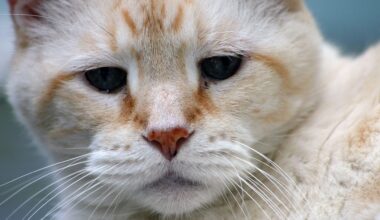
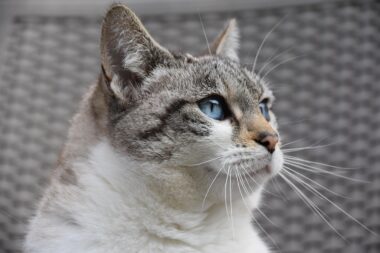
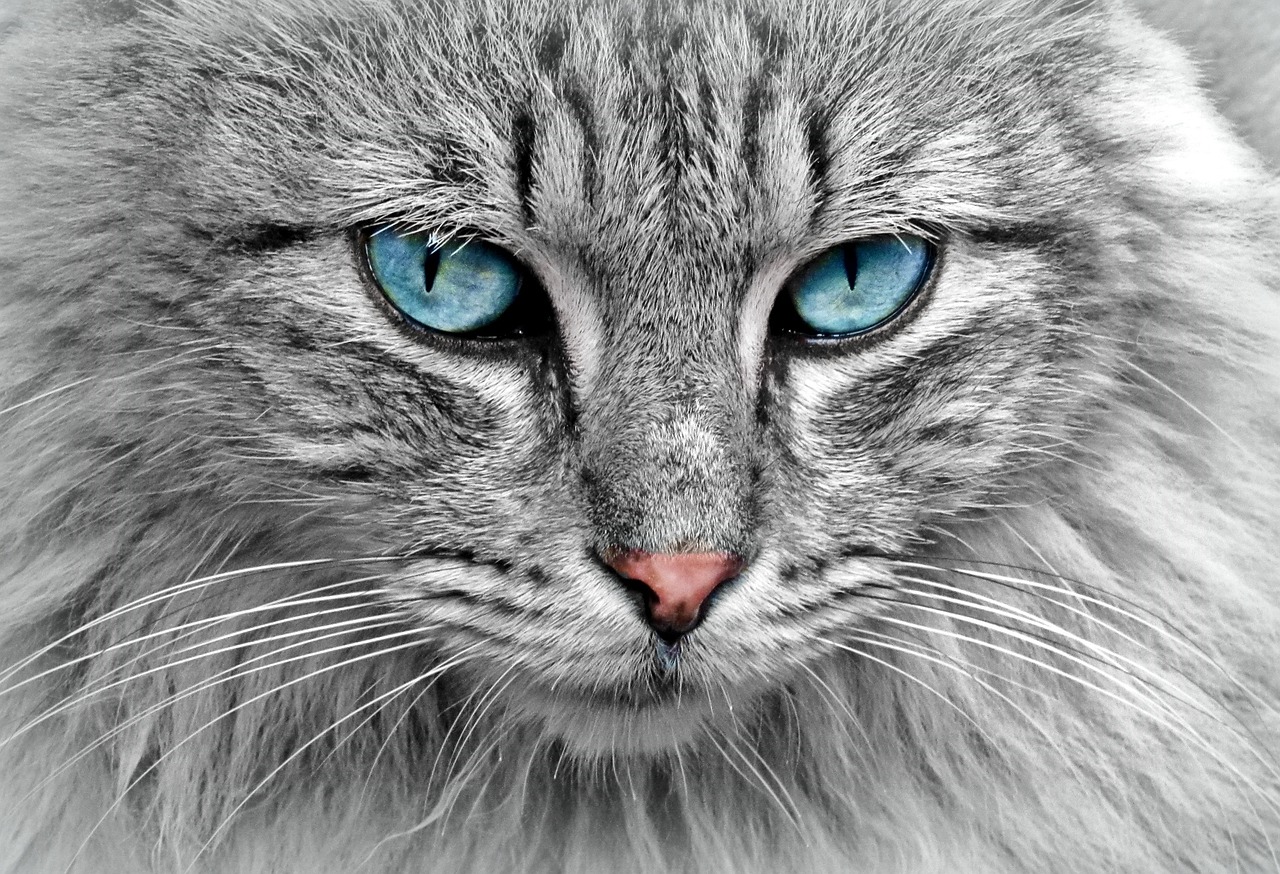
An essential part of understanding the Chantilly-Tiffany breed involves its unique physical characteristics. These cats typically have semi-longhair coats that are fine and silky, often seen in colors like chocolate, cinnamon, or lilac. Their luxurious fur adds to their appeal and is one of the reasons they are so sought after by cat enthusiasts. Another notable feature includes their large, expressive eyes, which usually appear in deep copper shades, giving them a unique look that captivates many. Their bodies are medium-sized and somewhat muscular, providing an athletic appearance while still being elegant. Besides, their large ears and tufted paws further distinguish them from other domestic breeds. The tail of a Chantilly-Tiffany is usually bushy, matching the lushness of their coat. Owners should be mindful that their beautiful fur does require regular grooming to prevent matting. Recommended grooming practices include brushing their coats multiple times a week, and more frequently during shedding seasons. Furthermore, grooming not only maintains their appearance but also strengthens the bond between the cat and its caregiver.
Despite their appealing looks and friendly dispositions, the Chantilly-Tiffany breed can be susceptible to specific health concerns. Potential owners often overlook health as a deciding factor in their cat choice, emphasizing the importance of understanding the breed’s predispositions to certain conditions. Some common health issues can range from dental diseases to hereditary conditions affecting its ears and heart. Routine vet visits are essential to keep a watchful eye over their general health. Moreover, ensuring a balanced diet tailored to this breed’s needs can also promote longevity. Providing appropriate regular exercise is equally necessary, as it helps prevent obesity and related health issues. Owners should be aware of some signs and symptoms that may indicate health problems, such as changes in appetite or behavior. Regular grooming sessions can also act as a bonding experience as well as an opportunity to check for physical abnormalities. Investing in quality food, plenty of exercises, and regular health check-ups should be part of every Chantilly-Tiffany cat owner’s routine. Ultimately, being proactive about health can lead to a longer, happier life for your beloved feline friend.
Caring for Your Chantilly-Tiffany Cat
Proper care for a Chantilly-Tiffany cat involves an understanding of its needs and behaviors. First and foremost, owners must prioritize a nourishing diet that will support the cat’s well-being and longevity. A high-quality cat food rich in proteins is ideal as it aligns with their energetic nature. Additionally, owners should rotate food brands occasionally to maintain interest in mealtime and to ensure a varied nutrient intake. Grooming rituals are also critical, requiring a balance between tackling that luxurious coat and allowing for bonding time. Regular brushing sessions will help maintain their fur and minimize shedding while offering them companionship. Furthermore, exercise should be incorporated into daily routines, as these active cats thrive on mental stimulation and physical activities. Engaging in interactive games, providing scratching posts, and enriching their environment with stimulating toys will keep them happy. Moreover, introducing variety in toys and games can make playtime more enjoyable for both the owner and the pet. Setting up a designated play area will also provide a safe space for exploration and fun. Socialization is crucial for developing their affectionate nature.
In terms of social behavior, Chantilly-Tiffany cats can be quite sociable, often seeking companionship from both humans and other animals. They are usually friendlier when exposed to a variety of situations early in life. Future owners should focus on exposure to different environments, sounds, and other pets. This exposure helps to limit anxiety when meeting new friends inside and outside the home. Owners who have children can find that Chantilly-Tiffanys usually adapt well to a family environment. However, supervision is crucial to ensure that interactions remain safe and comfortable for both parties. It is equally important to recognize that while they thrive on love and attention, overindulgence may lead to behavioral problems. Being consistent and setting clear boundaries are essential in fostering a good relationship. Training sessions using positive reinforcement can also be productive. Encouraging desired behavior with treats or praise will help cultivate a loving and respectful dynamic. Training early will allow the cat to grow into a well-behaved adult. Therefore, patience and understanding are key to raising a balanced Chantilly-Tiffany cat.
Adopting a Chantilly-Tiffany Cat
If you have decided to adopt a Chantilly-Tiffany cat, education is a crucial first step. Many pet owners inadvertently overlook researching the specific breed requirements. First, consider seeking out reputable breeders or adoption agencies, ensuring the cats are well-cared for and healthy. You may also want to ask for references or testimonials from previous adopters. Ensure that you can financially support the cat, not just for its food but also for veterinary needs. Preparing your home before bringing the new family member ensures a smooth transition into their new environment. Set up a comfortable space, complete with a bed, scratching post, and various toys for entertainment. It’s important to let the cat acclimate to its new surroundings gradually. Allow them time to explore their environment, all while providing guidance and reassurance. Introducing your new feline friend to family members should be done gradually as well, facilitating positive interactions and experiences. Lastly, be patient throughout the adjustment process; every cat has its own timeline. A little love, understanding, and diligence can make all the difference in allowing a Chantilly-Tiffany to feel at home.
In summary, the Chantilly-Tiffany cats pack a range of myths and fascinating facts into their charming personality. They aren’t just beautiful beings but emotional companions who thrive on interaction and care. Understanding the truths behind this breed is critical for prospective owners looking to provide the best care for their future feline friends. Their unique characteristics and affectionate nature make them a popular choice among cat enthusiasts. By distinguishing between the myths and facts, owners can prepare for what it truly means to have a Chantilly-Tiffany. By helping prospective owners realize these truths, it can create a harmonious match between cat and human. Preparing for a Chantilly-Tiffany means equipping yourself with knowledge of their physical and emotional needs. Ultimately, proper care, nurturing, and socialization contribute to a thriving and happy life for your cat. With dedication and love, both you and your Chantilly-Tiffany can build an unbreakable bond. The beauty of this breed lies not only in its looks but also in its playful and loving nature that enriches the lives of its owners. By focusing on understanding and caring for this breed, the relationship can blossom beautifully.