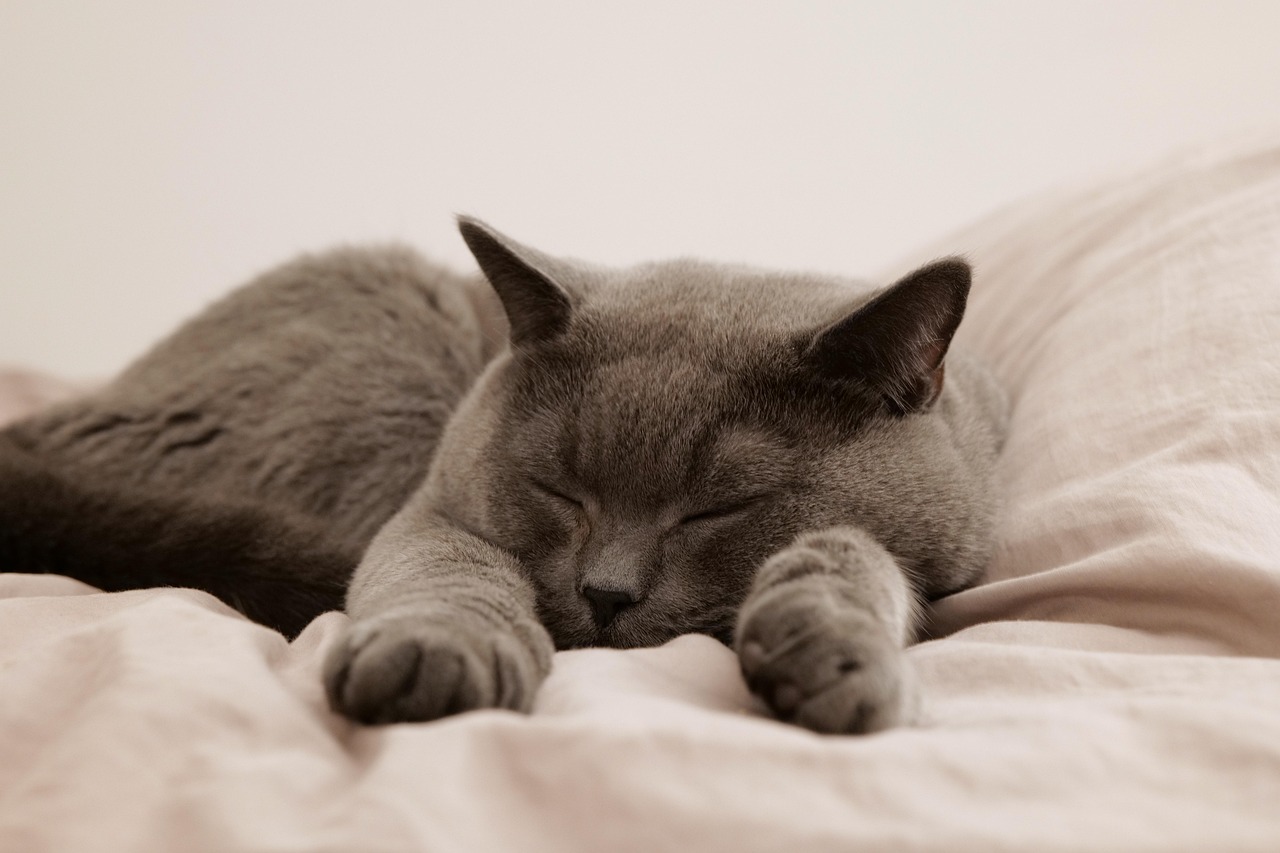

Signs Your Senior Cat Needs a New Bed
As cats age, their needs change significantly, especially concerning comfort and bedding. A senior cat may require additional support to ensure proper sleep and relaxation. Often, older cats may show signs of discomfort or pain due to an unsuitable bed. One clear indication is if your cat frequently shifts positions or struggles to get comfortable. If you notice your cat giving up on their bed for colder surfaces or even the floor, this could mean they need a change. It’s important to remember that a comfortable bed can dramatically affect their overall health. Look for beds specifically designed for older cats that feature memory foam or orthopedic support. Additionally, consider the bed’s material; it shouldn’t retain heat nor make it difficult for your cat to move. Other signs include visible wear on the mattress or blanket. If the bed appears frayed, lumpy, or shows other signs of significant wear and tear, it’s time to get a new one. Cats also enjoy hiding away, so ensure the space is cozy and inviting. Investing in a new bed can improve their quality of life and offer them a well-deserved retirement in comfort.
Another sign to watch for is your cat’s reluctance to jump onto their favorite resting spot. Senior cats can develop arthritis or other joint issues that make climbing more painful. If you observe your feline friend hesitating before jumping into their bed, it could signal that they are experiencing discomfort. Paradoxically, if your senior cat has begun to over-groom or exhibits signs of anxiety, such as meowing or pacing, this can also relate to their resting environment. Adjusting their bed might ease some of these concerns. Evaluate the height of their sleeping area; a bed that’s too high can be a barrier. For older felines, a low-profile cat bed is usually the best choice, allowing easy access. A bed that provides adequate support can alleviate stress on the joints, helping your cat feel relaxed and safe. Furthermore, you might consider the bed’s style. Some cats prefer enclosed spaces, while others enjoy open designs. Ensuring that your senior cat’s space is well suited to their preferences encourages restful sleep and stress relief, which are vital for senior health.
Inspecting Your Cat’s Sleeping Patterns
Pay attention to any changes in your cat’s sleeping patterns. A senior cat that suddenly begins sleeping more or less might signal underlying health concerns often exacerbated by discomfort from their bed. Look for behavioral shifts, such as your cat no longer curling up comfortably in their bed. Instead, they may sleep in unusual locations, which can depict a lack of comfort in familiar spots. When a cat seeks cooler surfaces, or unusual corners of a room, it might indicate that their current bed doesn’t provide adequate temperature regulation. Additionally, consider how they react to your presence. A cat that once sat beside you while you relax may start avoiding you and their bed, indicating discomfort. The solution may be as simple as introducing a warmer, snugger bed that provides them with an inviting atmosphere for sleep. Above all, your feline friend should feel secure and comfortable in their chosen resting place. Also, consider the bed’s cleanliness—older cats can be more sensitive to allergens, and cleanliness will ensure a healthy resting environment as well.
Another vital factor in assessing your cat’s bedding needs is how often they groom. A senior cat that exhibits unusual grooming habits or avoids grooming altogether might indicate discomfort. If the bed is too firm or lacks the necessary support, it could lead to stress and anxiety in your pet. Grooming can become difficult for older cats, and if they sense a connection between discomfort in their bed and their grooming habits, it can create a cycle of stress. Look out for excessive fur around their favorite spots, which could signal that they are finding alternative resting places due to discomfort. Therefore, providing a soft, easily accessible bed with a comfortable surface can help alleviate some of these concerns. A well-made bed can encourage older cats to engage in self-grooming, improving their hygiene and maintaining their comfort levels. Consider opting for beds that are machine washable to promote cleanliness easily. Remember, a secure and safe environment directly influences your pet’s mental and physical health that changes dramatically at an older age.
Monitoring Mobility Changes
As cats age, mobility issues often arise. Observing your senior cat’s movements can offer insight into their need for a new bed. If movement appears stiff or slow, especially when getting in and out of their bed, this could indicate discomfort linked to an unsuitable sleeping surface. Your cat may have difficulty finding a comfortable spot due to joint problems or stiffness; thus, their bedding may not provide the necessary support. It’s crucial to evaluate their bed regularly, particularly if it has lost its shape or support. Additionally, observe their time spent lounging in their bed; prolonged periods of inactivity can show preferences towards alternative spots that may feel more comfortable to them. When introducing a new bed, consider one that allows easy access. Look for low sides to facilitate their entry and exit. Furthermore, consider removable, washable covers for cleanliness, as senior cats may need help maintaining their fur. A supportive bed allows the cat to rest better, improving their range of motion and mobility over time, thus significantly impacting their daily health and overall happiness.
Additionally, consider the temperature regulation capabilities of your senior cat’s bed. As cats grow older, they may become more sensitive to temperature fluctuations. If your cat is seeking warmth or seems to be too cold on certain nights, this might be another sign of needing a new bed. Older cats can struggle to maintain their body temperature, so their bedding must have appropriate insulation. This can often be the deciding factor for maintaining their resting quality and comfort, particularly in winter. Look for beds made from materials such as memory foam or thermal insulation that provide warmth and coziness. Moreover, you can layer a soft blanket for extra comfort, ensuring they feel safe. Remember to keep the bed placed in a draft-free area where your senior cat can find peace. Proper bedding will not only give them a place to sleep but also contribute to their overall health, promoting regular sleeping patterns. Cats thrive in secure environments; evaluate their daily behavior to see if additional warmth could enhance their comfort and rest.
Considering Your Cat’s Preferences
Understanding your senior cat’s personal preferences is essential when choosing a new bed. Many cats develop specific likes and dislikes throughout their lives. If you’ve previously provided a bed that your cat adored, it might be helpful to replicate similar features in a new bed. Observe their favorite sleeping positions and areas. Do they prefer enclosed spaces? If so, a cave-style bed might be ideal. Conversely, if your cat enjoys sprawling out, an open and cushioned design will likely be more appealing. Texture also plays a role; soft, plush fabrics may enhance comfort levels. Cats frequently rotate their preference, adjusting according to their needs. Consider stimulating their sense of security within a new bed. Incorporating familiar items such as a favorite blanket can transition smoothly, soothing their anxiety. Furthermore, it’s crucial to ensure the bed is big enough for your cat to stretch comfortably and change sleeping positions seamlessly. Investing time in selecting the right features while considering routine and comfort can significantly enhance your senior cat’s life for years to come.
The final sign your senior cat may need a new bed is their overall mood and behavior change. If your cat seems irritable or disinterested in previously enjoyed activities, discomfort from an unsuitable bed might be influencing their temperament. Cats show their discomfort in various ways, including hiding more often or avoiding companionship. Some senior cats can also express reluctance toward being petted, further indicating that they could be feeling unwell or in pain. If your cat’s personality shifts dramatically, it could well be rooted in their sleep environment’s inadequacy. Addressing their bedding situation is one of the key factors that can help restore feline happiness and contentment. Evaluate the underlying issues causing their mood swings. If it’s feasible, changing from a standard cat bed to one that’s specifically designed for senior comfort might be the best choice. Options range from heated beds to orthopedically-designed surfaces that address comfort and support needs. Ensuring your feline companion has a suitable resting area where they feel safe and comfortable will undoubtedly improve their quality of life and restore their spirit.