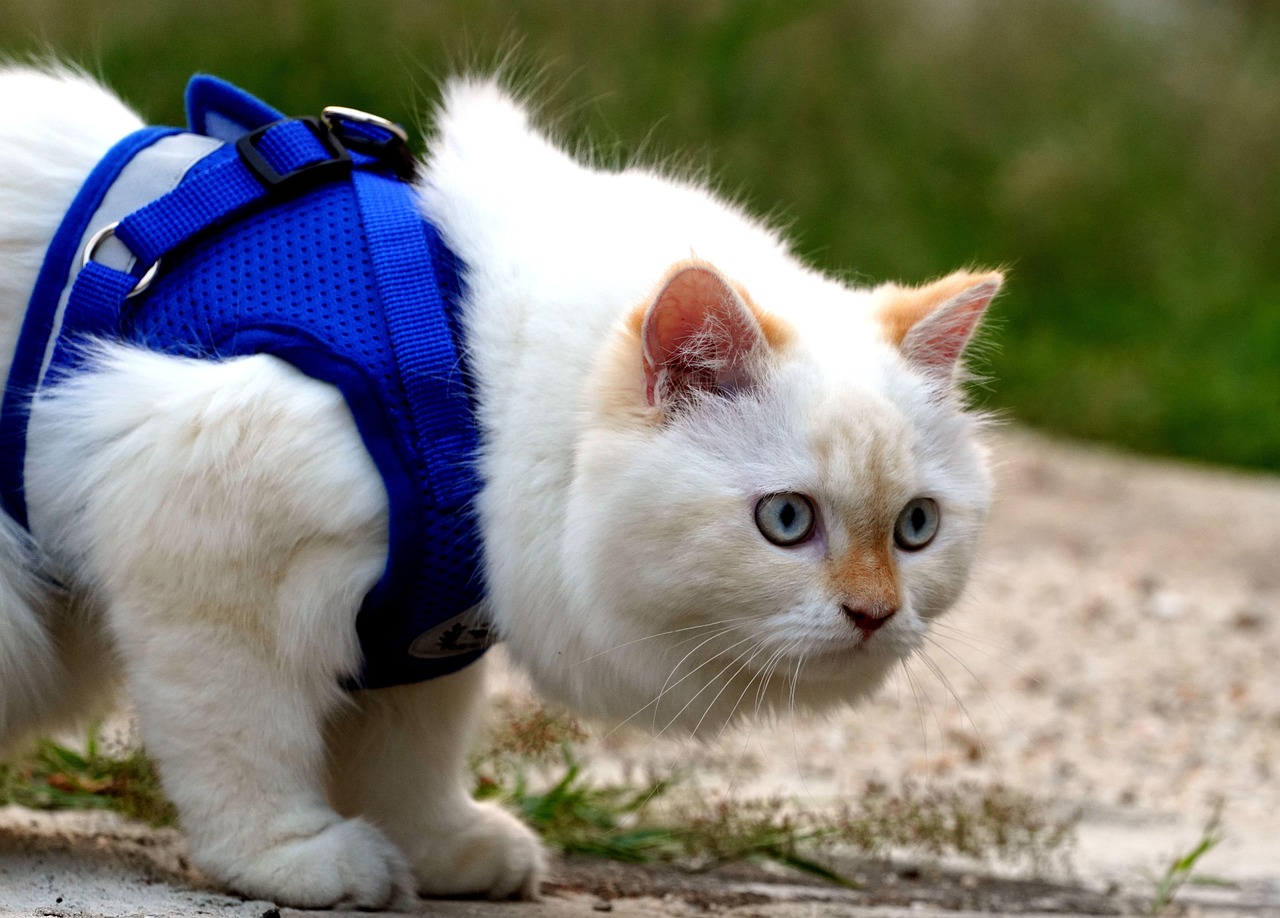

Step-by-Step Guide to Fitting Training Harness Accessories on Your Cat
Choosing the right training harness for your cat is essential when it comes to ensuring their safety and comfort during walks or training sessions. First, it is important to measure your cat’s girth accurately. To do this, use a soft measuring tape, wrapping it around the widest part of the chest, just behind the front legs. Typically, the tape should be snug enough to allow for a finger’s width under it, ensuring both a secure fit and comfort. Once the measurements are taken, compare them against the sizing chart provided by the harness manufacturer for an accurate selection. Remember that each brand might have slight variations in sizing. Also, consider that harnesses for cats often come in adjustable designs. This feature allows you to fine-tune the fit, ideal for growing kittens or adjusting for seasonal changes in coat density. This specific fit guarantees your cat cannot escape easily, providing peace of mind. Once you have selected the harness, familiarize your cat with it gradually to prevent fear or anxiety. Start with very short periods at home before moving to outdoor environments.
Next, introduce the harness to your cat by allowing them to explore it freely. Place it on a familiar surface or nearby area where your cat feels comfortable. Use treats or toys to entice your cat, creating a positive association with the harness. Ideally, you should let your cat sniff and paw at the harness before trying to put it on. After they seem comfortable, you can gently slide the harness over their head. Make sure it’s positioned so that it sits securely on their body without pinching or causing discomfort. Always check the adjustable straps; they should be snug but not too tight. To determine if the fit is correct, make sure you can insert two fingers between the harness and your cat’s body. This ensures that it is secure without restricting movement. Patience is key during this process, as some cats may take longer than others to get accustomed to harnesses. Take your time and proceed at your cat’s pace, never forcing it. This will help in building a trusting relationship with your cat around the use of training harnesses.
Fitting the Harness Properly
After your cat has adjusted to the feel of the harness, it’s time to fit it properly. Start adjusting the straps before putting the harness on fully. There are usually two or three adjustment points on most harnesses, providing a customizable fit for different body types. While adjusting, double-check that the straps will not rub against sensitive areas around the tail and neck. Once you’re ready to fit it, calmly secure the harness around your cat. This can be done by sliding the rear section up and securing it at the belly or chest, depending on the style. Ensure that the harness does not impede your cat’s natural movements; they should be free to walk, run, and jump. You can also practice gentle tugging on the leash attached to the harness to ensure it’s secure. After the harness is fitted, allow your cat some time to wear it indoors before heading outside. This acclimation helps reduce stress when transitioning from home to outdoor environments. Always keep a watchful eye for any signs of discomfort, ensuring a positive experience overall.
When your cat is wearing the harness, observe their body language attentively. Look out for any signs of distress, such as excessive scratching, biting at the harness, or attempts to escape. If these behaviors occur, remove the harness immediately and reassess both the fit and your cat’s comfort level. It’s advisable to try a different model, as some cats may prefer specific styles. In general, you want to ensure that the harness does not slip off the shoulders or bind around the chest, as this could lead to injury or escape risks. Also, consider the weight and material of the harness. Lightweight, breathable materials are often better suited for cats, especially in warmer months. Ultimately, every cat is different, and their preferences can vary significantly. Therefore, investing time into finding the right harness is beneficial. Once your cat has adjusted to the rolling harness, routines for walks and outdoor training can begin. Starting with short sessions will help your cat gain confidence, and gradually increase walking time as they become more accustomed to the feelings of the harness outdoors.
Accessorizing Your Cat’s Harness
After successfully fitting the harness, you can enhance your cat’s training experience with several accessories. First, consider attaching an identification tag or microchip to the harness. This is especially important for outdoor adventures, ensuring your pet can be identified quickly if they wander away. Furthermore, integrating a leash designed specifically for cats is essential. A shorter, lightweight leash allows better control without overwhelming the animal and impeding their movement. Also, look for reflective options if walking at dusk or dawn since visibility is crucial for safety. Another useful accessory includes a clip-on training clicker. This handy tool can effectively reinforce positive behavior during outdoor training or walks. Clickers help signal your cat immediately upon achieving something desirable, thus aiding in their learning process. Lastly, consider using a pet-friendly pouch for treats. Having immediate rewards handy will encourage your cat to follow commands and become more engaged during training sessions outside. Utilizing these accessories effectively can create a helpful training environment for both you and your feline friend, enhancing your bonding experience significantly over time.
As your cat becomes increasingly comfortable with the harness and additional accessories, you can begin venturing outside for more extensive training sessions. Start by exploring your yard or a quiet park, ensuring that the environment is controlled and relatively calm. The goal is to provide a low-stress experience for your cat; thus, seek areas where they can walk safely on a leash without distractions or other overwhelming stimuli. While out, let your cat explore freely, while maintaining a secure grip on the leash. This encourages a sense of exploration while keeping them safe. Introduce new environments gradually, opting for gradual exposure rather than sudden experiences; this helps minimize stress. During these training sessions, remember to reward your cat for following your commands. Using treats or praise when they respond positively will reinforce good behavior. You may also notice that offering breaks allows your cat to decompress, helping them adjust better during the training. Listen to your pet, as knowing their limits will improve your interactions and create a successful training journey together. Every small progress made should be celebrated, ensuring lasting bonding.
Maintaining the Harness and Accessories
Proper maintenance of the training harness and accessories is vital for their durability and hygiene. Start by regularly checking for wear and tear on the harness; inspect the straps and buckles for fraying or breaking. If any damage occurs, replace the harness before it becomes a safety risk. Additionally, it’s great practice to wash the harness regularly, as outdoor excursions can accumulate dirt and odors. Check the manufacturer’s instructions for proper cleaning methods. Usually, hand-washing with mild soap is recommended, then air drying it to avoid deformation. Accessories such as leashes and pouches should be treated similarly; ensure they are also cleaned regularly to maintain hygiene. Evaluate your cat’s behavior during training sessions after a thorough cleaning; they may respond differently after smelling fresh items. Storing the harness and accessories in a dry and safe place can prolong their usability, preventing unnecessary damage. Finally, always keep track of your cat’s fitting over time, as they might need adjustments due to growth or changes in weight. Regularly reassessing the harness ensures optimal comfort. With good care, your training equipment will support many successful excursions.
As a summary, fitting training harness accessories on your cat involves several crucial steps. Choosing the right size, ensuring proper fit, and gradually introducing the harness are fundamental parts of the process. It’s equally essential to monitor your cat’s reaction throughout the experience, as their wellbeing is a top priority. Exploring indoor environments before transitioning outside allows them to acclimate, building confidence with time. Additionally, using accessories thoughtfully can enhance training sessions and improve your cat’s overall engagement. Ensuring the harness and accessories are well maintained will prolong their life. Provide clear rewards and safe experiences, encouraging positive associations with the harness, which is crucial for creating a strong bond while training. This straightforward guide aims to empower you to create positive experiences while fitting training harness accessories on your cat. By following these steps, both you and your feline friend will enjoy exciting and enriching adventures together in various environments.