
Understanding Low Light Photography
Low light photography presents unique challenges and opportunities, especially when capturing the elusive beauty of cats. Understanding how light works in different environments allows photographers to utilize available sources effectively. Cats are naturally curious creatures, often found lounging in dimly lit areas, making them ideal subjects for this type of photography. To achieve excellent results, it’s crucial to consider the ISO settings of your camera. Increasing the ISO allows you to capture more light, but be wary of introducing noise, which can detract from the overall image quality. Additionally, using a wide aperture can create a beautiful bokeh effect while letting in more light, brilliant for emphasizing your feline subject. When photographing cats, it is essential to observe their behavior; they are less likely to pose in low light. Patience and quietness are key virtues in getting them accustomed to your presence, leading to more natural shots. Consider also trying different angles; sometimes, photographing from below eye level or behind a low light source can yield creative results. Remember, your goal is to capture the essence of your subject in a way that tells a story and showcases their true character.
Equipment Choices
Choosing the right equipment is paramount for successful low light photography of cats. A camera with good low-light performance can drastically improve your results. Popular models include DSLRs and mirrorless options, as they offer more flexibility in adjusting settings to account for low light. Additionally, consider investing in a fast lens. A lens with a wide maximum aperture, such as f/1.8 or f/2.8, will provide exceptional clarity and light-gathering capabilities. A tripod can also be beneficial, as it stabilizes your camera, allowing you to slow down the shutter speed without introducing blurry images. Another essential piece of gear is a remote shutter release; this can prevent camera shake and help in capturing sharp images even in the dimmest lighting. Finally, don’t underestimate the utility of bounce cards or reflectors, which can help direct and manipulate light towards your subjects, defining details like their fur texture or their captivating eyes. Ultimately, investing in the right equipment tailored towards low light conditions can significantly elevate your cat photography.
Understanding feline behavior in low light scenarios is crucial to capturing compelling images. Cats are often more active during twilight hours, primarily because they are crepuscular animals. This means they are most active at dawn and dusk, presenting excellent opportunities for capturing dynamic shots during these times. Observing your cat’s habits can assist in identifying their playful moments or calming poses when they feel safe. Try to photograph them as they interact with their surroundings, instead of merely posing them in front of the camera. Candid moments yield more genuine expressions. Another technique is to use toys or treats just out of frame, which can stimulate curiosity and engagement from your cat. Remember, creating a calm environment can help your cat feel at ease; sudden movements or loud noises might cause them to retreat. Patience is essential while they adjust to your requests for photography. Capturing their personalities and natural behaviors can produce heartfelt images that resonate, making your photography process rewarding. Make sure to spend time with your cat before shooting, establishing trust and allowing for spontaneity when those precious moments unfold.
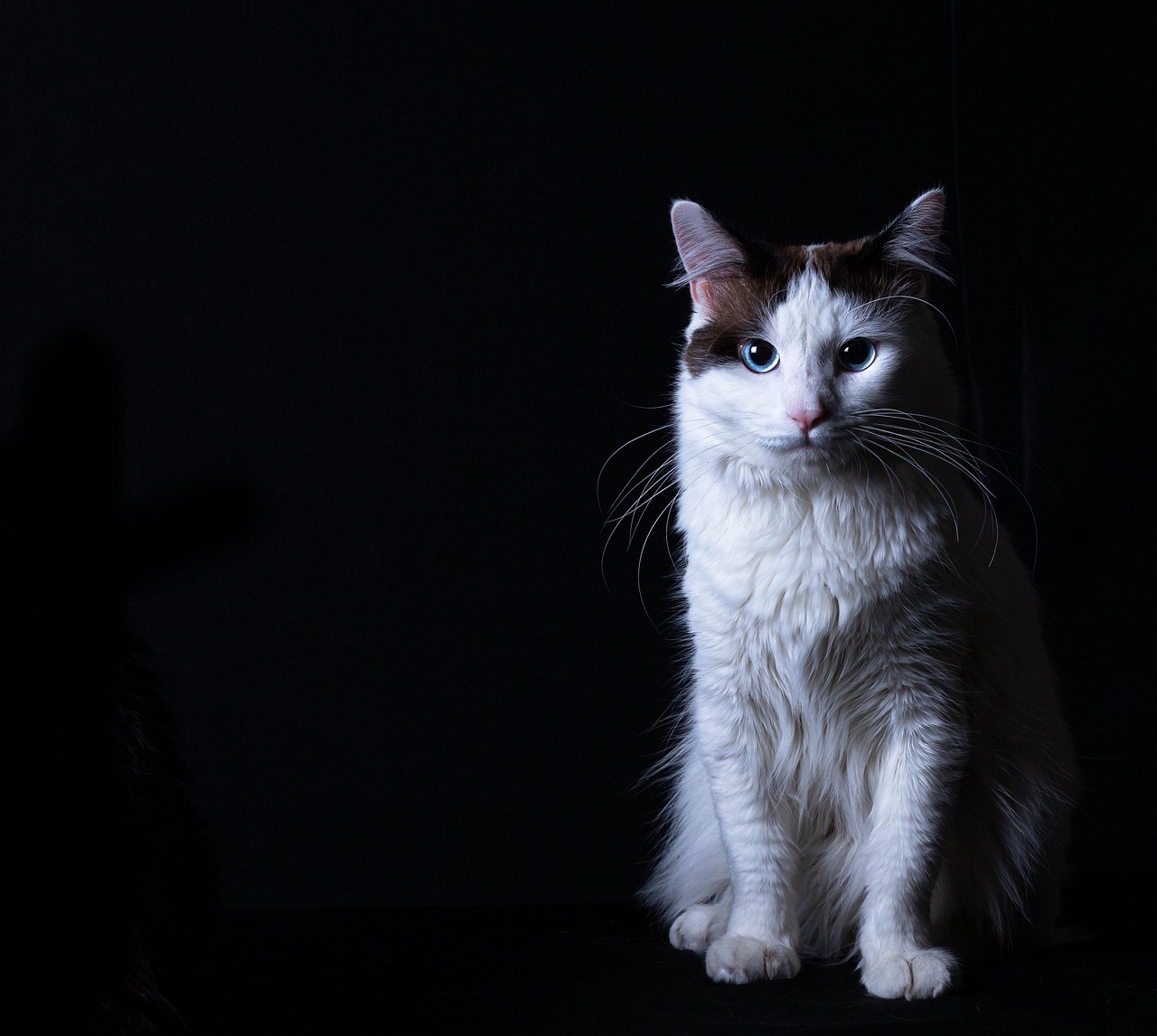
Utilizing natural light sources effectively is critical when shooting cats in low light. Windows, doorways, and other openings can serve as beautiful, diffused light sources. Position yourself accordingly to take advantage of these pockets of light, ensuring your feline subject is well-lit to capture their details. An overcast day can be beneficial since the clouds diffuse sunlight, creating soft shadows and preventing harsh contrasts. If you do find yourself shooting indoors where artificial light is unavoidable, consider switching it off. Instead, rely on lamps with incandescent bulbs, which emit warm light perfect for enhancing a cat’s fur. You can play with shadows and highlights created by existing structures in your space, which adds an artistic flair to your photos. Experiment while involving different light sources; adjusting your angle can yield varied results. Experimenting with shadows can often create a dramatic effect that implies mystery and depth, perfect themes when photographing cats. Be mindful of the shadows; too often, they can overwhelm the image, so balancing them properly is essential to achieving pleasing results in low light conditions.
Mastering Camera Settings
Familiarizing yourself with your camera’s settings is fundamental for taking great photos of cats in low lighting. Start with adjusting your ISO settings, typically needing to increase to avoid underexposed images. Each camera varies, but often, settings between 800 and 3200 can deliver satisfactory results while keeping noise at bay. Shutter speed is another crucial element; as light decreases, you may need slower speeds, but this often requires a stable shot. Techniques such as panning or bracing your arms against a firm surface can provide additional stability. Understanding when to utilize exposure compensation is essential too, as this lets you fine-tune brightness to maintain detail in both cat fur and the surrounding environment. Furthermore, the focus mode is vital, especially under low light. Switching to continuous autofocus (AI-Servo) may help to track your cat’s movements effectively. Ultimately, a thorough understanding of these settings aids in maximizing the potential of low light photography, allowing each take to burst with clarity and emotion, presenting the perfect shot that encapsulates your feline friend’s essence.
When displaying your wonderful cat photography, consider how presentation can affect perception. Select the right backgrounds; minimalistic settings allow your subject’s features to shine without distractions. For instance, natural textures like wood or soft fabrics can complement their natural beauty while enhancing the overall composition. You may also consider editing options; using software such as Lightroom or Photoshop can elevate your photo from good to exceptional. Adjust the exposure and contrast to further enhance the lighting impact while ensuring details stay visible. Applying a vignette might draw the viewer’s focus toward your cat, emphasizing their stature within the frame. Importantly, sharing your work on social media platforms can connect you with other pet photographers and potential fans. Engaging with communities dedicated to cats or photography can provide feedback, inspiration, and networking opportunities. Create an online portfolio, showcasing your best pieces; this not only displays your skills but also builds connections with similar enthusiasts. The goal is to share the beauty of feline photography while inspiring others to explore capturing moments with their furry companions. Take the leap and present your photographic journey in the light it truly deserves.
Finally, remember to have fun with cat photography in low light conditions. The process should bring joy, both for you and your feline subjects. Allow spontaneity; sometimes the best shots come from unexpected moments when cats are naturally playful or cozy. Embrace the environment and your cat’s unique personality as it can transform your images into treasures. Explore various techniques mentioned previously, and allow your creativity to flourish. Every cat is different, and learning to adapt to their unique traits will guide you in capturing their essence beautifully. Keep practicing, as gaining experience in low light scenarios will empower you to experiment more. Even imperfections can yield fantastic artistic results. Capture moments laden with emotion and storytelling; it’s the heart of great photography. Ultimately, the art of cat photography is a beautiful journey that evolves with every snapshot you take. Treasure every moment spent with your furry friend as it enriches your experience. Cats, with their graceful movements and charming expressions, can illuminate any photograph, particularly in low light settings. Let your passion guide you as you explore this special aspect of photography.
When it comes to post-processing, low light photography presents a variety of exciting opportunities to enhance your images further. Many photographers utilize tools such as Adobe Lightroom and Photoshop, which provide advanced features to manipulate photos. Using Lightroom, you can adjust your exposure, contrast, and shadows to balance the lighting and bring out details lost in low light. Your editing doesn’t have to be extremely technical; tweaking simple settings can contribute to making your photos pop. Try adjusting the color balance to correct any unwanted tints that may arise from artificial sources. Moreover, sharpening certain areas can draw attention to your cat’s eyes and facial expressions, making the image more captivating. Cropping is another vital aspect; it allows you to focus the viewer’s attention on your cat while you eliminate distracting elements from the background. Lastly, consider sharing your work within online communities, where constructive criticism can encourage improvement. Engaging with fellow cat lovers and photographers can provide invaluable feedback. After all, the journey of mastering low light cat photography is never over; every photo you take will advance your skills and understanding of this captivating craft.