
Understanding Cat Behavior
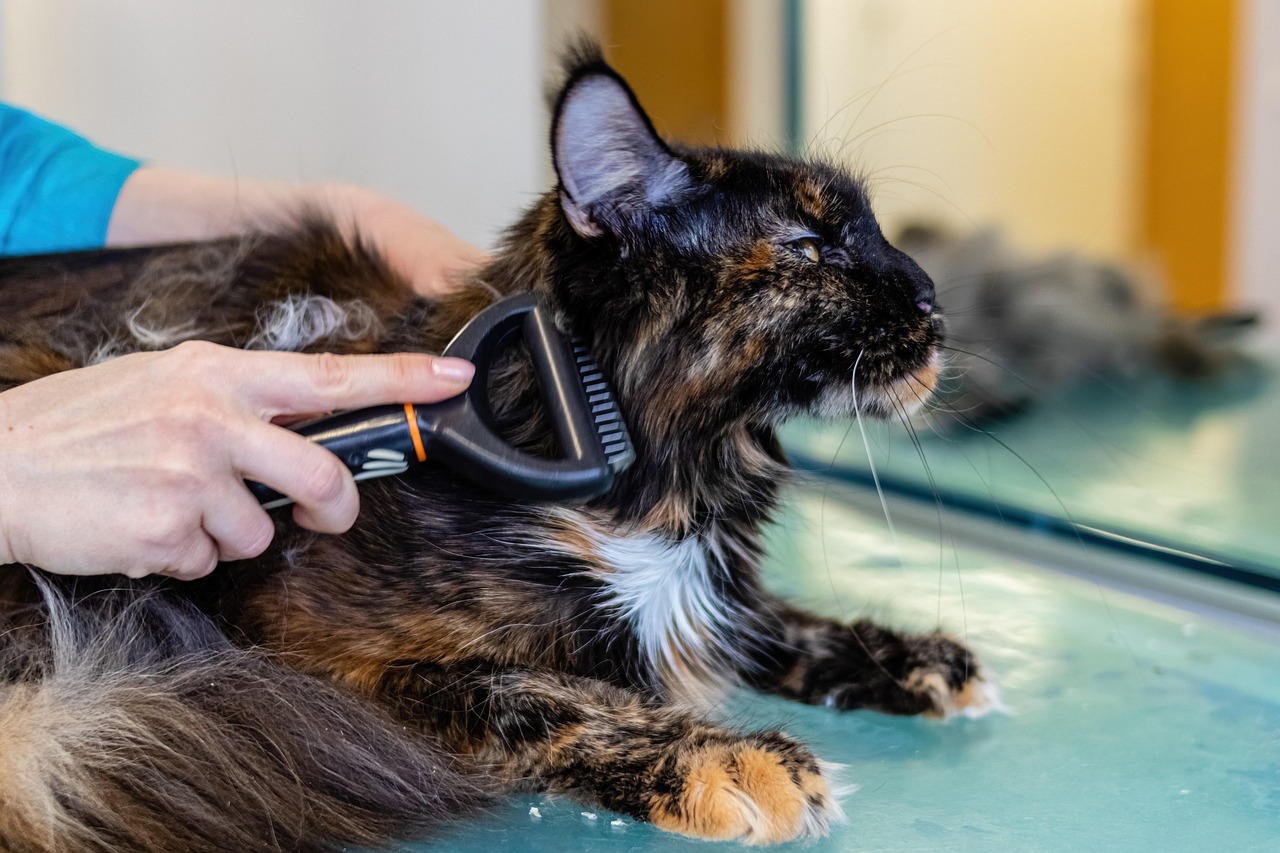
Understanding cat behavior is essential for training them to accept grooming and vet visits. Cats are creatures of habit who thrive in predictable environments. If cats experience positive interactions during grooming or vet visits, it can significantly affect their perception of these activities. Start by observing their body language: ears back, tail twitching, or crouching can indicate stress. Additionally, consider the environment. Cats often feel nervous in unfamiliar settings. Introducing grooming tools gradually at home can make a significant difference. Use gentle brushes while rewarding good behavior with treats and praise. Create a safe space where your cat can retreat during stressful moments. With patience and consistent behavioral training, grooming can become a more pleasant experience for both you and your cat. Explore various brush types and find one that your cat seems to enjoy. For vet visits, plan ahead by carrier training and making sure the carrier is comfortable with familiar bedding. The more relaxed your cat is before the appointment, the easier it will be. Consulting a vet specializing in animal behavior can provide professional insights into further modifying your cat’s reactions.
Desensitization Techniques
Desensitization techniques can effectively train your cat to tolerate grooming and vet visits. Start slowly by introducing your cat to grooming tools in a non-threatening environment. Allow your cat to explore the brush without any pressure. Offer treats whenever they interact positively with it to create a positive association. Next, gradually include the grooming process. Begin with short brushing sessions and increase the duration as your cat becomes more comfortable. Praise them consistently and provide a calming atmosphere. Similar techniques apply to vet visits, where acclimating your cat to their carrier is key. Leave the carrier out for them to explore and feed them treats inside it. Take short car rides to associate the travel experience with positivity. It’s crucial to monitor your cat’s stress signals during all stages. If they become agitated, take a step back and try again later. Keep each session short and positive, ensuring your cat remains comfortable throughout. Use toys that stimulate their hunting instinct to engage their focus during grooming and vet activities. These strategies cumulatively help adjust your cat’s response to what usually may be anxiety-inducing situations.
Routine and consistency play a vital role in training cats for grooming and vet visits. Cats thrive on routine, which minimizes their anxiety. Make grooming a regular part of their schedule, allowing them to expect it. Start with a few minutes daily, building gradually. This method teaches your cat that grooming is a regular, non-threatening part of their life. Always use positive reinforcement. Reward your cat with their favorite treat, verbal praise, or a gentle pet after each session. Cats respond well to positive stimuli when learning. After a successful grooming session, let your cat play with a toy or engage in a preferred activity to enforce good behavior. When preparing for vet visits, familiarize your cat with the carrier beforehand. Maintaining a consistent approach toward the carrier can lessen anxiety associated with it. Whenever possible, use positive language, and speak softly to reassure your cat during the entire process. Consistency is crucial, as it builds trust and reduces fear over time. Repeat conditioning builds familiarity with the objects and experiences they once found intimidating, allowing for smoother overall interactions.
Incorporating play into your cat’s grooming and vet visit training is an excellent way to create a more positive experience. Engaging your cat in play immediately before brushing can redirect their focus and reduce anxiety. Choose favorite toys, such as feather wands or laser pointers, that can entice them to engage actively. This playtime can serve as a reward after a successful grooming session. Likewise, this playful approach helps create positive associations with handling, reducing their apprehension toward grooming tools. For vet appointments, play is equally important. Consider using toys to distract your cat during travels and waiting times. Familiar toys can provide comfort in stressful situations. Ensure that engagement with your cat remains light and encouraging. Avoid overwhelming them as too much stimulation can lead to anxiety. After successful interactions, celebrate with a calm environment where your cat can unwind. Toys specifically designed for cat enrichment can also be introduced during training. Additionally, providing multiple varieties of activities suits varying personalities, further reinforcing this process. Ultimately, these fun interactions serve to associate grooming and visits with positive, enjoyable experiences.
Monitoring stress levels is essential as you train your cat to accept grooming and vet visits. Awareness of behavioral changes allows trainers to adjust techniques accordingly. Look for signs such as hiding, excessive grooming, or changes in litter box behavior. Regular assessments enable you to gauge your progress. Consider keeping a journal to track your cat’s reactions and the effectiveness of various techniques. This log will offer insights into what works best over time. Always remain patient if you notice stress, as it is essential not to rush the process. Instead, work at your cat’s pace while continuing to implement desensitization strategies. Modify your approach when necessary, keeping sessions short and positive. If anxiety levels remain high, consult a veterinary behaviorist for specialized advice. They can provide professional insights tailored to your cat’s needs. Prioritizing the emotional well-being of your pet during training fosters deeper trust and bonding. Using calming pheromones or relaxing music may also promote a serene atmosphere during these sessions. This environment can significantly help ease your cat’s fears and encourage a more positive association with grooming and vet visits.
Grooming is an essential aspect of a cat’s well-being, helping to maintain a healthy coat and skin. Proper training for grooming sessions paves the way for enjoyable experiences and minimizes anxiety. Regular grooming sessions can prevent matting and reduce shedding in your home. Start by making these sessions as pleasant as possible. Cuddle your cat gently, softly brushing their fur, and instantly reward their good behavior. Be sure to provide time for relaxation in between strokes to let your cat acclimatize. On particularly anxious days, consider shortening the grooming session. Keep a light atmosphere, focusing on creating positive encounters. Consider incorporating flavored treats or special toys that can serve as rewards. This approach builds anticipation for the experience, helping foster association with rewards and comfort. Gradually, with consistency, your cat will learn to associate grooming with enjoyable outcomes. It is essential to maintain their health by brushing regularly; doing so can also lead to less competitive grooming when they visit the vet. Always prioritize creating a calm routine that they can rely on, creating better outcomes in general.
In conclusion, successfully training your cat to accept grooming and vet visits is a gradual process that deeply hinges on patience and understanding. Remember to reinforce experiences with positive associations, and ensure sessions are manageable and stress-free. Engaging in play, monitoring emotional responses, and utilizing desensitization techniques will lead to smoother interactions over time. Consistency is critical. Keeping routines allows your cat to anticipate what comes next, creating familiarity. Allow enough time for each session to ensure they feel relaxed, adjusting approaches as needed based on their unique personalities. Building trust helps to foster a more enjoyable experience as your cat becomes increasingly comfortable. Overall, understanding cat behavior provides the foundation for effective training and behavior modification. Don’t hesitate to reach out to professionals if needed. Together, a shared commitment from you and your cat ensures successful outcomes for both grooming and vet visits. By creating a safe and welcoming environment, your feline friend can flourish and feel more relaxed during these essential activities, strengthening your bond in the process.