
Traveling with Dogs: Emergency Preparedness and Kit Checklist
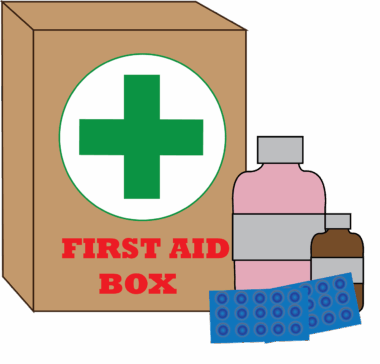
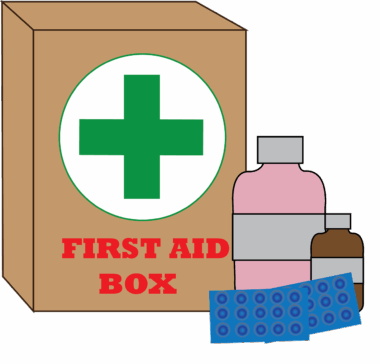
When traveling with your canine companion, preparedness is key to ensuring a safe and enjoyable experience. Emergencies can occur at any moment, and having a well-stocked pet emergency kit can make a significant difference. First and foremost, gather essential items your dog may require during your trip, such as food, water, and medications. Consider packing your dog’s favorite toys to provide comfort in unfamiliar places. While preparing, remain aware of your destination’s climate and environment, as these factors will dictate what additional supplies are necessary. Furthermore, familiarize yourself with local veterinarians and emergency clinics, ensuring crucial contact details are easily accessible. A pet-friendly first-aid book should also be part of your educational resources, helping you react swiftly in a crisis. As you assemble your kit, don’t forget essential safety items like a leash, muzzle, and a comfortable carrier. Each of these components will contribute to a smooth journey and enhance your capacity to respond effectively should an unforeseen situation arise. Always remember that being prepared is not just about mitigating risks, but also about maximizing the joy of traveling with your dog.
Once you have your basic kit assembled, it’s time to delve deeper into specific needs related to your pet’s health and safety. Consider carrying an adequate supply of your dog’s medications, including any prescriptions they may need on the road. Additionally, include a copy of their veterinary records and proof of vaccinations, which might be required during travel. You should also carry a portable water bowl that can be easily filled and cleaned during your journey. For those longer trips, think about bringing a travel bed to ensure your dog has a familiar place to sleep. A sturdy crate or carrier can also serve as a safe transport method for your dog in case of sudden stops or emergencies. If your pet has special dietary needs, include appropriate food and treats in your kit. In addition to these essentials, consider any specific items that cater to unique conditions your dog may have, such as a life jacket for swimming or cooling mats for hotter climates. Preparation and thoughtfulness will help ensure your dog has a safe and enjoyable travel experience.
Providing Comfort and Safety
Ensuring your dog feels comfortable and safe while traveling is imperative. Traveling, especially to new places, can be stressful for pets. Start by familiarizing your dog with the car or travel carrier before embarking on your journey. Take short trips to help them get used to longer ones. Pack familiar items, such as their bedding, favorite toys, and a few treats, to create a sense of home. During travel, make frequent stops for exercise, bathroom breaks, and hydration, allowing your pet to stretch out and refresh. Keep your dog secured in a harness or crate during transit to prevent distractions and injuries. At your destination, designate a safe space for your dog, whether it’s a room or a specific area outside. Always monitor your pet as they adjust to new surroundings, ensuring they don’t ingest anything harmful. To reduce anxiety during travel, consider training your dog with commands or using calming products. This preparation can significantly alleviate their stress and enhance their overall experience on your trip.
Being prepared for an emergency on the road involves knowing how to respond effectively. In the unfortunate event of an incident, you must act quickly and calmly. First, keep the contact information for your veterinarian and a nearby emergency clinic handy. Ensure your pet identification tags are updated with your current contact details. In case of an emergency, evaluate your dog’s condition and administer first aid as needed, using the guide included in your kit. Keep calm and assess the situation logically, while making your pet as comfortable as possible. In some cases, it’s best to transport your dog directly to the nearest veterinarian, even for seemingly minor issues. Additionally, equip your car with the necessary tools to handle basic emergencies, such as extra leashes, reflective vests, and a flashlight to assist in low-light situations. Knowing the proper steps to take, being equipped with the right materials, and remaining composed will significantly enhance your ability to respond to any unexpected events. Awareness and readiness can lead to faster recovery for your traveling companion.
Consequences of Being Unprepared
Failing to prepare for emergencies can have serious consequences for both you and your dog during travel. Without a comprehensive emergency kit, you may struggle to provide essential care in a crisis. This might prolong your dog’s suffering, making an unfortunate situation worse. Lack of awareness of nearby veterinary services can lead to critical time lost when seeking assistance, potentially exacerbating injuries or health issues. Moreover, unpreparedness can create anxiety for both pet and owner, contributing to a negative travel experience. Imagine being unable to find a safe place to care for your pet when they fall ill or get injured. Furthermore, without identification or travel paperwork, you might risk losing your dog or encountering legal difficulties at your destination. Countless pet owners have regrettably learned these lessons the hard way, witnessing avoidable incidents unfold due to insufficient planning. Being proactive in your preparations ensures that you can both embrace the adventure and safeguard your dog’s well-being, allowing for peace of mind as you travel together.
Remember that proper planning also includes understanding your dog’s behavioral needs and capacity for travel. Some breeds are more adaptable to long trips, while others might struggle with changes in routine and environment. Before traveling, assess your dog’s temperament and endurance. Some pets do not handle stress well and can become anxious or aggressive when faced with new experiences. If your dog is prone to motion sickness, consider consulting with a veterinarian for advice or medication. Always take the time to train your pet in advance and practice short excursions to gauge their comfort level. Bring training tools such as treats or toys to reinforce positive behavior. For anxious dogs, consider calming wraps or pheromone diffusers available for travel. Timed breaks during your travel hours can also help your dog acclimate while giving them opportunities to rest and recharge. Understanding your pet’s limitations and needs is vital for ensuring their comfort and happiness while traveling. A thoughtful approach will lead not only to smoother journeys but also more enjoyable adventures for both of you.
Conclusion: Travel with Confidence
Equipped with a well-thought-out emergency kit and a keen understanding of your dog’s needs, you can travel with confidence. Your preparation will enhance not only your safety but also the enjoyment of your journey. Dog-friendly adventures are enriching experiences that strengthen your bond with your furry companion, emphasizing the importance of preparedness in achieving successful trips. Always remember the essentials: medical records, emergency contacts, food, and comfort items for your dog. Traveling should be enjoyable, and ensuring your dog feels cared for is essential. If you take proactive measures, addressing both your needs and those of your pet will contribute to a memorable outing. Being ready to tackle emergencies prevents panic and helps keep your dog calm. Expect the best while preparing for the worst, as this is paramount to successful travels. Finally, review your emergency plan and kit regularly, especially before lengthy trips. By staying organized and attentive, you can make any journey fun and safe for your dog. Embrace adventures and create lasting memories with your best friend!