
Using Play to Improve Search and Rescue Skills
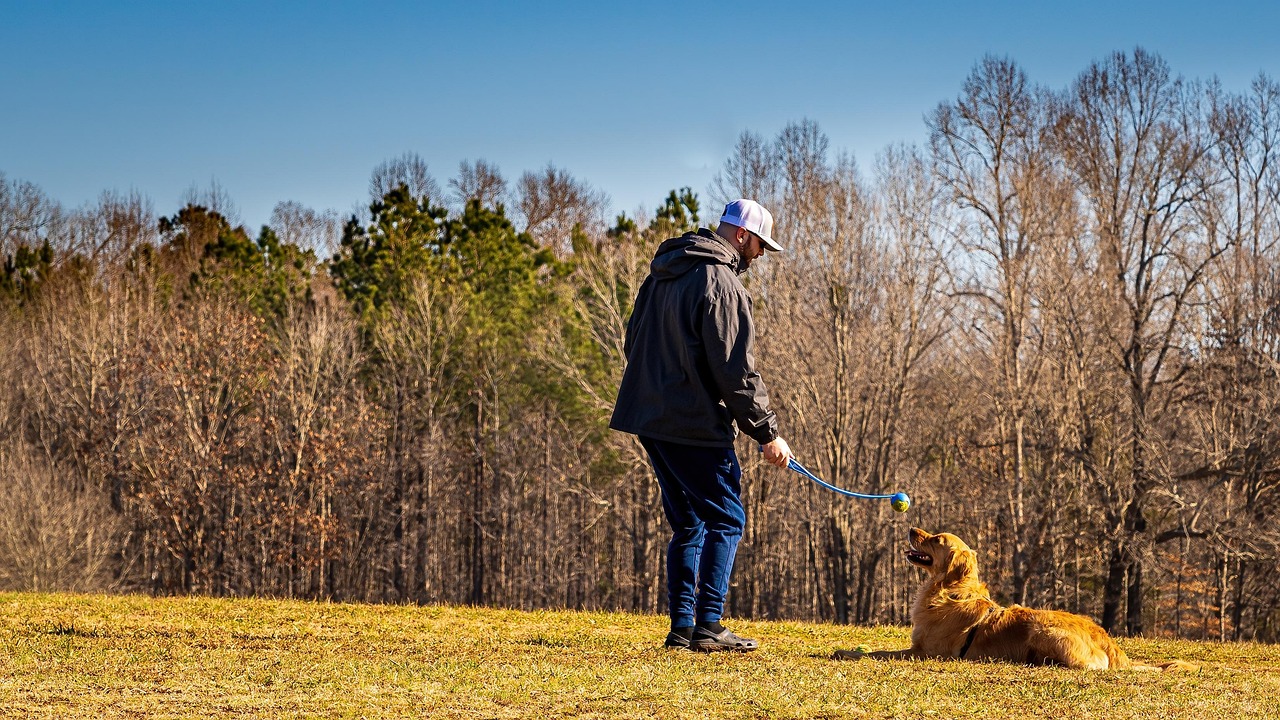
Incorporating play into search and rescue training can profoundly impact a dog’s performance. Engaging methods can enhance the bond between the handler and canine, facilitating quick learning and improved response times. Activities like fetch or tug-of-war serve not just as bonding experiences but also develop critical skills needed in a search scenario. For example, while playing fetch, a dog learns directions, object retrieval, and focus under pressure. Ensuring that training sessions are playful helps reduce stress, which can significantly affect a dog’s ability to learn. Regularly integrating fun games into training allows for enjoyment and reinforces essential commands. Depending on each dog’s preferences, handlers can choose appropriate toys or games. This way, they can customize the learning process to keep the dog motivated. It’s vital to observe dogs during playtime to tailor activities that best suit their interest level. When dogs feel excited and engaged, they tend to perform better in search and rescue scenarios. Continuous adaptation to their playful nature fosters lifelong learning and the development of reliable skills for real-world applications, ultimately enhancing a search team’s effectiveness in the field.
Establishing a positive learning environment through play is crucial in search and rescue training. A relaxed atmosphere encourages dogs to experiment and engage more thoroughly in tasks, thus promoting their exploration instincts. Using familiar toys and engaging activities can alleviate anxiety during training sessions. Dogs often respond better when they feel comfortable. Positive reinforcement is key, and handlers can reward dogs with treats or praise when they complete tasks successfully during play. This method strengthens the association between play, reward, and training. Additionally, introducing challenges during play can sharpen decision-making skills. For example, setting up a mini-obstacle course can help test a dog’s problem-solving abilities in a fun context. Varying the structure of sessions will keep dogs alert and eager to participate. The versatility of play allows handlers to experiment with new commands or skills within a familiar framework. As they foster creativity in training sessions, handlers can develop their dogs’ abilities to adapt to new situations they may encounter in real-world search scenarios. Utilizing play as a tool unites enjoyment with serious training, establishing a solid foundation for reliable search and rescue actions.
The Role of Play in Skill Development
Play is not merely a distraction; it serves as a crucial element in refining skills vital for search and rescue operations. Engaging dogs in play can effectively highlight their natural abilities and inclinations as they tackle various challenges. Through positive interactions, dogs develop skills like tracking, scent discrimination, and agility, which are essential in search and rescue scenarios. Each playful session allows handlers to observe dogs’ behaviors and traits, enabling them to focus training on their dog’s strengths or weaknesses. Encouraging dogs to solve problems while playing can lead to enhanced analytical skills. For instance, using scent trails while playing hide-and-seek can refine their tracking abilities in a dynamic and enjoyable way. Furthermore, blending physical and mental challenges during play keeps dogs stimulated, ensuring that both aspects of their training are addressed concurrently. Aiming to strike this balance can lead to well-rounded canine performers. Handlers should constantly evaluate their training methods to maximize effectiveness. An engaging approach fosters progress while ensuring the dogs remain motivated and eager to participate, ultimately resulting in a more successful search and rescue experience.
Building a solid foundation for essential skills through play can enhance the overall capabilities of search and rescue dogs. It’s critical to approach training holistically, encouraging not just physical prowess but also cognitive growth. Engaging dogs in varied play sessions can bring out unique talents, enabling handlers to leverage these traits during search missions. For instance, a dog that excels in fetching might develop exceptional retrieval instincts that translate directly into search scenarios. In turn, encouraging these natural behaviors can boost confidence in training situations. This confidence then manifests when responding to search tasks in real-life environments. To maintain these skills, incorporating frequent play sessions within regular training schedules is beneficial. Variety in games can stave off monotony while challenging dogs to refine their abilities continually. Moreover, handlers must adapt training according to each dog’s individual preferences and play styles. Assessing how a dog reacts to various forms of play can guide handlers in tailoring methods best suited for engagement. Ensuring environments remain dynamic helps dogs stay enthusiastic and invested in their learning process, ultimately promoting better performance during actual searches.
Progress Tracking Through Play
Tracking progression in search and rescue training can be more effective when utilizing play as part of the evaluation. Observing dogs during various play activities provides key insights into their development. Handlers should document progress, paying close attention to how dogs approach unfamiliar tasks during play. Improved performance in playful settings often correlates with increased confidence levels and skill mastery. Therefore, incorporating a playful environment while evaluating allows for authentic representation of a dog’s capabilities. A consistent play schedule can iron out weaknesses discovered throughout training, particularly in stressful situations. Through play, dogs reveal their natural instincts and behaviors. Tracking these elements through observations can help discover optimal methods for reinforcing training milestones. For example, dogs that face challenges head-on without hesitation may possess strong problem-solving skills. Conversely, handlers can identify anxious reactions to certain challenges and adapt training accordingly. As handlers navigate these differing responses, they cultivate a more personalized and effective approach to training using play as an essential tool, thus assuring the best possible outcomes when deploying their dogs in actual search and rescue scenarios.
The interplay between play and training ultimately enhances search and rescue dog effectiveness. Positive play experiences contribute significantly to a dog’s willingness to engage and perform tasks assigned during missions. Handlers should strive to maintain this balance between training and enjoyment, ensuring a comprehensive learning experience for their dogs. As dogs build resilience during playful activities, they develop essential coping strategies for handling pressure in high-stress environments. This can enhance communication between handler and dog, enabling smoother transitions during real-life situations. Additionally, fostering this relationship through play encourages loyalty and trust, which are vital in maintaining both morale and efficiency during just about every mission. Engaging play also serves as a motivational factor in reinforcing learned skills over time. Using this model can inspire creativity in training, promoting continued growth and skill enhancement by focusing on dogs’ innate tendencies. Thus, searching and rescuing becomes a more collaborative effort wherein every participant is driven to succeed. Finally, handlers that embrace the power of play create resilient search and rescue teams ready to face any obstacle, ultimately increasing mission success rates across various scenarios.
Conclusion: The Impact of Play on Search and Rescue Training
Utilizing play within the scope of search and rescue training fosters an innovative and effective approach toward enhancing canine capabilities. Key to this success is the recognition of play as essential rather than secondary modalities in training systems. Facilitating enjoyable interactions naturally brings forth a dog’s best traits, promoting a more enjoyable learning path. As handlers focus on building a nurturing environment where dogs can thrive through play, they can also see a tangible improvement in performance during critical missions. The methods discussed reveal multiple layers of benefits both dog and handler experience while training dynamically. Play not only fortifies skills but also creates lasting associations through positive reinforcement, ultimately ensuring dogs approach tasks with enthusiasm and diligence. Training should evolve alongside a dog’s personality, ensuring handlers adapt their methods as dogs grow, becoming seasoned professionals. Recognizing play’s pivotal role validates mental stimulation’s significance in the overall training landscape. Emphasizing enjoyment during training aids in creating connections, thus enabling search and rescue teams to achieve success together while navigating real-world complexities and challenges with greater ease, agility, and confidence.