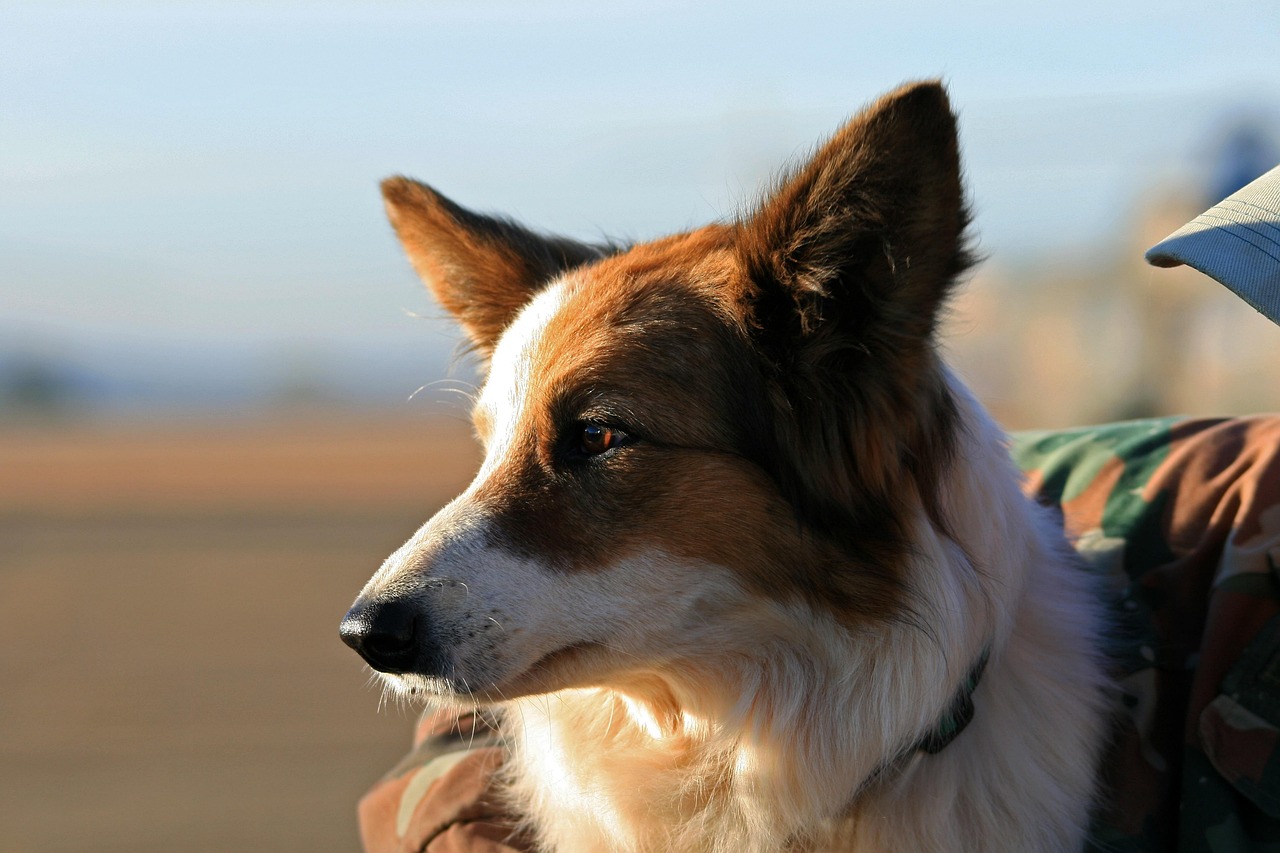

Essential Tips for Traveling with Service Dogs
Traveling with service dogs can be an enriching experience, offering comfort and assistance. It’s essential to plan well to ensure a smooth journey. First, understand the laws surrounding service dogs in various locations you may visit. The ADA defines a service dog as a dog trained to assist individuals with disabilities. This includes tasks like retrieving items or providing mobility support. Research your destination’s regulations regarding accommodation possibilities and transportation rules. Call ahead to hotels, asking about their pet policies for service dogs. Additionally, ensure that your service dog’s identification is up-to-date, as well as their training certifications, if applicable. This can facilitate smoother interactions with staff. Also, consider the dog’s comfort and needs during the trip. For instance, pack essentials like food, a leash, and waste bags. Having proper documentation handy can ease any concerns, particularly in settings where service animals must be acknowledged. Always remain calm and educate others about your dog’s purpose. It’s important that your service dog is well-behaved in public, as this reflects positively on open acceptance of assistance animals in society. Lastly, remember to have fun! Traveling can be an unforgettable experience.
Next on the list, ensure your service dog is prepared for travel conditions. This includes acclimating them to unfamiliar environments and sounds that may be faced on the journey. Before the trip, rehearse short outings to help your dog get accustomed to various travel scenarios. For air travel, familiarize yourself with the airline’s policies regarding service dogs. Major airlines must allow service dogs in the cabin, but they often request documentation. Hence, check their requirements to avoid issues at the airport. If driving, ensure the vehicle is comfortable for your dog. Consider using a dog seatbelt or carrier to maintain their safety during transportation. Schedule frequent breaks for water, bathroom needs, and exercise to keep your dog content. This care will help them remain calm throughout the journey. Additionally, always carry a travel medical kit that includes your dog’s medications and basic veterinary supplies. In case of emergencies, knowing the nearest veterinary clinics at your destinations can ease anxiety. Following these prep steps prepares you both for a successful trip, enhancing the enjoyment of traveling together while minimizing stress. With proper preparation, your service dog can be a great travel companion.
Accommodation Considerations for Service Dog Owners
When seeking accommodation, inquire about establishments that are familiar with service animals. You have the right to stay in accommodations with your service dog without extra charge. Start by using travel websites that cater to pet-friendly locations, emphasizing their service dog policies. Additionally, prepare a polite script to use when you arrive at hotels or lodgings. Inform the staff about your service dog’s status and the assistance they provide. This proactive communication helps clarify any policies about breeds or sizes commonly misunderstood by staff. Carrying an ID card that states your dog is a service animal can simplify conversations. Also, remember to respect the property by ensuring your dog is well-behaved. Always clean up after your dog and prevent any nuisance. Furthermore, it’s important to respect any rules established by the accommodation regarding service animals. By doing so, you foster goodwill that encourages more establishments to welcome assistance animals in the future. In the case of emergencies, have a backup plan with nearby dog-friendly places should your initial choice not work out. This preparation will ultimately lead to a smoother stay and provide peace of mind.
Before traveling, check your service dog’s health status. A quick vet visit can ensure your dog is fit for travel. Update any vaccinations and ask for recommendations on medications that help with anxiety or motion sickness if your dog faces such challenges. Here’s why this is vital: a healthy dog is more adaptable to new environments. The vet may also provide travel documentation highlighting your dog’s health, especially for air travel. Additionally, consider the meals your dog will need while away. Consistency in diet helps prevent digestive issues, so pack their regular food if possible. Moreover, plan a schedule for feeding and keeping your dog hydrated on the road. Carry enough water and a portable bowl to ensure your dog can drink whenever needed. It’s also wise to have treats or toys that help alleviate boredom or anxiety during long trips. Associating travel with positive experiences will foster a better attitude toward future journeys. Keep your dog’s favorite items nearby to help them feel secure in new settings. The comfort and well-being of your service dog are paramount for a joyful travel experience.
Tips for Navigating Airports and Public Transport
Navigating airports and public transportation can be a challenge with a service dog. Upon arrival at the airport, check in with your airline’s service desk early; they can provide instructions that ease your journey. Have your dog leashed and ready to go through security. You may need to carry them through the screening process, depending on the airport’s regulations. Remain patient as you navigate potential obstacles, such as crowded spaces or noise. To help your dog acclimate, spend some time in a quieter area beforehand. Alternatively, adapt training methods to include distractions similar to those seen in airports. Keep your dog close and calm by employing commands that they know well, reminding them that you’re in control. Furthermore, use public transport resources wisely. Ensure you know the rules regarding service dogs for each mode of transport you plan to use. Discuss any travel concerns with staff and always carry an updated service dog ID. Being prepared can help ease travel discomforts, allowing your dog to remain focused on assisting you rather than becoming overwhelmed by surroundings. These tips will instill confidence for both you and your dog during public transport adventures.
Embracing the adventure doesn’t stop at logistics. Mental stimulation is equally crucial for your dog. On the road, offer activities like interactive toys or training sessions to keep their mind engaged. Teaching them new commands or tricks can also be beneficial and transform travel into a fun learning experience. Frequent stops during long trips provide opportunities for physical exercise and exploration. Allow your dog to sniff around safely, which helps release pent-up energy. Furthermore, consider adjusting travel times to fit your dog’s routine. Respecting their natural habits, such as feeding and rest times, minimizes stress. After arriving at your destination, establish a familiar environment for your service dog. Create a cozy, designated space with their bed, food, and toys, making the new location feel like home. Spending time exploring new surroundings together strengthens your bond, making travel memorable for both of you. Always encourage your dog’s innate curiosity while providing structure to your activities. This balance helps ensure a fulfilling travel experience enriched with positive memories. Moreover, your service dog’s well-being is directly tied to your joy, making the journey that much more enjoyable.
Post-Travel Considerations for Service Dogs
When returning home from travel, assess your service dog’s behavior for signs of stress or discomfort. Even well-trained dogs can experience minor anxiety after new experiences. Provide a comfortable environment upon your return, allowing them to decompress and enjoy familiarity. Create deeper relaxation opportunities through gentle activities like brushing, which is reassuring for many dogs. Regular routines should resume promptly to help them readjust to home life quickly. Additionally, reflecting on what worked or didn’t during your travels can inform future plans and adjustments. Take notes on accommodations or outings that were particularly beneficial. Discussing these experiences with others in similar situations can provide insights and share valuable resources. Furthermore, consider scheduling a follow-up vet visit to ensure continued health after travel. This simple step ensures peace of mind regarding possible health effects from the trip. Lastly, share stories and photos from your travels to inspire others about the joys of having a service dog. Remind yourself about the successes of traveling with your furry companion, highlighting the bond established through shared adventures. These experiences can motivate future outings, leading to more enriching journeys alongside your amazing service dog.