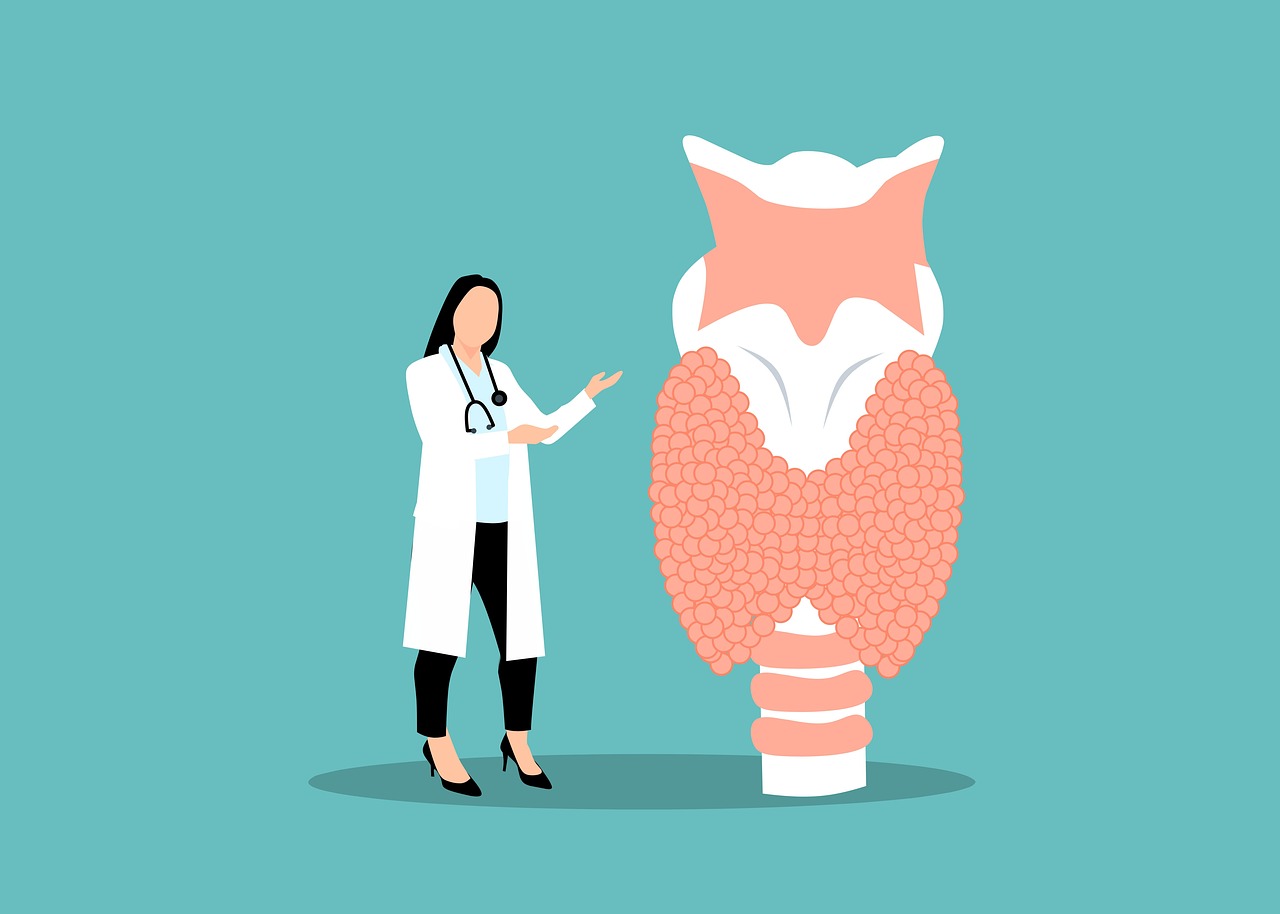

Puppy Hypothyroidism: Signs and Early Intervention
Hypothyroidism in puppies, a condition where the thyroid gland is underactive, can lead to several health problems. Understanding the early signs is crucial as they often go unnoticed. Common symptoms include lethargy, excessive weight gain, and skin issues. Puppies may also exhibit behavioral changes, such as increased sensitivity to cold or decreased activity levels. Early detection is vital for effective management. Regular veterinary check-ups can help identify this condition. A simple blood test can reveal thyroid hormone levels, aiding in accurate diagnosis. It’s essential for dog owners to be observant and proactive about their puppy’s health. If you notice any unusual behavior, don’t hesitate to consult a veterinarian. Additionally, feeding a balanced diet can support thyroid health. Dogs require certain nutrients to maintain ideal hormone levels and overall well-being. Educating yourself about puppy hypothyroidism provides valuable insight into your pet’s health. With proper care, many puppies can lead happy, healthy lives despite this condition. Remember, the sooner you act, the better the outcomes will be for your furry friend.
Understanding the Causes of Hypothyroidism
Various factors can contribute to hypothyroidism in puppies. Genetic predisposition plays a significant role, with certain breeds being more susceptible to the condition. For instance, breeds like Golden Retrievers, Doberman Pinschers, and Irish Setters are known to have higher incidences of hypothyroidism. Environmental factors also influence thyroid function. Exposure to certain toxins or medications can disrupt the endocrine system. Autoimmune diseases can lead to the destruction of thyroid tissue, resulting in hormone deficiencies. Puppies that experience a lack of essential nutrients during their early development stages might also be at an increased risk. Nutritional deficiencies, particularly in iodine, selenium, and zinc, can significantly affect thyroid health. Ensuring that your puppy receives a well-balanced diet is key. Homemade diets should be carefully formulated to prevent any dietary imbalances. Moreover, regular monitoring through veterinarian visits can help catch any signs of thyroid issues early on. This proactive approach ensures your puppy remains healthy and happy as they grow. Educating yourself further on these risks can help in early diagnosis and effective management.
Early diagnosis of puppy hypothyroidism requires keen observation of symptoms. Common signs include weight gain, especially if it occurs despite a normal diet and exercise regime. Lethargy, or lack of energy, is another red flag indicating potential thyroid issues. Furthermore, observe any changes in your puppy’s coat quality; hypothyroidism can lead to shedding, dullness, or even noticeable hair loss. Be aware of skin problems such as dryness, flakiness, or infections, which are closely linked to thyroid dysfunction. Behavioral changes, including increased irritability or sensitivity to cold temperatures, are also significant indicators. Puppies may seem less playful or more withdrawn than usual, prompting concerns about their overall health. Maintaining a log of these symptoms can be helpful for your veterinarian. A thorough discussion about your puppy’s condition can facilitate timely intervention. Regular veterinary check-ups help in tracking the development of these symptoms over time. If diagnosed early, hypothyroidism can be effectively managed with appropriate veterinary interventions. A combination of medication, proper nutrition, and regular follow-ups can help your puppy lead a fulfilling life despite the condition.
One of the most effective treatments for puppy hypothyroidism involves medication. Your veterinarian may prescribe synthetic thyroid hormones, which help restore normal hormone levels. This treatment requires careful adjustment to ensure optimal dosage for your puppy’s specific needs. Regular blood tests will be necessary to monitor hormone levels and adjust medication over time. It’s important to administer the prescribed medication consistently to maintain stable hormone levels. Alongside medication, dietary adjustments can have a profound impact on your puppy’s health. A balanced diet rich in nutrients that support thyroid function is essential. Look for commercial dog foods formulated specifically for thyroid health. Alternatively, consult your veterinarian for personalized dietary recommendations. Exercise is another crucial aspect of managing hypothyroidism. Maintaining a regular exercise regime can help manage weight gain and boost overall vitality. Mental stimulation through training or interactive play is equally important, aiding both physical and mental health. Consequently, creating an environment that encourages active lifestyle choices is beneficial for your puppy’s health. Encouragement, along with care, will assist your puppy in a successful transition to better health.
Monitoring Your Puppy’s Progress
Monitoring your puppy during treatment for hypothyroidism is essential for achieving positive outcomes. After initiating medication, observe for any changes in behavior or energy levels. Enhanced vitality and improved skin conditions are signs that the treatment is effective. However, it may take several weeks before the full effects of medication become apparent. Keep a detailed diary, noting your puppy’s weight, activity levels, and any other significant behaviors. This record will help facilitate effective communication with your veterinarian during follow-ups. Expect to return to the vet for regular blood tests, as hormone levels must be tracked diligently. Each puppy’s response to treatment may vary. Scheduled check-ups will guide the necessary adjustments to medication dosages. During this process, maintaining patience is crucial as optimal health takes time to achieve. Also, explore ways to enhance your puppy’s quality of life through enriched environments and social interactions. Maintain open communication with your vet regarding any concerns during treatment. Demonstrating ongoing commitment to your puppy’s health is paramount for success. Collaborating with your vet forms a team dedicated to ensuring your puppy’s optimal health and well-being.
Support during your puppy’s hypothyroidism treatment journey is vital for successful management. Building a strong support system, including family and friends, can help you stay informed and positive. Educating yourself about the condition empowers you to make informed decisions about your puppy’s care. Connect with fellow pet owners online through forums and social media groups focused on puppy health issues. Assistance from those who have experienced similar challenges can provide valuable insights and encouragement. Moreover, don’t hesitate to ask questions and seek advice from your veterinarian. They can explain the complexities of hypothyroidism and help you navigate treatment options effectively. Regularly share your experiences and concerns; fostering an open dialogue is crucial. Understanding the implications of hypothyroidism on your puppy’s life equips you to handle the situation better. Additionally, consider exploring alternative and complementary therapies. Factors like acupuncture or specific supplements may also support thyroid health, but always consult your veterinarian before adding these options to your puppy’s care regimen. Knowing that you’re not alone in your pet health journey makes a significant difference in facing challenges head-on.
In conclusion, managing puppy hypothyroidism involves a comprehensive approach for improving your pet’s well-being. Early detection, informed treatment strategies, and regular monitoring play fundamental roles in successful intervention. Be vigilant for signs and symptoms to ensure timely diagnosis, allowing for effective treatment and management. Medication and dietary adjustments can significantly improve your puppy’s quality of life. Stay consistent with veterinary appointments, prioritize open communication with health professionals, and build a supportive community of fellow pet owners. Comprehensive support networks enhance emotional well-being during challenging times. Always advocate for your puppy’s health by staying informed, embracing positive changes, and exploring various treatment options. By understanding the condition and knowing how to manage it, you empower yourself and create a nurturing environment. Encourage a proactive approach toward your puppy’s health, ensuring that they can thrive despite their diagnosis. The responsibility of caring for a puppy with hypothyroidism is manageable with the right knowledge and support. Together, you and your veterinarian can navigate this condition, fostering joy and health for your beloved furry companion.
Conclusion: Happy and Healthy Puppies
In conclusion, managing puppy hypothyroidism involves a comprehensive approach for improving your pet’s well-being. Early detection, informed treatment strategies, and regular monitoring play fundamental roles in successful intervention. Be vigilant for signs and symptoms to ensure timely diagnosis, allowing for effective treatment and management. Medication and dietary adjustments can significantly improve your puppy’s quality of life. Stay consistent with veterinary appointments, prioritize open communication with health professionals, and build a supportive community of fellow pet owners. Comprehensive support networks enhance emotional well-being during challenging times. Always advocate for your puppy’s health by staying informed, embracing positive changes, and exploring various treatment options. By understanding the condition and knowing how to manage it, you empower yourself and create a nurturing environment. Encourage a proactive approach toward your puppy’s health, ensuring that they can thrive despite their diagnosis. The responsibility of caring for a puppy with hypothyroidism is manageable with the right knowledge and support. Together, you and your veterinarian can navigate this condition, fostering joy and health for your beloved furry companion.