
The History and Appeal of Black and White Dog Photography
Black and white dog photography holds a unique charm that transcends mere aesthetics. This art form has roots tracing back to the early days of photography, where color options were limited. The use of black and white allowed photographers to capture the essence of their subjects, focusing on texture, emotion, and contrast. Early pioneers, such as Edward Weston and Ansel Adams, paved the way for future photographers, establishing black and white as a powerful medium. Initially, black and white photography emphasized light and shadows, offering a timeless quality to each image. Over the decades, this form has evolved, yet it retains a classic appeal that continues to engage audiences. Pet owners often embrace black and white images of their dogs because these photos tell stories that color sometimes distracts from. The raw emotions captured can resonate deeply with viewers, allowing them to connect with the moment. As technology advanced, the accessibility of black and white photography grew, leading to wider popularity. Consequently, many dog photographers began experimenting with this format, showcasing their craft in new and innovative ways.
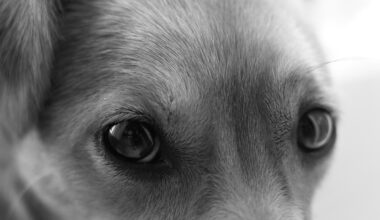
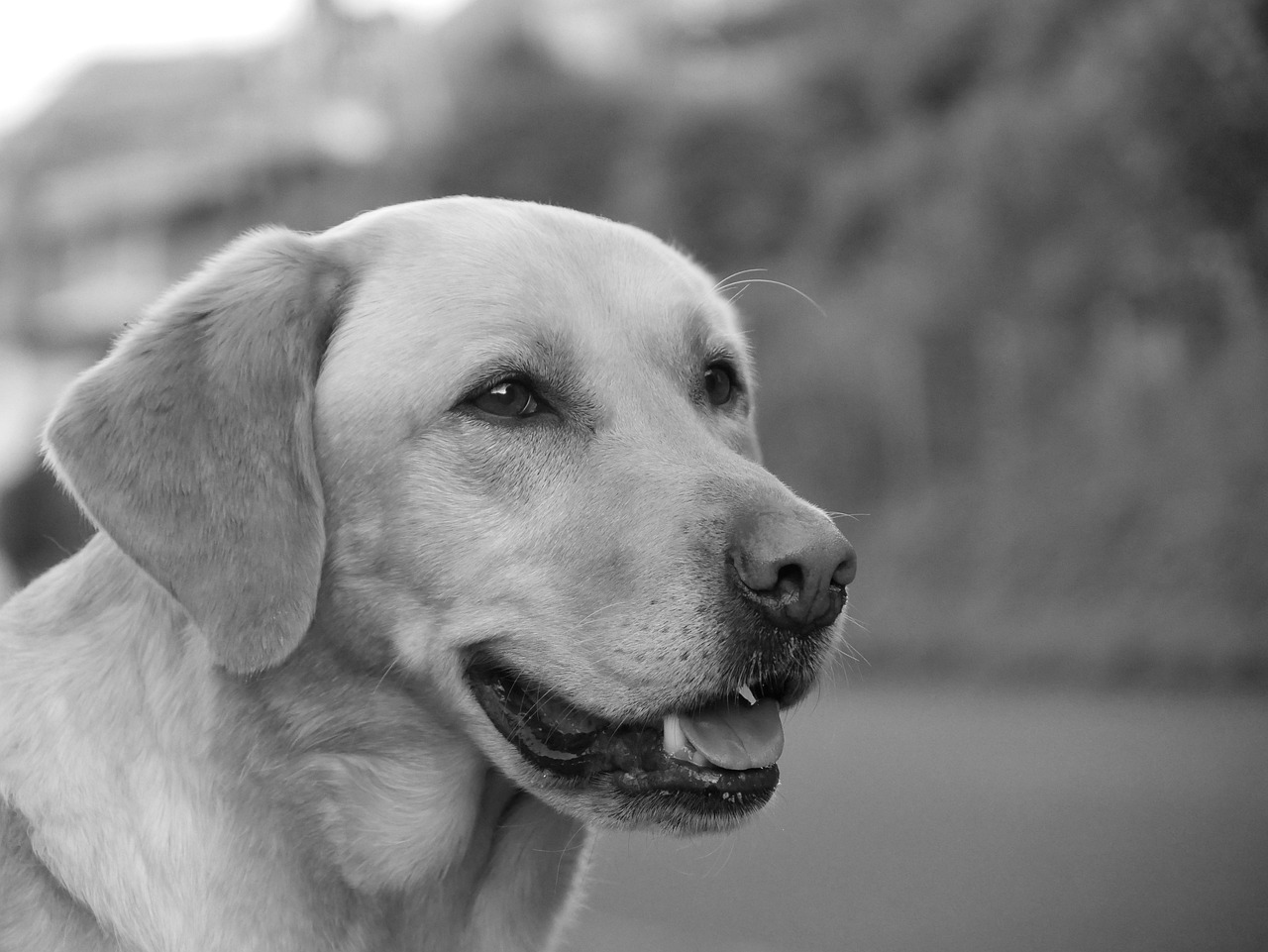
This style has become particularly revered for its ability to highlight a dog’s unique personality. Many photographers now use black and white photography to capture breathtaking portraits that showcase expressions and movements. The lack of color can enhance emotional resonance, helping viewers appreciate the dog’s character. Each photograph tells a compelling story, inviting the viewer to explore the connection between the dog and its environment. Using contrast to highlight features such as fur texture and eye expressions creates a more intimate portrayal. Various styles exist within the realm of black and white dog photography, including documentary-style and fine art. Some photographers employ techniques like long exposure to create dynamic images filled with motion, while others prefer straightforward portraits that highlight the animal’s beauty. In black and white, the absence of color allows photographers to draw attention to underlying patterns and shapes, producing striking visuals. This creativity can turn an ordinary moment into an iconic representation of canine companionship. Overall, black and white photography provides a special platform for expressing the bond between humans and their furry friends.
The Emotional Connection of Black and White Photography
Black and white dog photography enables the portrayal of deep emotional connections between dogs and their owners. In such images, subtle nuances can evoke powerful responses, prompting viewers to reflect on their own experiences with dogs. Unlike color photography, which can sometimes overshadow emotions with vibrancy, black and white images focus on the subject’s feelings and moods. The simplicity of monochrome allows viewers to engage more deeply with the essence of the photograph. A well-composed black and white photo captures the spirit of the dog, making it not just an image but a narrative. Many dog owners appreciate how these images memorialize their pets’ life stories. Frequently, black and white photography is utilized during significant moments, such as birthdays or pet memorials, providing a lasting keepsake. The stillness of the photo resonates with the permanence of memories, creating a treasured artifact meant to evoke emotion. Additionally, artists often experiment with shadows and highlights to dramatize the dogs’ features, enhancing the visual impact. Each photograph can remind us of the joy and love shared, thus reinforcing the significance of the canine-human relationship.
One of the challenges black and white dog photographers face is ensuring that their images convey the right emotions effectively. Composition plays a critical role in achieving the desired outcome; creating impactful images often involves meticulous attention to light and shadow. A well-balanced composition can highlight the dog’s features, drawing the viewer’s eye to the focal point of the photograph. This focus on the dog’s expression can reveal layers of emotion, making the photo compelling. Various techniques, such as silhouette photography, create striking images where the dog emerges as an ethereal figure. By emphasizing light sources, photographers can manipulate the perceptions of color and depth, ultimately crafting an alluring visual experience. Furthermore, contrasting textures become more prominent, thereby enhancing the overall impact of the image. Photographers frequently dedicate hours to processing their black and white photos. Through precision editing, they can adjust tones to create the perfect ambiance. This process allows them to narrate the story in a way that resonates personally for each viewer. The dedication to detail is often what sets exceptional black and white photography apart from the rest.
Technical Aspects of Black and White Dog Photography
Understanding the technical elements of black and white dog photography is essential for creating captivating images. Photographers should focus on lighting when capturing their subjects. Natural light is often the best option, as it creates soft shadows and highlights, enhancing the overall appearance of the photograph. Early morning or late afternoon provides the ideal lighting conditions. It can further draw out details within the coat and eyes of the dog. Additionally, photographers must consider aperture settings, which affect depth of field. A shallow depth of field can blur the background, allowing the dog to stand out prominently in focus. Conversely, a deeper focus setting can include more background elements, creating richer environments. Contrast adjustment becomes crucial in post-processing, as it determines how bold or subtle the imagery appears. By mastering these technical aspects, photographers can elevate their work. They can transform ordinary moments into extraordinary visual stories filled with emotion and passion. Ultimately, knowledge of both camera settings and post-processing techniques significantly contributes to producing stunning black and white dog photography.
Furthermore, many photographers find value in experimenting with film versus digital formats. Each medium offers unique qualities and challenges. Film, while sometimes more challenging, can yield rich and textured results, profoundly impacting the aesthetics of the photograph. Digital photography allows for greater control over editing, making it easier to achieve precise tonal adjustments. Because of this, some photographers opt for digital while emulating traditional film aesthetics through their editing styles. This blending of both forms leads to varied and creative outputs. Moreover, editing software such as Adobe Lightroom and Photoshop provides countless tools, allowing photographers to refine their images extensively. Custom presets can also streamline workflow while maintaining a consistent style. Additionally, the printing process plays an essential role in black and white photography. Choosing high-quality prints on premium papers can enhance the final result significantly. The thoughtful choice of matting and framing can uplift the artwork, showcasing the photograph’s beauty and craftsmanship. Through consideration of these elements, each photograph not only becomes a representation of the subject but also a work of art that tells a story.
Embracing Black and White Photography as an Art Form
As we move forward, black and white dog photography remains an enduring art form worth exploring. Its timeless quality appeals to photographers and dog owners alike. The combination of emotion, history, and robust storytelling continues to attract enthusiasts. Many modern photographers are embracing black and white images to explore their artistic boundaries. They see it as a way to redefine traditional norms in photography. This revival is evident in social media platforms where these stunning images can reach broader audiences. By sharing their captivating visuals, photographers inspire others to appreciate the beauty of monochrome. The simplicity of black and white also challenges viewers to look past color to engage with the emotional aspects of the image. As such, photographers often seek out unique perspectives to convey their passion for dogs. From candid moments to staged artistic portrayals, this medium encourages creativity and experimentation in capturing the essence of canine companionship. This unwavering appeal reinforces black and white photography as a significant expression of how humans and dogs connect. Whether capturing joyful playfulness or serene moments, this art form lasts in its ability to convey our profound emotional ties.
Ultimately, contributing to the longevity of black and white dog photography is the community of like-minded enthusiasts fostering appreciation. Photographers and dog lovers share their work through exhibitions, workshops, and online forums, generating a collaborative spirit that inspires many. Such connections allow vast creativity to flow between artists, encouraging the exploration of various styles and techniques. Through joint projects, photographers can find new insights into their craft, ultimately refining their approaches to their work. These gatherings promote learning and the exchange of ideas, ensuring the art form continues to evolve. Moreover, seasoned photographers often mentor newcomers, passing down valuable knowledge that shapes the future of black and white dog photography. The cultivation of this community reinforces the notion that the relationship between dogs and their humans is a universal experience worthy of documentation. It’s also a reminder of the significant narrative that accompanies each photograph. The storytelling aspect remains an integral part of this artistic journey. Such bonds transform into lasting memories preserved through images. Consequently, black and white dog photography continues to hold a special place in both the art world and canine culture, leaving an indelible mark for generations to come.