
The Science Behind Enzymatic Toothpaste for Dogs
Ensuring the dental health of your dog is crucial for their overall well-being, and using enzymatic toothpaste is a scientifically backed approach. Regular brushing is important, yet many pet owners overlook the impact of toothpaste. Enzymatic toothpaste contains specific enzymes that break down plaque and tartar, preventing various dental diseases. These products utilize natural ingredients that safely clean your pet’s teeth without harmful chemicals. By incorporating such toothpaste into your dog’s hygiene routine, you significantly enhance their oral health. Moreover, these enzymes help in neutralizing bad odors, contributing to fresher breath. It’s essential to choose dog-specific toothpaste, as human products can be dangerous. Always consult your veterinarian to find the best option tailored for your dog’s needs. Using enzymatic toothpaste can also aid in reducing harmful bacteria in their mouths. A clean mouth is not only vital for dental health but can also improve their appetite and energy levels. Pet parents should introduce this product gradually, pairing it with positive reinforcement to create a comfortable experience. Remember to monitor their response and adjust the routine as necessary for optimal results.
Benefits of Enzymatic Toothpaste
Enzymatic toothpaste offers numerous benefits that make them an excellent choice for your dog’s dental hygiene. Firstly, these products are specifically designed to combat plaque buildup effectively. Plaque can lead to severe health issues if not properly managed. Secondly, enzymatic formulations include natural enzymes that actively break down food particles and bacteria. This is different from standard pastes, which may just mask bad breath rather than eliminate the source. Thirdly, they are often palatable for dogs, making daily brushing less of a chore and more of a treat. Many dogs enjoy the flavors, encouraging regular use and adherence to a dental care routine. Fourthly, enzymatic toothpaste can promote overall health and hygiene by reducing periodontal disease risk. Additionally, they are typically free from fluoride and other harmful ingredients commonly found in human toothpaste, making them a safe option. Furthermore, long-term benefits include less severe dental procedures later in life, which can save money and stress for both you and your pet. Finally, establishing this positive practice can create a stronger bond between you and your pet while ensuring they maintain optimal dental hygiene throughout their life.
When selecting an enzymatic toothpaste, it’s crucial to look for specific ingredients that will be beneficial for your dog’s dental health. Ingredients like bromelain and glucose oxidase feature prominently in effective formulas, as they work to break down food particles and plaque effectively. Additionally, check for other beneficial components such as aloe vera, which can soothe your dog’s gums and promote healing. Avoid any products that include harmful additives or ingredients that may be toxic to dogs, like xylitol, which is extremely harmful. It’s advisable to choose a paste that has received veterinary approval or recommendation. This ensures optimal safety and efficiency for your canine friend. Furthermore, various flavors such as chicken or peanut butter can make the experience enjoyable for the dog, often prompting a more compliant brushing session. Besides taste, consistent use is key; encourage this habit early in your dog’s life. Proper education about dental care helps pet owners make informed decisions about their dog’s health. Always consult with your veterinarian to ensure they recommend the best products for your specific pet. Following these guidelines can set your dog on the path to excellent dental hygiene.
Usage Guidelines for Optimal Results
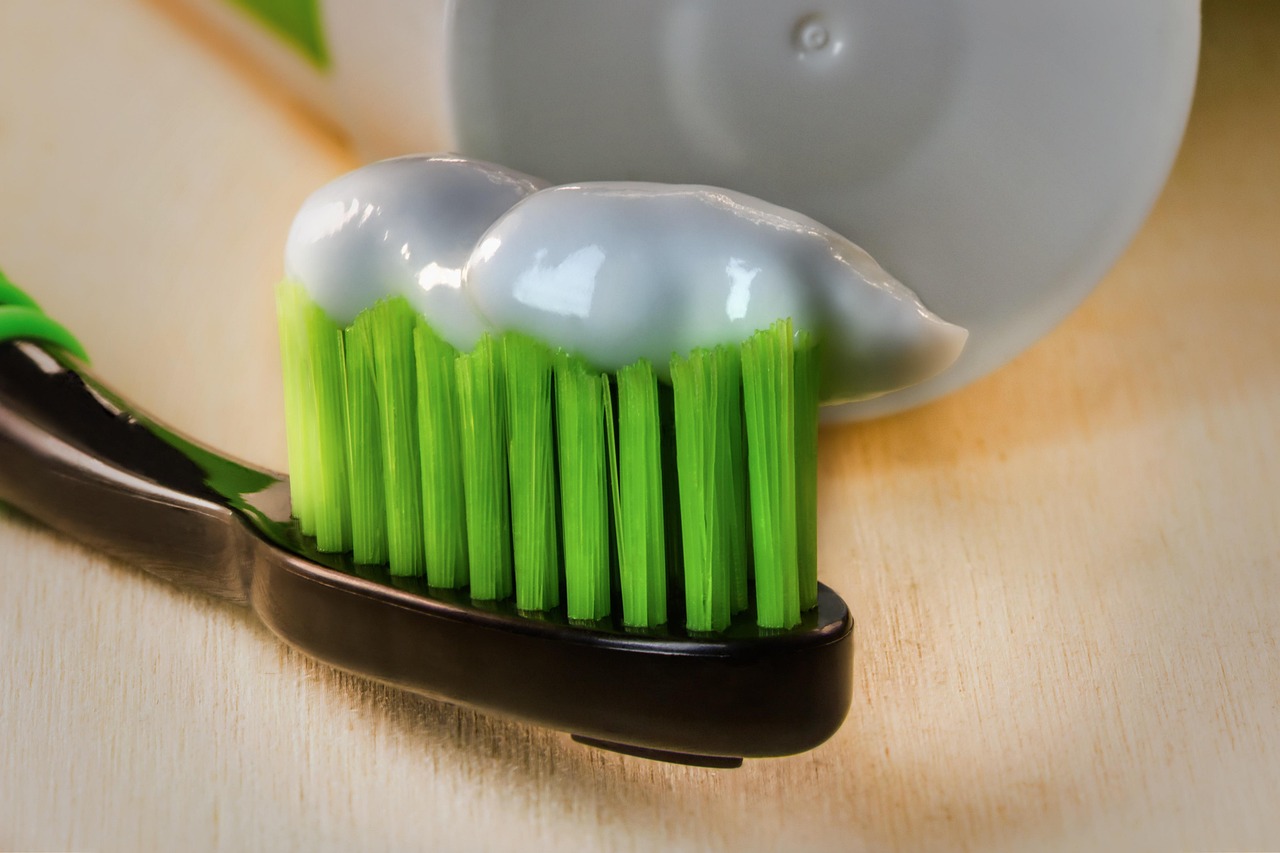
To maximize the benefits of enzymatic toothpaste, proper usage is essential. Firstly, introduce the toothpaste gradually, allowing your dog to get used to the flavor and texture. Start by letting them taste a small amount, mixing it into their food if necessary. Secondly, when you begin brushing, use a specifically designed toothbrush for dogs or a finger brush for enhanced control. Gently reach all areas of your dog’s mouth, ensuring to focus on areas that tend to harbor more plaque. A back-and-forth motion can be effective, while circular motions can reach hidden spots. It’s best to brush your dog’s teeth at least two to three times weekly to minimize plaque buildup. Moreover, persistent bad breath may indicate a dental issue. In such a case, consult with your veterinarian for further evaluation and potentially a dental cleaning. Monitoring your dog’s oral health over time can also help identify issues early, making it easier to address problems before they escalate. Finally, celebrate their cooperation after brushing with treats or playtime to strengthen positive associations.
In addition to enzymatic toothpaste, other dental hygiene products can complement your dog’s oral care routine. Dental chews and toys designed for cleaning teeth should be included, as these help remove debris and provide satisfaction while chewing. Regular dental check-ups with your veterinarian also play a vital role in maintaining a healthy mouth. They can identify early signs of dental disease and provide professional cleaning if necessary. Mouth rinses formulated specifically for dogs can further enhance your dog’s hygiene; they can help control plaque buildup and freshen breath. Avoid using any product intended for human use, as many contain harmful substances. Natural ingredients are increasingly found in various products, so consider those to ensure your pet’s safety. Additional food options such as dry kibble can also assist in scraping away food particles effectively. Always stay informed about the latest advances in pet dental care, as this can significantly affect your dog’s quality of life. Finally, share your knowledge with fellow dog owners to promote better dental hygiene practices within your community. Every small effort contributes to a healthier and happier life for our furry companions.
Understanding Dog Dental Health
Understanding the intricacies of dog dental health is crucial for every pet owner. Just like humans, dogs can suffer from dental diseases, including gingivitis and periodontal disease. In fact, studies show that about 80% of dogs exhibit dental disease by the age of three. This alarming statistic highlights the importance of consistent dental care. Regular check-ups with your vet can help you stay informed on your dog’s dental condition. Furthermore, early intervention can prevent severe consequences, including tooth loss. The mouth is a gateway to overall health; oral bacteria can enter the bloodstream and affect vital organs. Hence, keeping your dog’s mouth clean goes beyond aesthetics; it’s essential for their health. Dietary choices also influence dental hygiene; soft food may be less abrasive than kibble, leading to higher plaque accumulation. Consequently, it’s essential to choose an appropriate diet for your dog, potentially enriching it with dental-friendly products. Make dental cleaning part of your dog’s regular grooming regime. By integrating oral care into your daily routine, you ensure longevity and quality of life for your beloved pet. Don’t underestimate the power of preventive care—it can save your dog from painful and costly health issues.
In conclusion, enzymatic toothpaste is a vital component in maintaining your dog’s dental health. Choosing the right product can make all the difference, ensuring your dog has a positive experience with brushing. Remember that the goal is not only to maintain fresh breath but also to safeguard their overall health. Implementing a consistent oral care routine can prolong your pet’s life while enhancing their quality of life. Regular veterinary visits are essential to identify any underlying dental issues that may not be visible during at-home care. Educational resources about canine dental hygiene can empower pet owners to make sound decisions regarding their dog’s health. Moreover, the connection between oral health and systemic well-being cannot be overstated; healthy teeth and gums can lead to a happier, more energetic dog. As responsible pet owners, it’s our duty to prioritize their hygiene and health. Each small action contributes to a brighter future for our canine companions. By fostering this integral part of their care, we ensure both happiness and health for our beloved pets throughout their lives. Let’s commit to fostering a culture of dental health awareness among dog owners in every community.
Ultimately, investing time in your dog’s dental care will reap immense rewards. Practicing proper hygiene and maintaining a schedule will empower both you and your dog. Discovering new dental care products and strategies is an ongoing journey. New advancements in pet care reveal innovative solutions regularly, providing you with fresh approaches to enhance your dog’s dental health. Engage openly with your veterinarian about emerging products; they can guide you in finding options that work for you and your pet. Stay proactive in brushing your dog’s teeth and exploring holistic solutions, including natural supplements that can support their oral health. With the right tools, products, and knowledge, the path to optimal dental hygiene is achievable. Your pet deserves care that encompasses all aspects of their health, and dental hygiene is a significant component. Thus, embark on this journey with dedication, ensuring that you adhere to regular dental routines that prioritize their health. Share your experiences with other dog owners, spreading wisdom and fostering a community committed to better pet health. Every dog deserves a healthy and happy life, starting with proper dental care.