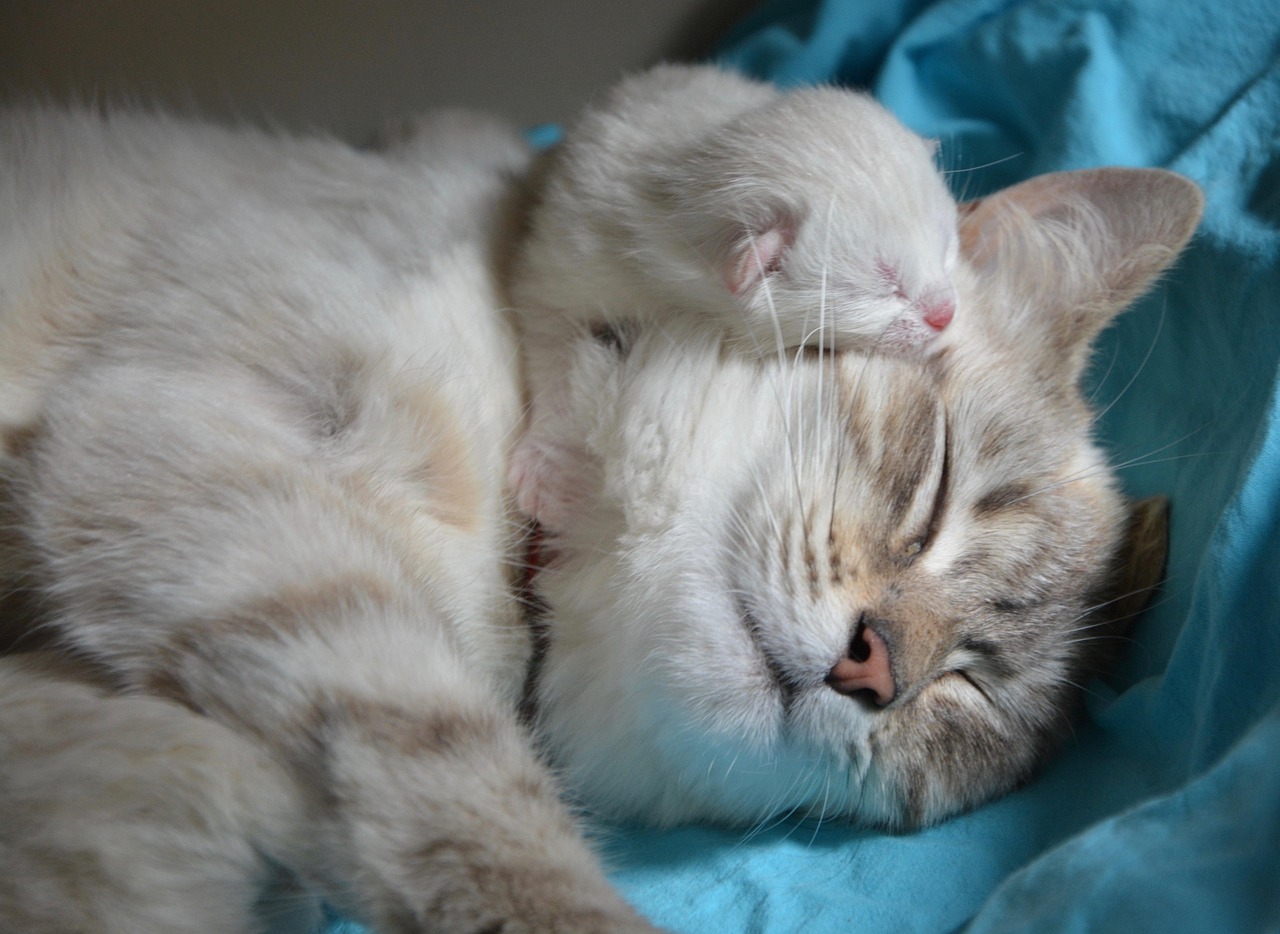

Understanding Kitten Development Stages After Adoption
Bringing a new kitten home is an exciting experience that marks the beginning of a beautiful journey. During this time, it’s essential to understand the various developmental stages a kitten undergoes post-adoption. Initially, your kitten may feel overwhelmed in the new environment, requiring a safe space to adjust. This adjustment period typically lasts several days as they familiarize themselves with their surroundings. Socialization during this period is crucial; exposing your kitten to different sounds, sights, and experiences helps them become well-rounded. During the first few weeks, prioritize gentle handling and allow them to explore without overwhelming them. Gradually introducing toys will also stimulate their natural play instinct. Providing a comfortable, cozy bed can make every transition smoother. Additionally, routine plays a vital role; keeping feeding and playtimes consistent helps your kitten feel secure amidst the change. Regular veterinary checks for health assurance are also essential. Establishing a bond through gentle interaction and play will create lasting trust between you and your new furry friend. In the following paragraphs, we will delve deeper into the essential stages of kitten development to provide a comprehensive understanding of what to expect.
During the first four weeks after adoption, kittens are typically in a crucial phase of their development. During this stage, they are primarily focused on developing their physical skills and social behaviors. Initially, they may still show signs of shyness, but as days pass, curiosity and courage grow. Socialization is vital, so gently introduce them to other pets in the house. Make introductions gradual; begin with short interactions while allowing them to retreat if overwhelmed. Incorporating playful elements during this stage will stimulate their minds and encourage social growth. Provide various toys that engage their hunting instincts, such as balls or feather wands. As their personalities start emerging, you’ll notice preference for certain types of activities—some might enjoy chasing, while others prefer cuddling. It’s essential to observe their unique traits to cater to their needs and preferences. Alongside these playful activities, establish a structured routine including feeding, cleaning, and playtime. This routine fosters a sense of security. Amidst these developments, ensure your kitten’s health with timely vaccinations—essential for their growing immune system and health overall.
Socialization between Weeks Four and Eight
Upon reaching the four to eight-week mark, your adopted kitten is transitioning into a more outgoing phase. This age is crucial for building relationships with you and household members. They start seeking companionship, which is where socialization becomes essential. Introduce them to various people and environments, allowing each interaction to foster trust and comfort. Gradually expose them to different sounds, like vacuum cleaners or doorbells, helping desensitize them to common home noises. Engaging with other pets during this stage can teach kittens vital communication skills. However, be cautious—integration should be supervised to mitigate stress. Interactive play is effective at this age, strengthening bonds while satisfying their playful instincts. Create a stimulating environment filled with climbers, scratching posts, and safe toys. Encourage regular play sessions for skilful interaction, setting aside dedicated time each day. Positive reinforcement aids in shaping their behavior—reward good conduct with treats and affection. Also, consider enrolling them in a kitten socialization class to enhance learning through interactions with other kittens. This nurturing environment supports their growth while preparing them for interactions in adulthood.
As kittens reach the eight to twelve-week mark, they start exhibiting distinctive behaviors and personalities. This period is referred to as the exploratory phase, where their natural curiosity flourishes. Your kitten may spend more time exploring their environment, testing boundaries and seeking stimulation. Providing a variety of safe toys encourages both mental and physical activity. Tunnels, interactive toys, and scratching posts are beneficial additions to their environment. Along with exploration, developing play skills and interactions with toys will enhance their instinctual behaviors. Cats use play as a mechanism to hone in on hunting skills; engaging them in regular play sessions fosters a stronger bond between the two of you. At this stage, they can also begin to respond to commands and cues, setting the foundation for training. Start teaching basic commands such as ‘sit’ or ‘no’. Reinforcement with treats or praise will guide learning outcomes. Monitoring their interactions with people helps assess personality traits. Some kittens might be naturally confident, while others may require extra patience and encouragement. Managing their environment helps create a safe space for learning and exploration, which supports their overall development.
The Role of Play in Kitten Development
Play constitutes an integral aspect of kitten development, significantly shaping their psychology and behavior. During the age of three to six months, your kitten becomes highly interactive and playful in nature. It’s critical to provide engaging and stimulating toys that replicate their hunting instincts. Wand toys, laser pointers, and interactive puzzles can keep your kitten busy while encouraging problem-solving skills. Creating a routine filled with playtime fosters a sense of joy and companionship between you and your new pet. Remember that play is not just about exercise; it enhances their emotional well-being and nurtures their instincts. These playful sessions can easily transition from solitary play to shared activities as they bond with you. Additionally, during group play, consider observing and correcting any aggressive behaviors gently—training them how to play appropriately with others is vital. Introducing cat-friendly games like hide-and-seek or treasure hunts can boost their confidence while keeping them active. Regular interaction and exposure to various environmental stimuli foster healthy emotional development. As they engage in play, be sure to reward good engagement with treats, as positive reinforcement encourages repeat behavior.
As kittens begin to mature, social interactions become increasingly important between the ages of three to six months. Positive exposure to various social situations—including interactions with strangers or new pets—creates well-adjusted adult cats. During this transitional stage, it’s crucial to provide your kitten with experiences that promote trust and prevent shyness. Utilize gradual introductions to new environments to lessen any anxiety. Organizing playdates with other friendly pets can help teach cooperation and sharing, important traits for adult feline behavior. Monitoring these interactions allows for a better understanding of your kitten’s social cues and reactions. It is also beneficial to encourage group play—this nurtures socialization skills while building confidence. As playful behavior continues, ensure to maintain consistency in personality traits, as this fosters a sense of identity over time. Also, engage with them through interactive toys or engage them in skill-building games. These experiences not only provide entertainment but promote mental stimulation as well. Address any behavioral issues with patience and redirecting. The primary goal during this phase is to create a supportive and stable environment as they transition toward adulthood.
Transitioning to Independence
In the final stages of development, around six months to one year, your kitten will begin displaying independent behaviors, signaling a transition toward adulthood. They will start establishing their preferences, routines, and a unique personality. During this phase, monitoring their health through regular veterinary check-ups is crucial—ensure vaccines and spay or neuter procedures are completed. Although independence is encouraged, maintain interactions to foster ongoing bonding. At this age, kittens may initiate play by themselves or prefer quiet time alone, so respect their boundaries. Creating a stimulating environment allows them to explore while still feeling secure in the home. Providing numerous toys to encourage autonomy while remaining connected to you is beneficial. Observing behavior and adapting the environment to meet their developing needs is essential. Introducing cat trees or shelves can promote natural climbing behaviors. Alongside independence, ensure you’re nurturing skills through play and companionship. Reinforcement through routines creates stable groundwork, foundational for lifelong behaviors. Celebrate milestones with gentle affection; these conscious interactions help foster lifelong trust, ensuring that your kitten turns into a confident and loving adult cat.
As a new kitten parent, understanding these stages of development after adoption enhances your ability to nurture your new friend effectively. Creating a joyful, enriching environment significantly influences your kitten’s growth as well as behavior. Maintaining clear, ongoing communication through affection, play, and positive responses fosters a bond, essential for both parties. Through gentle encouragement when introducing challenges, your kitten will develop emotional resilience. Frequent interaction ensures social skills evolve, promoting comfort with both familiar and new experiences. Recognizing and adapting to your kitten’s needs ensures their emotional well-being is prioritized, helping avoid behavioral issues later on. The journey successfully leads to a balanced feline companion when nurtured through these delicate stages. As they grow, be sure to celebrate each achievement, recognizing the transition from a playful kitten to a capable adult cat. Understanding their developmental phases creates a deeper connection between human and cat. In doing so, you lay the foundation for a loving and understanding relationship. Your persistence in nurturing a loving environment paves the way for a lifetime of companionship and loyalty.