
Using Positive Reinforcement While Exercising Multiple Dogs
Exercising multiple dogs can be a rewarding yet challenging task for any dog owner. Implementing positive reinforcement techniques is essential for maintaining safety and discipline while ensuring that your dogs enjoy their time outdoors. Begin by establishing a clear routine that guides your dogs on how to behave during walks or play sessions. Reward them for following commands, being calm, and interacting appropriately with each other. Utilizing treats or praise can effectively encourage good behavior and provide motivation for your furry friends. Consistency is key, as it helps reinforce desired behaviors in your dogs over time. Ensure that every time a task is completed successfully, a reward occurs. Consider using a clicker alongside treats to mark appropriate behavior, enhancing its effectiveness in training. This method not only makes exercising dogs enjoyable but also strengthens the bond between you and your pets. Dogs instinctively seek approval, so your positive reactions help them understand when they have acted correctly. Training sessions should always conclude positively, leaving your dogs eager for the next exercise session and enhancing their enthusiasm for future training and activities.
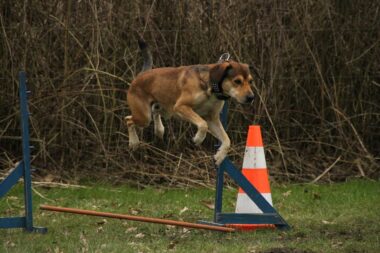
Incorporating fun elements into your exercise routine is vital to keep multiple dogs engaged and active. Try various activities such as fetch, obstacle courses, or structured playdates with other dogs. Introduce elements like toys and games that require cooperation and teamwork among the dogs. Positive reinforcement plays a crucial role in these activities, where you reward them when they successfully complete challenges or work alongside you. Provide praise, treats, or even additional playtime as rewards, reinforcing the notion that exercising together is enjoyable. Keeping sessions short yet engaging will help retain their attention and enthusiasm, preventing boredom. Utilize different locations to add variety to your exercise routine and stimulate your dogs’ senses. Parks, backyards, and trails each offer unique experiences, while also catering to each dog’s individual preferences and energy levels. Adjust the difficulty and type of activities to match the skills of your dogs, ensuring that they remain comfortable while being challenged. Continuously monitor their reactions to each activity, as staying attuned to their needs fosters a positive experience for every dog involved. This adaptability will make the overall exercise process enjoyable and enriching for everyone.
Establishing Clear Communication
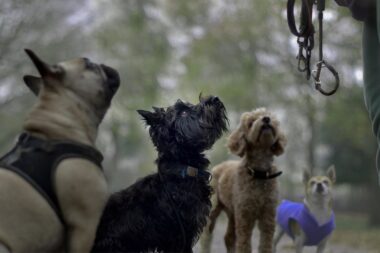
Effectively communicating with your dogs is essential for exercising multiple pets successfully. Body language and vocal cues should be consistent throughout your training exercises. Employ a firm yet calm tone to convey specific commands during walks or playtime, allowing your dogs to grasp the expectations you set. Utilize hand signals along with verbal commands to reinforce their understanding. This combination not only aids with commands like ‘sit’ or ‘stay’ but also helps ease any confusion among your dogs when managing their behavior. Visual signals can be incredibly useful when working with multiple pets, especially in noisy environments where verbal commands might go unheard. Spend time practicing these cues with each dog individually before transitioning to group exercises, ensuring each dog understands the signals. Over time, your pets will learn to anticipate your next move and respond appropriately. Being clear about your expectations will foster respect among the dogs and encourage them to follow your lead. Don’t forget to acknowledge when they understand and respond correctly; doing so amplifies their motivation to obey commands.
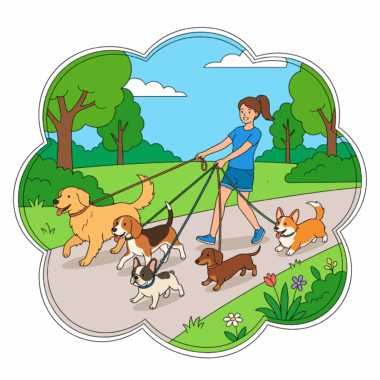
Keeping your dogs safe during group exercise activities is paramount to a successful experience. Before heading outdoors, ensure that your dogs are up to date on vaccinations and are wearing identification tags for safety. Leashes are your best friend in managing groups, preventing accidents or unwanted interactions with other pets. Select the proper leash length for each dog to give sufficient control while allowing them enough freedom to explore their environment. Monitor their play closely, intervening if necessary to maintain a peaceful atmosphere. Watch for signs of stress or discomfort among your dogs, as they may indicate a problem that requires your attention. When introducing new dogs into the group, do it gradually and in a neutral territory where all dogs feel comfortable. Observe their interactions carefully, stepping in to redirect any negative behavior while promoting positive interactions. This proactive approach not only ensures everyone’s safety but also nurtures healthy social dynamics among your dogs. Establish boundaries for playtime to guide dogs towards desirable behaviors, leading to a joyful and fun-filled exercising experience.
Understanding Their Individual Needs
Every dog has distinct exercise needs based on its breed, age, and energy level. Understanding these differences is essential when exercising multiple dogs together to cater to their varying requirements. Pay attention to each dog’s behavior and energy levels during exercises, allowing you to gauge how much activity they genuinely need. For instance, high-energy breeds may require longer and more rigorous sessions, while older or calmer breeds may benefit from shorter, gentler walks. Tailoring the activities to suit each dog’s preferences can enhance the overall experience, encouraging each pet to engage more fully. Use positive reinforcement strategies to encourage participation from each dog according to their unique capabilities. Rotate activities or incorporate individual playtime so every dog receives the necessary exercise while preventing fatigue or overexertion. It’s vital to have alternatives ready should some dogs require breaks while others are still eager to play. This individualized approach will help create a balanced exercise routine, ensuring that every dog feels included and satisfied with their level of physical activity. Building this understanding fosters healthier habits and strengthens bonds among your dogs.
Remember that patience and persistence are your best allies when exercising multiple dogs positively. Dogs might not always get it right the first time, so allow them the space to learn and grow. Training sessions should foster a relaxed atmosphere, where mistakes are viewed as opportunities for learning rather than failures. If a dog exhibits undesirable behavior, redirect their focus using positive reinforcement techniques rather than punishing them. For example, if a dog is barking excessively during an exercise session, divert their attention by rewarding calm behavior instead. Consistently reinforce positive actions to help your dogs understand what is expected of them during these group exercises. Be prepared for setbacks and model how to handle challenges with composure so your dogs learn from your reactions. Involving your furry friends in this learning experience allows them to develop trust and confidence in their responses. Always end each session on a high note, leaving your dogs with a sense of accomplishment. This contributes to a positive bond and makes them eager for future exercise sessions together.
Conclusion: Making Exercise Enjoyable
Creating an enjoyable and safe exercise routine when managing multiple dogs requires thoughtful planning and execution. By employing positive reinforcement techniques, you build a supportive environment that motivates all dogs to engage actively. Always remember to tailor the activities to each dog’s individual needs, ensuring all participants feel included and fulfilled. It is vital to communicate clearly with all your pets, establishing consistency in your cues and expectations. This clarity will ultimately enhance the experience for both you and your dogs. Furthermore, staying observant and being adaptable allows you to manage individual dynamics effectively, nurturing healthy relationships among the dogs. Also, patience is crucial during training, so give your dogs the time they need to learn and adjust to new behaviors. Remember, the joy of exercising multiple dogs comes from building strong connections and fostering a love for activity within them. The rewards of these efforts extend beyond just physical health; they contribute to happier, well-adjusted dogs that thrive in social interactions. Seize every opportunity to enjoy the process together!
In conclusion, implementing positive reinforcement while exercising multiple dogs transforms the experience into a mutual joy. Training requires not just teaching them commands but also establishing a bond built on trust and understanding. The right mix of patience, insight into individual needs, and structured activities lead to successful and enjoyable exercise sessions for both you and your dogs. Embrace the challenge of managing multiple furry friends positively and watch them thrive together in a shared love for activity.