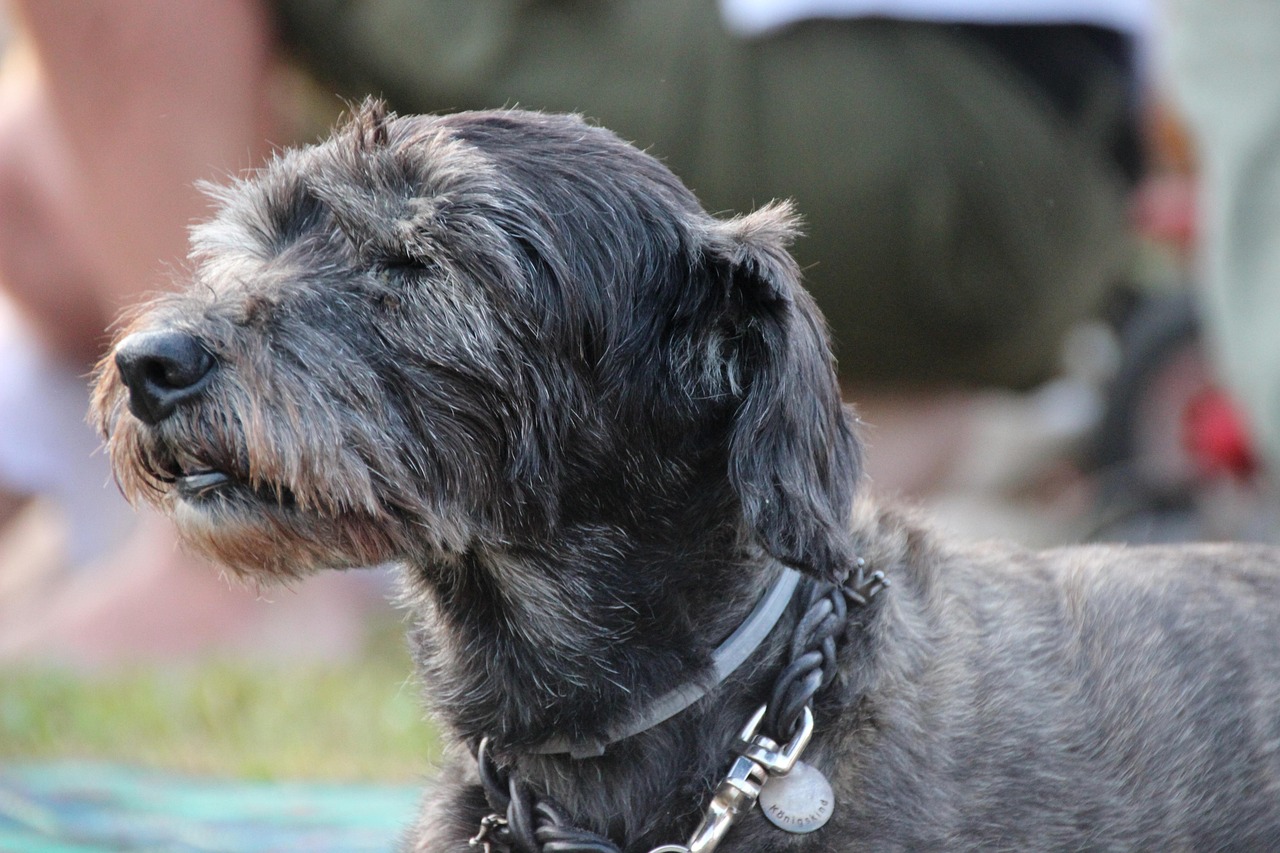

Innovative Therapies for Canine Cognitive Dysfunction
As dogs age, just like humans, they can experience cognitive decline, commonly referred to as Canine Cognitive Dysfunction (CCD). This condition can significantly impact a senior dog’s quality of life. Owners often notice behavioral changes such as disorientation, disrupted sleep patterns, and altered responses to familiar stimuli. Early detection and intervention are crucial. Many veterinarians are now recommending innovative therapies to enhance cognitive function in senior dogs. These therapies range from dietary adjustments to interactive games designed to stimulate mental activity. Such approaches not only help in slowing the progression of CCD but also improve the overall well-being of older dogs. A multi-faceted strategy often yields the best results, combining different therapies to cater to the unique needs of each dog. By ensuring mental health and stimulating the brain, these therapies can lead to happier, healthier senior dogs while easing some of the strain on caregivers. Positive interaction enhances the bond between dogs and their owners, which can be especially beneficial during challenging times. Prioritizing cognitive health improves both the dog’s mental sharpness and the dynamics of the household.
One innovative treatment method gaining popularity is the inclusion of cognitive-enhancing diets. These diets contain antioxidants, omega-3 fatty acids, and other nutrients believed to support brain health. Foods enriched with these critical components can promote neuronal health, reduce inflammation, and improve blood flow. Many pet owners are opting for special formulations designed specifically for senior dogs to combat cognitive decline. Supplementation often accompanies these diets, offering additional benefits to canine cognitive function. Supplements might include phosphatidylserine, a nutrient found to support cognitive function and memory. Additionally, antioxidants help neutralize free radicals and protect the brain from oxidative stress. Regular feeding of appropriate dog food can play a pivotal role. To get the best results from a cognitive diet plan, it is advisable to consult with your veterinarian for a tailored approach. Incorporating smart diets can lead to noticeable improvements in behavior and alertness among senior dogs. With the proper nutrition, many dogs can regain their youthful vigor and zest for life. Attending to a senior dog’s dietary needs is thus an essential step in ensuring they maintain a good quality of life.
Enrichment Activities for Cognitive Health
Engagement in mental stimulation activities is key to managing Canine Cognitive Dysfunction. Enrichment activities can take various forms, from puzzle toys to scent work, producing positive interactions for dogs. Puzzle toys are particularly popular; they challenge dogs to solve problems to access treats within. This not only fuels curiosity but also pushes the dog’s cognitive limits. Scent work taps into a dog’s natural instincts, allowing them to utilize their powerful sense of smell while keeping their mind engaged. Training sessions can also be beneficial. Teaching new commands and tricks helps sharpen cognitive skills while forging a deeper bond with the dog. Group classes provide social enrichment, further enhancing mental stimulation. On weekends, consider planning activities such as dog-friendly hikes or park visits that can promote exploration and new scents. Challenge your dog’s cognitive abilities regularly to maintain their sharpness. Incorporating these activities into daily life can motivate staff and dog alike, leading to a healthier lifestyle. The more stimulating the environment, the less likely a dog may experience boredom, thereby reducing instances of stress often associated with cognitive decline.
In incorporating innovative therapies, pet owners should also consider the power of environmental modifications. Creating a safe, stable, and stress-free space can be tremendously beneficial for senior dogs suffering from CCD. Arrange familiar furniture in easily recognizable layouts, allowing dogs to navigate their surroundings with less confusion. Sudden changes to their environment can cause disorientation, exacerbating cognitive issues. Moreover, consider the auditory and visual experiences you provide. Some dogs may respond positively to soothing music or sound therapy that can bring calmness. Creating a designated quiet area can also be beneficial where dogs can retreat when they become overwhelmed. Regular routines promote reassurance and familiarity, greatly enhancing a senior dog’s sense of security. In some cases, simple strategies such as using carpets or mats with different textures can help guide a dog through changes in terrain. Furthermore, minimizing loud noises and distractions in their environment can lead to reduced anxiety. Finding that balance of mental and physical engagement while ensuring a predictable environment will greatly enhance their day-to-day experiences in life and help preserve cognitive function.
The Role of Veterinary Consultation
Regular check-ups with a veterinarian specializing in geriatric care is advisable. They play an important role in diagnosing Canine Cognitive Dysfunction early. Using specific behavioral assessments, veterinarians can better identify the unique symptoms each dog may present. Diagnostic tools like blood tests can help rule out other medical issues, allowing for tailored treatments focused on cognitive health. Engaging a veterinarian opens up opportunities for additional resources, such as referral for behavioral specialists or neurologists and various health resources. They can suggest beneficial therapies, dietary plans, and that vital support system for caregivers. Furthermore, discussing any behavioral concerns can lead to overall strategies that improve quality of life for both the dog and its family. As new treatments and therapies develop continually, staying informed is vital. Resources such as support groups and online forums offer additional perspectives and experiences from other dog owners. Utilizing these support systems can present a wealth of knowledge on how to approach and manage cognitive health effectively. Consulting regularly not only addresses medical concerns but also reinforces a proactive approach to senior dog care.
Anti-anxiety medications can be a suitable option for some senior dogs experiencing anxiety due to cognitive dysfunction. These medications can help balance mood and behavior, enabling a more peaceful state of mind. Medications like Clomipramine can be helpful, but requiring a vet’s prescription is essential; close monitoring of side effects during treatment ensures safety. Consulting with a veterinarian allows owners to discuss the potential benefits and risks associated with any medication approach in senior dogs. Dogs with CCD may benefit from behavioral modification techniques paired with medication for a comprehensive treatment plan. Such combinations can offer significant behavioral improvements, leading to a higher quality of life for older dogs. Complementary therapies like acupuncture or massage might also support relaxation and cognitive health. Exploring holistic options can lead to remarkable improvements in behavior and well-being. A personalized approach, considering the dog’s symptoms, physical health, and lifestyle, is vital to success with any treatment plan. Evaluating both the behavioral and psychological aspects of canine cognitive dysfunction is crucial when creating therapeutic strategies tailored to individual dogs.
Conclusion: Holistic Approaches to Senior Dog Care
Innovative therapies for Canine Cognitive Dysfunction embody a holistic approach to senior dog care, focusing on improving quality of life. The blend of proper nutrition, mental engagement, environmental modifications, and veterinary consultation establishes a comprehensive care strategy. Each dog is unique, and what works for one may not work for another, leading to the importance of individualized care. Observing their behavior closely helps identify any changes early; immediate action can prevent drastic declines in quality of life. Employing a multi-faceted treatment approach leads to better outcomes. With ongoing research, our understanding of CCD continues to evolve, bringing forth new therapies that can significantly enhance dogs’ lives. Engaging community resources will also provide further insights into successfully managing and treating cognitive dysfunction in senior dogs. Each treatment experience provides invaluable knowledge for enhancing effectiveness. By investing time, love, and care, owners can ensure their senior pets continue to thrive in their golden years. The commitment to prioritizing cognitive health paves the way for happier and healthier lives for senior pups.