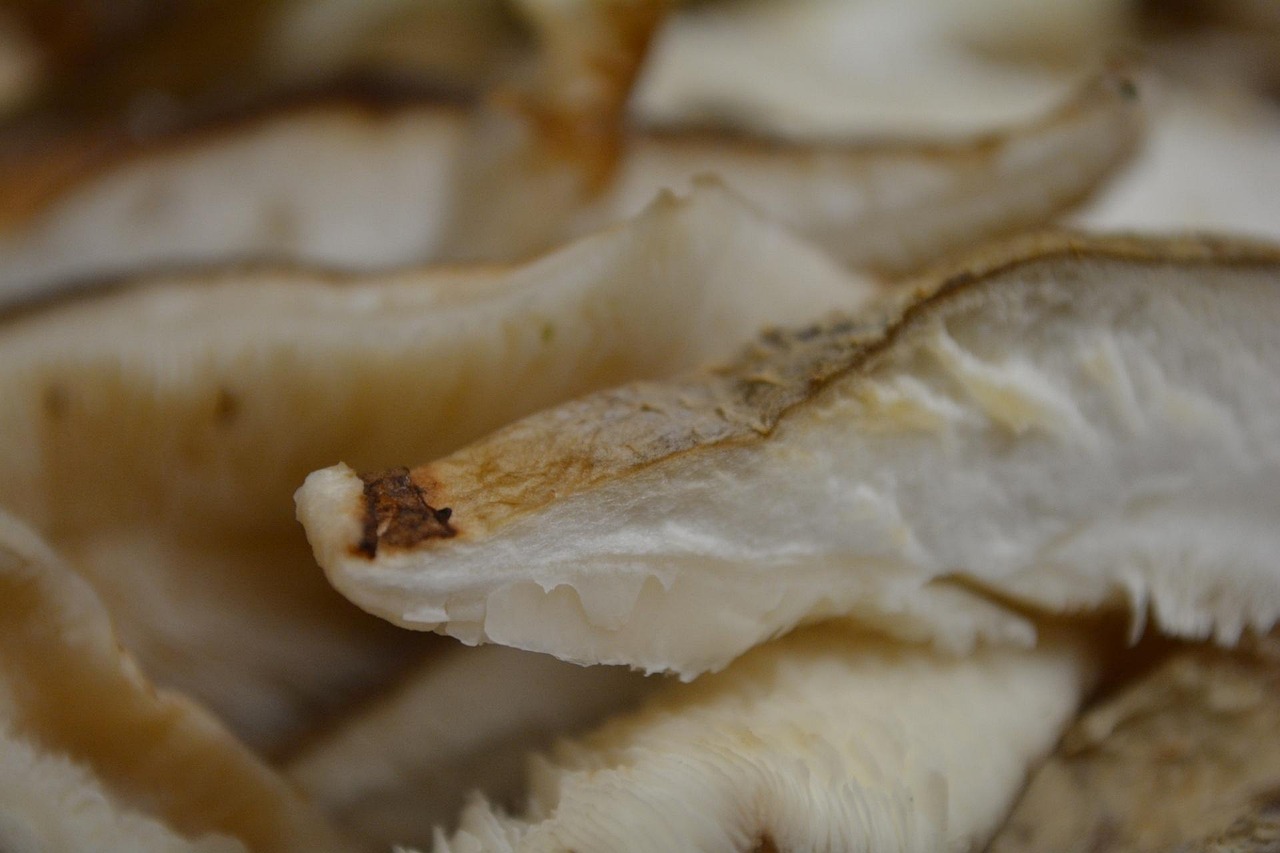

Shiitake Mushrooms and Their Benefits in Dog Nutrition
Shiitake mushrooms, scientifically known as Lentinula edodes, have been hailed for their nutritional benefits for both humans and animals. In dog nutrition, these mushrooms provide a rich source of vitamins, minerals, and antioxidants. Dogs can benefit significantly from the inclusion of shiitake mushrooms in their diet, as these fungi are known to support immune health, enhance skin and coat condition, and promote overall well-being. The polysaccharides found in shiitake mushrooms, particularly lentinans, are known to boost immune function, fighting off potential infections. These mushrooms can also help regulate cholesterol levels, support cardiovascular health, and provide anti-inflammatory properties. As pet owners increasingly seek natural alternatives for their dog’s wellness, shiitake mushrooms stand out as a versatile supplement that can be added to various meals. You might consider integrating powdered shiitake mushrooms into your dog’s diet or finding commercial dog food formulas that include them. However, it’s essential to choose high-quality sources to ensure safety and efficacy. Consulting with a veterinarian before introducing any new supplement to your dog is crucial to ensure it’s appropriate for their needs.
One notable benefit of shiitake mushrooms is their ability to improve digestive health in dogs. Rich in fiber, these mushrooms can aid in the maintenance of gastrointestinal health by promoting regular bowel movements and preventing constipation. Additionally, the antioxidants found in shiitake mushrooms combat free radicals that could harm cellular structures within the body. Integrating shiitake into your dog’s diet may also help mitigate allergies or sensitivities that can cause discomfort. By bolstering gut health, shiitake mushrooms can contribute to the overall nutritional absorption in dogs, leading to healthier, more energetic pets. Many dog owners are making the switch to natural, whole-food-based supplements as they learn more about the harmful effects of certain chemical additives. The implementation of shiitake mushrooms helps bridge the gap between traditional kibble diets and the desire for more holistic pet care methods. Always monitor your dog’s reaction when introducing new foods or supplements in small increments. Remember that not all dogs will react the same way, so persistence and patience are key. With proper incorporation, shiitake mushrooms could become a staple in enhancing your furry friend’s diet, over time yielding substantial health improvements.
Potential Risks and Considerations
Despite the numerous benefits of shiitake mushrooms, pet owners must be aware of potential risks when adding this supplement into their dog’s diet. Firstly, not all dogs may tolerate mushrooms equally well due to individual dietary needs or specific allergies. Some dogs might experience gastrointestinal upset when initially trying shiitake mushrooms. Gradually introducing this ingredient into their meals can help reduce adverse reactions. Moreover, only specific types of mushrooms are safe for dogs to consume. Wild mushrooms can be toxic, leading to severe health consequences. Therefore, it’s vital to source mushrooms from reputable suppliers to mitigate this risk. It’s also crucial to avoid raw shiitake mushrooms, as cooking them can help break down certain compounds that could cause irritation in pets. If your dog shows signs of distress, such as vomiting or diarrhea, after consumption, seek veterinary advice promptly. Furthermore, consult your veterinarian for personalized recommendations tailored to your dog’s unique health profile, life stage, and diet. A veterinarian’s guidance is invaluable for ensuring that shiitake mushrooms align with your dog’s nutritional needs.
Research has shown that shiitake mushrooms can enhance longevity through their positive effects on cellular health. The rich compounds in shiitake can assist in reducing oxidative stress, which contributes to aging in dogs. As dogs age, their defenses against disease may weaken; thus, incorporating mushrooms into their diet can help provide much-needed support. Shiitake mushrooms may also serve as natural anti-cancer agents, as studies have suggested their role in promoting the body’s immune response against tumors. By creating a balanced diet that includes shiitake mushrooms, pet owners can improve their dog’s life quality and extend their lifespan. The versatility of shiitake allows them to be easily mixed with food or used in homemade dog treats. These mushrooms can also be ground into a fine powder, making integration a seamless process. For pet owners keen on holistic care, combining shiitake mushrooms with other superfoods, such as blueberries or spinach, could create a powerhouse of nutrition. Always ensure proper cleaning and preparation methods for these supplements, and consider using organic shiitake when available for the best results. Monitoring your dog’s health and happiness after integrating such supplements is critical for assessing their overall efficacy.
Specific Nutritional Content
Shiitake mushrooms are celebrated for their unique nutrient composition that benefits various health aspects in dogs. They contain essential vitamins, such as vitamin B6, vitamin D, and several B vitamins, contributing to energy metabolism and immune enhancement. Additionally, the minerals found in shiitake, including copper, potassium, and selenium, play pivotal roles in cellular functions and metabolic processes. This nutrient-dense profile gives shiitake mushrooms a competitive edge over other common supplements. For instance, the high selenium content in shiitake mushrooms supports cognitive function and antioxidant defense, vital for aging dogs. Additionally, their polysaccharide content is renowned for bolstering the immune system. Regularly feeding shiitake can help strengthen your dog’s defenses against infections and diseases, promoting overall health and vitality. Owners should explore varied feeds that incorporate shiitake alongside other beneficial ingredients like fish oil and flaxseed, which can further enhance skin health and joint mobility. To retain the most nutritional value, consider steam-cooking or adding them to homemade recipes to provide a wholesome meal experience boosting health benefits. With proper care, these mushrooms can offer exceptional support in maintaining your dog’s overall health as they age.
Many dog owners are actively searching for natural supplements that can support their furry friends in various ways. Shiitake mushrooms have garnered interest due to their growing reputation as a functional ingredient in pet nutrition. Beyond their nutritional advantages, shiitake mushrooms may enhance palatability, making meals more exciting for picky eaters. Dogs often appreciate the umami flavor of mushrooms, which can be especially useful for those struggling with a monotonous diet. By introducing shiitake, pet owners can diversify their dog’s palate while ensuring they consume healthier options. When introducing shiitake mushrooms as a supplement, it is essential to find ways to blend these into your dog’s food effectively. Incorporating them into homemade meals, for example, can provide added flavor and nutritional density. Furthermore, commercial dog food brands are increasingly recognizing the demand for mushroom-based ingredients in their formulas, representing a growing trend in pet food evolution. Look for products that include shiitake among the first few ingredients for maximum benefit. Offering choices that include shiitake encourages better food acceptance and lifelong health for your furry companion, leading to happier, more vibrant lives.
Conclusion: A Growing Trend
As the demand for holistic, health-focused pet care rises, shiitake mushrooms are becoming a staple in dog nutrition. Both veterinarians and pet owners recognize the potential benefits of integrating these fungi into canine diets. Shiitake supplements not only offer health improvements but can also foster preventive care approaches, enhancing the quality of life for dogs. As consumers grow more aware of their pets’ needs, creating custom health plans featuring shiitake may support various health concerns like allergies, joint issues, or immune deficiencies. Pet product companies continue to innovate, utilizing mushrooms in various forms—from powders to treats—to accommodate diverse dietary preferences. Owners should engage with professionals to explore the best ways to incorporate shiitake into their dog’s diet. Educating oneself on the nutritional aspects of mushrooms and their interaction with other pet food components is vital. In conclusion, shiitake mushrooms present promising opportunities for enhancing dog nutrition, promoting longevity, and improving the overall quality of life. By embracing these natural solutions, pet owners can create a foundation for balanced nutrition that bolsters their dog’s health today and in the future.
Moreover, as research continues to unveil the full benefits of mushrooms in dog nutrition, owners should stay informed about the latest findings and products that become available. This evolving landscape offers rich opportunities for enhancing canine diets. Engaging in community forums or discussions with like-minded pet owners can help spread awareness about shiitake mushrooms as nutritional supplements. Exploring reputable sources for further education ensures informed decisions when selecting the best options. By being proactive, pet owners can make the most of the emerging trends while keeping their dogs happy and healthy. As shiitake mushrooms gain more recognition in the realm of pet nutrition, it is crucial for owners to remain dedicated to quality and safety. By continuously being engaged in discussions, researching, and networking within the pet community, they can enhance their dogs’ experiences, ensuring they thrive in a supportive, health-oriented environment. Integrating shiitake mushrooms into your dog’s meals can elevate their dietary choices while potentially avoiding unnecessary vet visits. The path of health through nutrition is a journey that owners and pets share, fostering bonds and bolstering well-being together.