
Socialization and Its Effect on Dogs’ Non-Verbal Communication
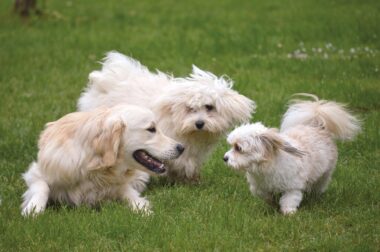
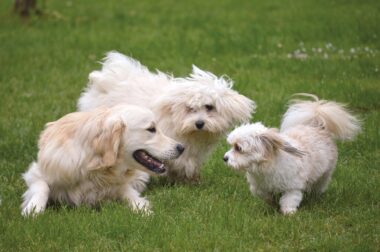
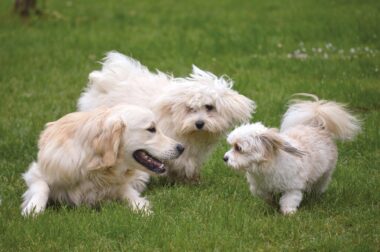
Socialization is a crucial element in a dog’s development, significantly influencing their non-verbal communication skills. A well-socialized dog learns to interpret signals from both humans and other animals more effectively. This process involves exposing them to various environments, sounds, sights, and smells, which prepares them to understand the nuances of body language. Dogs communicate primarily through body posture, eye contact, and facial expressions. For instance, a relaxed dog may wag its tail, showing comfort and happiness. Conversely, a tense stance can indicate fear or aggression. The exposure to multiple social settings allows dogs to understand these signals better and respond appropriately. Furthermore, socialization is not just about encounters with other dogs but includes interactions with people of different ages, sizes, and ethnic backgrounds. This diversity enriches their interpretative repertoire and makes them more adaptable. As you socialize your dog, observe their responses to various stimuli. This will help in reinforcing positive communication behaviors. Owners should also understand the importance of creating positive experiences during these social interactions to promote healthy communication habits in their furry friends.
The Role of Body Language in Dog Interaction
Understanding dog body language is essential for interpreting their communication with other dogs and humans alike. Dogs utilize their entire body to express feelings and intentions, making it imperative for owners to pay attention. For example, a dog may lower its body and tuck its tail when feeling submissive, indicating a peaceful approach. Conversely, a dog that stands tall with an upright tail may be asserting dominance, a signal that can trigger conflicts. Socialized dogs become adept at reading these signals and adjusting their behavior accordingly. This mutual understanding is vital for forming healthy relationships among dogs and between dogs and humans. Owners should engage in exercises with their dogs that reinforce positive body language. These can include playtime activities where dogs learn to approach and retreat, and practice greeting behaviors without aggression. Additionally, dogs that have had positive social experiences are generally more relaxed and comfortable in new situations, leading to a more confident demeanor. By providing opportunities to interact with diverse dog breeds and individuals, owners help their dogs grow as compassionate companions, enhancing their ability to communicate peacefully through body language.
Another crucial factor in dog socialization is the timing of exposure to different stimuli. Puppies, for example, go through critical socialization periods during which they are more receptive to learning. If these experiences are neglected, it can lead to behavioral issues later in life, such as aggression or fearfulness. Thus, early socialization is paramount. A well-socialized puppy learns to distinguish friendly interactions from threatening ones. This knowledge is crucial for surviving in an increasingly complex world filled with new people and other animals. Owners should aim to introduce their puppies to various environments, including parks, urban areas, and homes with children or other pets. Each new experience builds their confidence and social skills. Moreover, ongoing reinforcement through positive experiences can help sustain good communication habits throughout their lives. Regular playdates and training classes facilitate continuous learning and relationship building with other animals, thereby reducing anxiety when encountering unexpected situations. Therefore, it is advisable for dog owners to remain proactive in their socialization efforts to ensure that their furry friends grow into well-adjusted adults capable of communicating effectively. Explore resources like local training sessions to make the process enjoyable for both owner and canine.
Impact of Negative Experiences on Communication
Negative experiences during socialization can lead to long-term effects on a dog’s ability to communicate effectively. For instance, if a dog has a frightening encounter with another dog, they might develop fear-based responses in future interactions. This phenomenon illustrates the importance of ensuring positive social experiences, as dogs that have been roughly treated may display avoidance or aggression as a means of self-defense. Pet owners should be vigilant in recognizing signs of anxiety or discomfort in their dogs, enabling them to address situations appropriately. Developing a trust-based relationship with their canine companions is vital for successful communication. For example, using gentle reinforcement techniques can help your dog navigate social situations, thereby alleviating their fear. Simple measures, such as allowing them to observe other dogs from a distance, can build their confidence gradually. Additionally, engaging in controlled introductions with well-behaved dogs may provide comfort and reassurance for anxious pets. By instilling confidence and resilience through positive experiences, pet owners can mitigate the adverse effects of past traumas. Thus, understanding the impact of negative experiences plays a significant role in nurturing their dog’s social skills, ensuring effective communication throughout their lives.
Furthermore, dogs benefit from continuous socialization throughout their lives. Just like humans, dogs can experience a range of emotions and situations that require ongoing social exposure. Regular interaction with different environments and people helps maintain their social skills. For example, taking them to dog parks or visiting friends with pets can help reinforce positive communication patterns. Additionally, positive reinforcement training can be used to encourage desirable behaviors and reinforce non-verbal cues. Dogs are incredibly adaptive creatures; however, without continuous socialization, they risk becoming anxious or fearful when they encounter new experiences. Owners should also remain attentive to changing situations, such as the introduction of new pets or family members, and facilitate inclusive social interactions. This adaptability is essential for maintaining effective communication throughout a dog’s life. Keeping social interactions enjoyable and rewarding can ensure that dogs continue developing their social skills and confidence. Therefore, fulfilling the social needs of dogs is not only beneficial for their communication abilities but contributes to their overall well-being. Progressive socialization promotes healthy relationships and can significantly enhance their happiness and quality of life.
The Importance of Owner Role in Socialization
The role of the owner in a dog’s socialization process cannot be overstated. Owners serve not only as guides but as the primary source of security during social interactions. Confident and well-informed owners can set the tone for these experiences, positively influencing their dog’s comfort level. Dogs often look to their owners for cues on how to react in unfamiliar situations. For instance, if an owner appears calm and relaxed in a social setting, their dog is likely to mirror this behavior. Conversely, if the owner displays anxiety or stress, the dog may become uneasy as well. Therefore, owners should strive to embody patience and calmness while encouraging their dogs to engage with others. Additionally, education on dog behavior helps owners facilitate successful social experiences. Attending training classes can provide valuable knowledge that can enhance an owner’s ability to recognize and address their dog’s communication needs. By actively participating in their dog’s social journey, owners reinforce the bond they share and pave the way for confident, well-adjusted communication behaviors.
Lastly, the benefits of effective dog socialization go beyond just improving communication; they foster healthy relationships among pets, people, and the environment. Socialized dogs are generally more adaptable and less prone to behavioral issues, contributing to a more harmonious living environment. When dogs can confidently communicate, they are less likely to exhibit aggressive or fearful responses, thereby enhancing their safety and the safety of those around them. Additionally, the likelihood of dog owners having positive interactions with their pets increases, resulting in a stronger bond. Dogs that can engage in smooth interactions with their surroundings are less likely to face abandonment or re-homing issues. Cultivating skills in non-verbal communication through socialization ultimately leads to a reduction in anxiety and stress for both dogs and their owners. This fosters a better overall mental state for everyone involved. Therefore, investing time and effort into a dog’s socialization is a win-win situation. Not only does it help manage communication effectively, but it also enhances the relationship between dogs and humans. Consider the immense rewards of fostering social skills in your canine companions; the journey is equally transformative and rewarding.
Conclusion on Socialization’s Lasting Impact
In conclusion, socialization has a profound impact on a dog’s non-verbal communication skills and overall behavior. By understanding the nuances of canine communication, owners can significantly enrich their pets’ lives and strengthen their bonds. Through positive interactions with various stimuli and other social beings, dogs can learn to express themselves effectively, thus forming lasting relationships. Each interaction provides invaluable lessons, both for dogs and their owners, regarding trust, empathy, and understanding. These experiences shape not only how dogs communicate but also how they perceive the world around them. Ongoing socialization is crucial for developing and maintaining these skills throughout a dog’s life. As pet owners, it is essential to recognize the importance of fostering a supportive environment for their dogs to thrive. Encouraging interactions through positive reinforcement can lead to a more balanced dog capable of navigating various social scenarios with ease. By proactively enhancing their dogs’ social experiences, pet owners have the opportunity to cultivate well-rounded companions that can contribute positively to their families and communities. Ultimately, this dedication to socialization pays dividends in the form of happier, more communicative dogs who enhance our lives as well.