
The Impact of Exercise on Your Dog’s Immune System
Regular exercise is a vital element in maintaining the health of your dog, particularly when it comes to boosting their immune system. Just like humans, dogs require appropriate physical activity to ensure optimal functionality. Engaging in regular exercise not only helps to manage their weight but also enhances cardiovascular health. A dog that leads an active lifestyle enjoys improved circulation, which is essential for proper immune function. Moreover, consistent activity reduces stress hormones, which can weaken the immune response. Therefore, when you exercise your dog daily, it effectively combats potential health issues. A strong immune system can help your furry friend fend off various illnesses and infections, ensuring a longer, happier life. Exercise can include activities like walking, running, or even playing fetch, which are enjoyable for the dog. Each of these activities stimulates the immune system by promoting better oxygenation and nutrient distribution in their body. This process assists in the production of antibodies and white blood cells that are crucial for fighting off diseases. A well-exercised dog is also more likely to be happier and less prone to behavioral problems, reinforcing their overall well-being.
In addition to physical health benefits, regular exercise fosters psychological well-being in dogs. Dogs are social animals and thrive on interaction, whether with humans or other dogs. Exercise provides an excellent opportunity for dogs to engage and socialize, which elevates their mood. Activities such as dog parks, group training sessions, or simply a walk around the neighborhood can lead to positive experiences and strengthen the bond between you and your pet. The mental stimulation gained from these activities can help in reducing anxiety and stress, making your dog less reactive to everyday challenges. An active dog often exhibits a happier demeanor, showcasing a playful spirit and curiosity about the world. This positive attitude directly influences their immune system’s effectiveness. Furthermore, happy dogs tend to have healthier social interactions, which can lower stress levels further. Lower stress hormones contribute to a stronger immune response. Engaging your dog in consistent exercise can foster mental resilience, making them less likely to suffer from fear-based behaviors that often lead to anxiety-related health problems. They will be physically fit and mentally stimulated, supporting a robust immune system while enabling your dog to enjoy a fulfilling life.
Exercise and Weight Management
Another critical aspect of exercise is maintaining an optimal weight for your dog. Obesity is a significant health issue affecting many dogs today, leading to various complications like diabetes, joint problems, and heart disease. Regular exercise plays a pivotal role in weight management, allowing dogs to burn excess calories and maintain a healthy body composition. An ideal weight is essential for a well-functioning immune system, as overweight dogs often experience inflammation, which can impair immune responses. Engaging in regular physical activities can help regulate your dog’s metabolism, ensuring that they utilize their energy efficiently. Incorporating daily walks, playtime, and interactive games can significantly contribute to calorie burning and fat loss. Pet owners should monitor their dogs’ diet alongside exercise routines to achieve the best results. High-quality dog food, proper portion sizes, and limited treats can go a long way in maintaining a healthy weight. It’s crucial to consult with your veterinarian for tailored advice regarding diet and exercise needs, considering age and health conditions. By emphasizing both exercise and diet, dog owners can promote a healthier lifestyle that directly influences the overall immune health of their pets.
Moreover, different breeds have unique exercise needs, which can impact their immune health. Larger breeds often require more extensive physical activity for optimal wellness, while smaller breeds may need shorter, more frequent exercises to remain fit. Understanding your dog’s particular needs aids in creating tailored exercise plans that benefit their immune system. For instance, herding breeds may thrive with rigorous outdoor activities, while companion breeds may require more mental stimulation through engaging games. Each breed possesses distinct energy levels and exercise requirements that must be met to ensure their overall health. Adequate exercises can help prevent behavior issues that stem from boredom or excess energy. Keep an eye on your dog during exercise; they should show signs of enjoyment and enthusiasm. Establishing a routine not only helps meet their physical needs but also reinforces a sense of security. A good balance of exercise and mental activity paves the way for a resilient immune system. Incorporating challenges that promote physical and mental agility enhances their life quality and immunity. Always adapt the exercise regimen as your dog ages or if their health changes. Frequent adjustments ensure they continue to receive benefits irrespective of their life stage.
The Quality of Exercise Matters
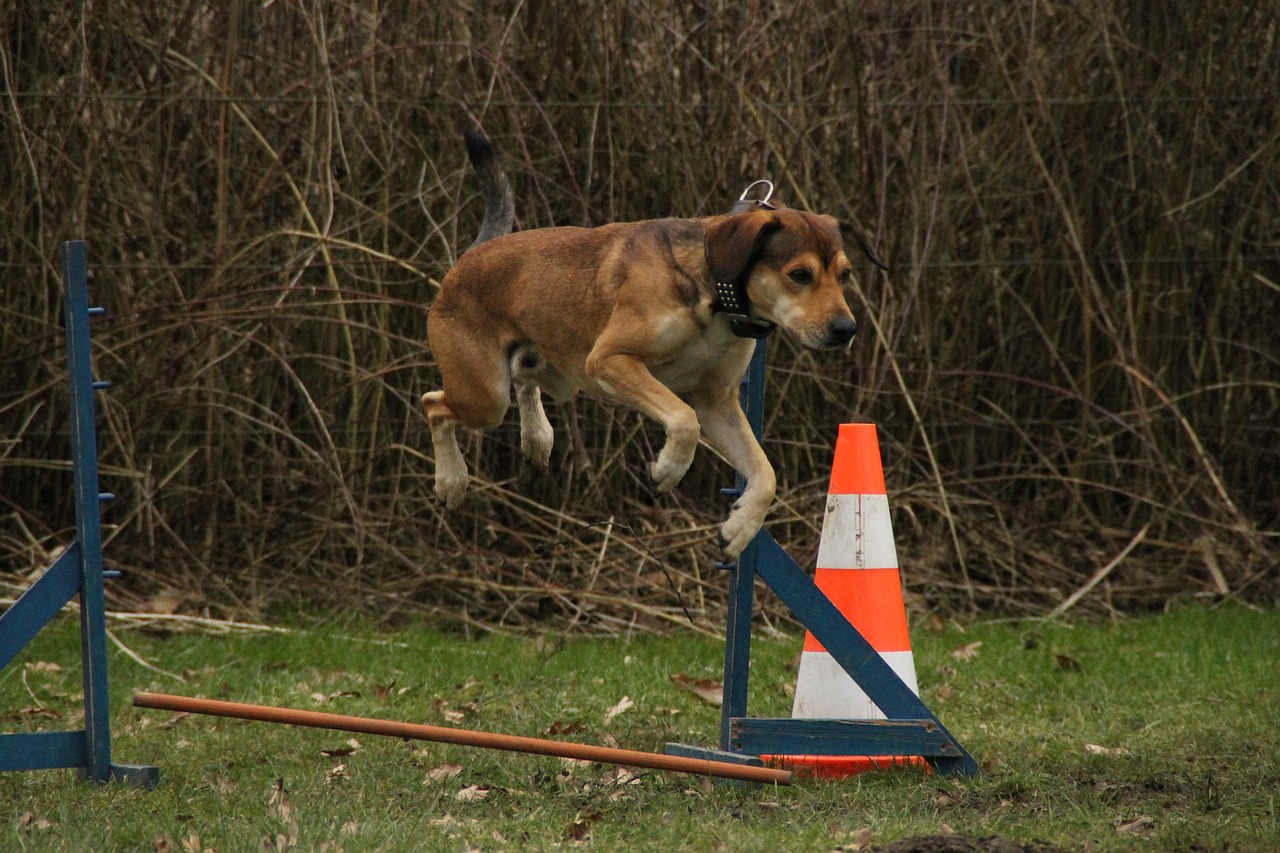
The quality of exercise greatly influences the effectiveness of its benefits on your dog’s immune system. It is essential to engage in various activities that stimulate both body and mind. Boredom is often a factor that diminishes motivation for exercise, leading to lethargy and potential health issues. Incorporating fun and diverse activities encourages dogs to remain active and interested in their routines. Activities can vary from agility courses to puzzle toys that challenge their intellect. Notably, swimming is an excellent option for many dogs; it is low-impact and fantastic for joint health, providing a total body workout. Combine different types of exercises, such as cardio with strength-building activities, to maximize health benefits. During colder months, consider indoor activities like hide-and-seek or interactive games to keep your dog moving. Consistent, quality exercise not only fosters physical health but positively impacts psychological well-being as well. By remaining engaged, dogs exhibit increased confidence while coping better with various stressors. A stable psychological state fortifies their immune system’s resilience. Encouraging your pet to explore different settings and conditions adds to their adaptability, promoting a robust immune response.
Understanding the signs of over-exercising is also vital for maintaining your dog’s well-being. Too much exercise can lead to injuries, fatigue, or stress responses that can negatively impact their immune system. Monitoring your dog’s energy levels and providing rest days is essential, especially after engaging in high-intensity activities. Ensure your dog has access to water and a comfortable place to cool down after exercise. Avoid forcing your pet into activities they’re not comfortable with or that pose risks of injury. Every dog is unique and may require different amounts of rest based on age, breed, and overall health. Observe how your dog reacts during and after workouts to gauge their tolerance. If your dog shows signs of fatigue or reluctance to engage, it may be time to reduce activity. An enjoyable balance of exercise is key—find what your dog loves while ensuring they remain healthy. Adequate rest supports recovery, allowing muscles and joints to strengthen, which ultimately leads to better immune function. The right combination of exercise, quality of activity, and sufficient rest is essential for long-term health and vitality.
Conclusion
In conclusion, the impact of regular exercise on your dog’s immune system is profound and undeniably beneficial. Maintaining a routine of physical activity not only fosters physical health but also contributes immensely to mental well-being. By engaging your dog in various stimulating exercises, you cultivate a happier, healthier companion. Implementing a combination of activities tailored to your dog’s breed and preferences helps manage their weight and ensures their immune system remains robust. Prioritizing appropriate quality and quantity of exercise allows dogs to thrive. Ensure to balance exercise with rest and monitor their behavior to avoid over-exercise. A resilient immune system results from both physical fitness and emotional stability, which can be achieved through a thoughtful approach to exercise. Embrace the power of exercise, and you will witness the remarkable effects it has on your dog’s overall health. Regular outings, engaging play, and mental engagement can lead to healthier lives for your pet. Investing time in your dog’s exercise routines paves the way for prolonged vitality and happiness, allowing them to live life joyfully and actively. Let’s get moving and make exercise a priority for our beloved dogs, ensuring they enjoy a fulfilling life!
Remember to have fun along the way! Exercising together will strengthen your bond as you share joyful experiences. Over time, you may even notice the positive transformations in your dog’s energy levels and behavior. A healthy lifestyle enriched with exercise can lead to a happier atmosphere in your home. As responsible pet owners, we play a crucial role in our dog’s well-being. Let’s embrace this responsibility, not only for their immune health but for their joy and companionship in our lives. Creating an active engagement in your pet’s life reaps rewards—both for them and for you. So, gather the leash and head out for a walk, explore nature, or maybe enroll in a training class together. Find the activities that resonate with both of you, and unleash the joy in your shared playtime. Always remember to mix it up and keep things interesting to maximize health benefits and joy. After all, exercise should be a pleasurable journey experienced together, not a chore. Invest time in understanding what your dog enjoys, as this approach can inspire lifelong healthy habits for you both. You will develop both a healthy dog and create memorable moments along the way.