
The Role of Vibrations in Cat Environmental Awareness
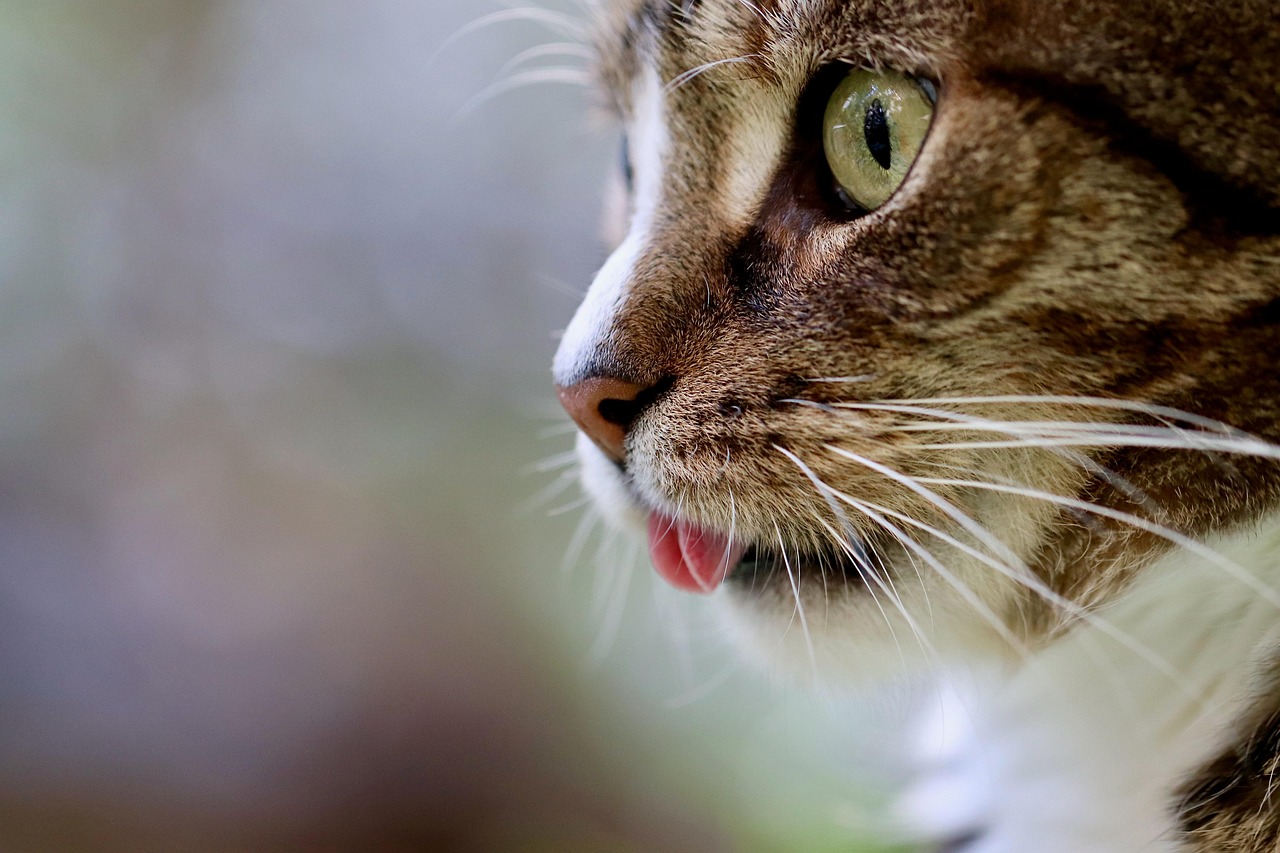
Cats are highly sensitive creatures, often perceiving their surroundings in unique ways. One of the most fascinating aspects of feline behavior is their ability to detect vibrations within their environment. They utilize these vibrations to gain insights into their surroundings, which is vital for their survival. Vibrations, caused by movement or sound, can help cats assess potential dangers or locate prey. For instance, cats possess an extraordinary sense of hearing that enables them to detect high-frequency sounds that are inaudible to humans. This sensitivity allows them to pick up on subtle vibrations that signify nearby movements, giving them an advantage when hunting or avoiding threats. Additionally, cats often use their whiskers to sense changes in their environment, which can pick up vibrations in the air. The intricate combination of their auditory abilities and tactile sensitivity helps them navigate their world effectively. Furthermore, by paying attention to these vibrations, cats can react appropriately to various stimuli, confirming their status as one of nature’s most adept predators. Understanding these aspects can enhance our awareness of how cats interact with their environment.
A primary source of vibrations in a cat’s environment originates from the ground. Cats can detect low-frequency sounds that may go unnoticed by humans. These vibrations can reveal a lot about their surroundings, making cats keen observers of movement. For example, they can feel the vibrations caused by the footsteps of an approaching intruder or the rustling of a mouse nearby. This ability stems from their evolutionary background as solitary hunters, relying on their acute senses to detect prey and navigate their territories. Moreover, possessing such a finely tuned perception is crucial for their survival. Vibrations can alert cats to danger quickly, enabling them to take immediate action when needed. Outdoor cats, in particular, exhibit this behavior frequently, as they constantly assess their surroundings for potential threats or prey. Even indoor cats exhibit heightened awareness to minor vibrations, such as those from household appliances or the movements of other pets. The interplay between their senses and vibrations enhances their cognitive abilities, allowing them to understand their immediate environment effectively.
The Science Behind Feline Sensory Perception
The science of feline sensory perception paints a captivating picture of how cats interpret the vibration-laden world around them. Many specialists argue that cats have evolved to be incredibly attuned to their environments, which is fundamental for their hunting strategies. Their ears are specially structured to capture a wide range of frequencies, particularly those relevant to small animals. Frequencies that produce noticeable vibrations assist cats in pinpointing the exact location of their next meal. Additionally, cats possess the ability to perceive ground vibrations through their paw pads. This sensation helps them gauge the proximity of other animals or even human beings. The design of their whiskers acts as a tactile sensor, enabling them to sense changes in air currents and vibrations. This sensitivity is further enhanced during nighttime, where their overall perception peaks due to natural adaptations. Moreover, cats can process these vibrations swiftly, which plays a key role in their overall survival. Learning about this unique approach emphasizes the value of vibrations in the world of cats and deepens the appreciation for their remarkable sensory capabilities.
In addition to their acute sensitivity to physical vibrations, cats also respond psychologically to the vibrations resulting from their interactions with various surfaces. For instance, the texture of the floor plays a significant role in how they perceive their surroundings. Certain surfaces transmit vibrations that differ from others, affecting their movement and behavior. Cats often prefer softer surfaces for resting and crucially use vibrations to guide their choices in navigating spaces. They may also exhibit caution when walking on unfamiliar surfaces, as vibrations can signal potential hazards or instabilities. Furthermore, the vibrations created by ordinary household items can impact a cat’s comfort levels and decision-making processes. For example, the buzzing of an appliance may cause anxiety in some cats, while others may feel intrigued. Various factors influence their reactions to these vibrations, including previous experiences and individual personalities. Understanding these reactions helps pet owners create environments that cater to their cats’ unique needs and preferences. By paying attention to these environmental factors, cat owners can ensure a harmonious experience for their beloved pets.
Vibrations and a Cat’s Communication
The role of vibrations in feline communication cannot be overstated. Cats communicate through a variety of sounds, such as meowing, purring, or hissing, which can produce vibrations in their immediate environment. These vibrations carry messages not only to other cats but also to humans. For example, a cat’s purr is a low-frequency sound that generates vibrations felt through the ground. This can symbolize contentment or a form of self-soothing when in distress. Other species, like dogs, may react differently to these vibrations, showcasing the species-specific responses to feline communication. Additionally, cats utilize physical touch to communicate, as when they rub against objects or people. This interaction can provide comfort or showcase a desire for attention, emphasizing the vibrations they produce interactively. By understanding the nuances of these vibrations, owners can respond appropriately to their cats’ needs and feelings. Overall, vibrations serve as both a subtle and effective method through which cats express their emotions and intentions, making it essential for owners to become attuned to these cues in their furry companions.
Environmental factors also play a role in the vibrations cats experience and how they interpret these signals. For instance, an outdoor environment is filled with naturally occurring vibrations from various sources such as wildlife, wind, and even human activity. Each of these contributes to a complex web of stimuli, which cats sift through to make sense of their surroundings. Understanding these environmental nuances is vital, particularly for outdoor cats, as it helps them interpret potential risks. For example, the vibrations from rustling leaves or branches indicate the presence of another creature, and they adjust their behavior accordingly. On the other hand, indoor cats face a different set of vibrations that come from their human families and household objects. The varied impact of these cues shapes the way they navigate their home environment, thus influencing their overall well-being. It is important for pet owners to create an environment that reduces potentially stressful vibrations, fostering a sense of security for their pets. Through this understanding, we can enhance the living conditions for cats, ensuring they thrive in their respective habitats.
Conclusion: Embracing Cat Sensory Awareness
In conclusion, the awareness of vibrations plays a vital role in how cats perceive their environment. Through a combination of their senses, cats can navigate their surroundings and respond to various stimuli effectively. The unique adaptations in their sensory systems, including their acute hearing and tactile whiskers, help them interpret vibrations that signal potential threats or opportunities. Whether detecting subtle movements in the grass or responding to vibrations created by household activities, each aspect shapes their behavior. Furthermore, understanding these dynamics allows cat owners to create more comfortable environments and foster better relationships with their pets. By recognizing and embracing feline sensory awareness, we can contribute to their overall happiness and well-being. As our knowledge of cat psychology grows, it becomes increasingly clear how essential understanding these vibrations is in cultivating a nurturing space. By appreciating the intricate ways cats perceive their world, we can enhance our appreciation for these incredible animals and create environments that meet their unique requirements. This insight ultimately leads to a more fulfilling coexistence, where both cats and their humans thrive together.
As the relationship between cats and humans continues to evolve, it is heartening to see increasing emphasis on understanding feline psychology. By learning about their sensory awareness, we can relate better to our pets. Their preferences and needs can significantly shape their behaviors, and recognizing the importance of vibrations reinforces that connection. Moreover, as research continues to uncover the depths of feline perception, it enriches our understanding in both a practical and emotional context. We can use this knowledge to create enriched environments tailored to the sensory needs of our cats. Whether it is providing climbing structures, cozy resting spots, or routine interaction, each aspect can significantly improve their emotional health. Engaging with cats allows us to appreciate their unique capabilities and strengthens the bond between humans and felines. As we delve deeper into the fascinating world of cat psychology, let us strive to ensure our cats’ environments are mindful of their sensory needs. Supporting their emotional well-being contributes positively to their quality of life. Happy cats make for fulfilling human-animal relationships, ultimately leading to happier homes where both species can thrive together. Understanding plays a critical role in this journey.