
Understanding Rare Dog Breeds and Their Characteristics
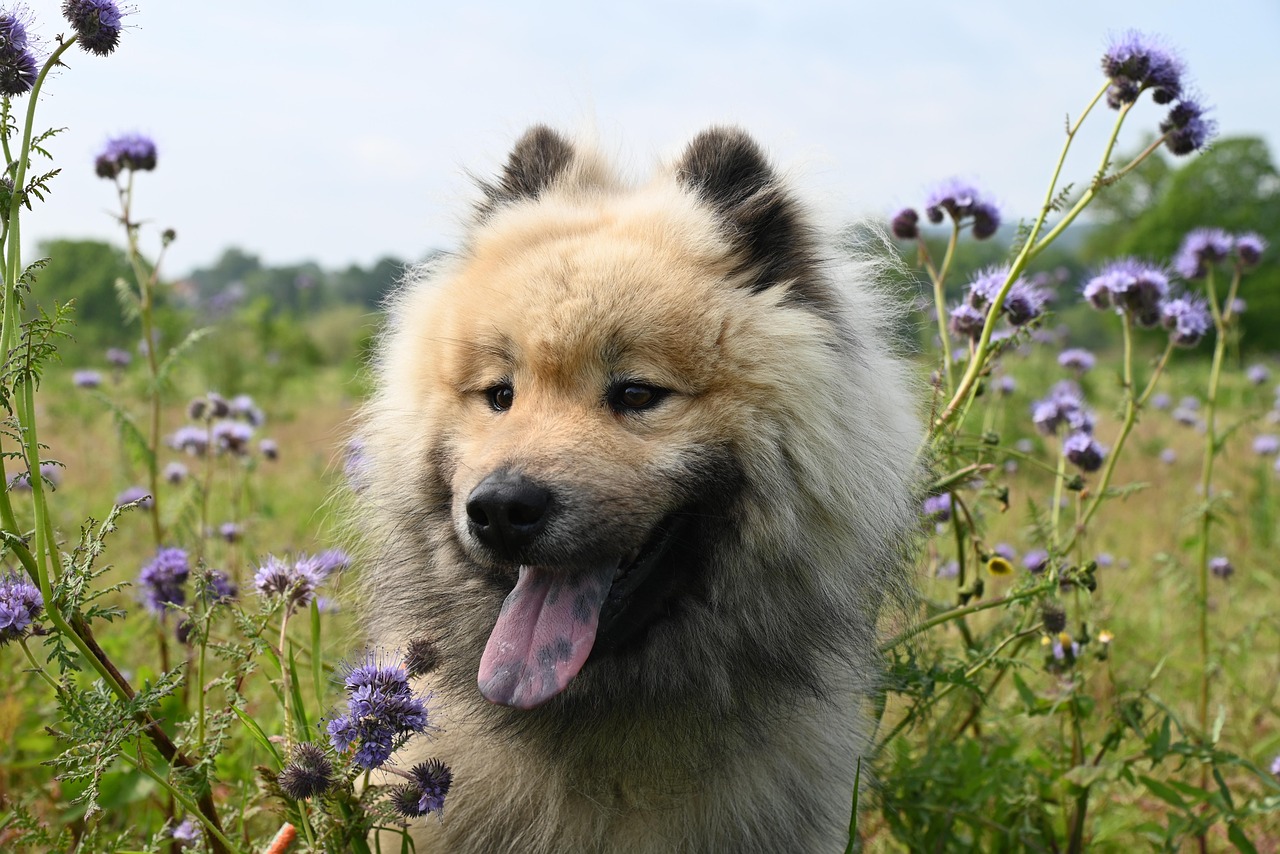
Rare dog breeds are fascinating companions, exhibiting unique traits and characteristics that set them apart. Most dog owners tend to choose popular breeds, leaving many rare types overlooked. These breeds may have made their mark in history or simply developed in isolated regions. Learning about their origins helps appreciate their rarity and uniqueness. Some of these breeds include the Otterhound, known for its excellent swimming ability, and the American Eskimo Dog, which is friendly and intelligent. Many rare breeds adapt easily to various environments but often require specific grooming and care. Owning a rare breed may require extra commitment regarding exercise and socialization. Owners should also research health concerns specific to each breed to ensure they provide the best care possible. Many rare dog breeds are gentle, making them suitable for families. Additionally, finding a reputable breeder is essential to maintain breed quality. Potential owners should attend breed meetups or visit rescue organizations dedicated to rare breeds to gather more information, helping fulfill their desire for a unique canine companion.
Rare dog breeds also present a business opportunity for niche dog trainers and grooming services. Due to their distinct needs, these breeds often require specialized training techniques and grooming methods. For instance, the Kooikerhondje, a small Dutch breed, may need specific socialization practices to help it thrive in various settings. Moreover, potential owners should consider joining rare breed clubs, where they access valuable resources and network with other owners and breeders. This community can provide insights into health care tips, training programs, and more. In addition, breed clubs often host events and gatherings that showcase these fascinating dogs and help build awareness about their characteristics and needs. This support system is invaluable for new dog owners navigating the challenges of raising a rare breed. Additionally, understanding the importance of breed-specific health screening helps owners make informed decisions regarding veterinary care. By connecting with other owners, one can share experiences, including challenges and successes that come with owning a rare breed. Ultimately, being part of this community enhances the dog’s quality of life.
Adapting Life with Rare Dog Breeds
Adapting life with rare dog breeds requires a thoughtful approach, encompassing training, socialization, and lifestyle adjustments. While rare breeds often exhibit distinct traits, their behavior can vary widely depending on their background. Owners should educate themselves about each breed’s characteristics before making a commitment. For example, the Swedish Vallhund is energetic and needs ample exercise to stay healthy and happy. Creating an engaging environment filled with toys and activities will keep them active. Understanding boundaries, as well as teaching commands, reinforces desirable behaviors from a young age. Positive reinforcement techniques are effective, ensuring a loving and respectful bond is formed. Additionally, providing adequate socialization through dog parks and interactions with other pets can build confidence. Regular exposure to various environments will benefit both the dog and owner. Owners should also be prepared for a potential increase in inquiries from the public, as rare breeds attract attention. Their unique appearance and behavior can spark conversations that can lead to new friendships as well. With commitment and proper care, owning a rare breed can significantly enrich one’s lifestyle.
Health concerns associated with rare dog breeds are often specific to each breed and can vary widely. Many owners may not be aware of potential health risks, making it crucial to research specific breeds thoroughly. Certain rare breeds, like the Basenji, are known for their unique genetic issues that may present challenges. Regular veterinary check-ups are necessary to catch potential problems early and address them effectively. Responsible breeders should provide health screenings to ensure genetic soundness, promoting the well-being of the dogs. Engaging with a vet familiar with rare dog breeds can also provide unique insights into their care. Regular grooming and attentiveness to their diet are essential to support a healthy lifestyle. Providing a balanced diet with appropriate nutrition helps prevent obesity and other health issues. Owners should learn to recognize symptoms of distress or discomfort in their dogs, ensuring prompt medical attention when necessary. Lastly, fostering an active lifestyle through daily walks and playtime is vital in maintaining physical and mental stimulation, ultimately enhancing a rare dog breed’s quality of life.
Training Techniques for Rare Breeds
Training rare dog breeds effectively involves understanding their unique characteristics and behaviors. Many rare breeds possess strong instincts driven by their historical backgrounds, which often influences their personalities. For instance, the Bedlington Terrier, originally bred for hunting, may display independent tendencies. Therefore, training should emphasize consistency, patience, and a positive approach. Utilizing treats during training helps reinforce desired behaviors, making learning enjoyable. Engaging the dog’s natural curious nature through various activities encourages learning while preventing boredom. Obedience classes tailored for specific breeds can offer effective strategies for owners to refine their training techniques. Additionally, incorporating socialization exercises teaches the dog how to interact positively with others while building confidence. Regular review of training goals ensures progress and helps address any behavioral issues early. Remember to remain flexible, as what works for one rare breed may not be as effective for another. Keeping training sessions brief and energetic encourages a loving bond between dog and owner. Ideally, introducing fun activities, like agility or tricks, strengthens this connection even further, enriching the experience for both parties.
Embracing a rare dog breed means fostering an environment tailored to their needs. Each breed entails specific requirements when it comes to exercise, grooming, and companionship. Owners should formulate suitable routines to meet these individual needs effectively. Many rare breeds thrive in active households where they receive proper physical stimulation. For instance, the Thai Ridgeback requires regular exercise to remain happy and healthy. Keeping a structured daily regimen gives the dog a sense of security and routine. Moreover, it’s crucial to ensure that you have the appropriate supplies, such as grooming tools or specialized dog food. Depending on the breed’s coat type, different grooming routines may be necessary. Ensuring regular bathing and brushing keeps their fur healthy and manageable. Additionally, implementing an enriching environment, with toys and puzzles, can keep a rare breed entertained and mentally stimulated. Creating designated areas within the home can help your rare breed feel more comfortable as they adapt to their new surroundings. By providing a well-rounded approach to care, owners can cultivate strong relationships with their rare breeds, promoting health and happiness for both owner and dog.
Popular Rare Breeds Around the World
Exploring popular rare dog breeds around the world reveals diverse histories and captivating characteristics. Countries often boast unique breeds that define their cultural spirit and pride. Some rare breeds, such as the Lagotto Romagnolo from Italy, have gained traction due to their truffle-hunting abilities and friendly demeanor. Others, like the Phu Quoc Ridgeback from Vietnam, capture attention with their striking appearance and lively nature. Many of these rare breeds hold historical significance and were bred for specific tasks or purposes. Understanding these functions sheds light on their traits and needs. As more owners embrace the allure of rare breeds, awareness grows, leading to more dedicated efforts to preserve and promote them. This increased interest often translates into more resources available for potential owners who wish to learn about adopting these breeds. Visiting breed-specific websites and joining forums can provide insights and support for new owners. Educational resources play a vital role in ensuring these fascinating breeds receive the attention and dedication they deserve, nurturing their rarity and securing their future within the canine community.
Investing time in understanding the characteristics of rare dog breeds can be immensely rewarding, providing valuable insights into their care and needs. By researching each breed, potential owners can find a rare dog that aligns with their lifestyle and preferences. Many rare breeds often face challenges related to visibility, leading to a lack of knowledge about their needs. As a result, dedicated interests in unique breeds pave the way for fostering love and commitment towards these incredible companions. Conducting thorough research ensures owners are well-equipped to provide the best care for their chosen breed. Joining online communities or attending local meet-ups can assist owners in connecting with others while gaining knowledge from experienced breeders. This sense of community enhances the overall experience and deepens the understanding of rare breeds’ issues in the broader pet community. Additionally, acquiring a rare breed should be seen as a long-term commitment that requires ongoing learning and adaptation. Emphasizing lifelong learning is crucial to building an enriching relationship, ultimately paving the way for smooth interactions with these distinctive companions while promoting a better understanding of rare breeds in society.