
Feeding Stations: Best Practices and Maintenance Tips
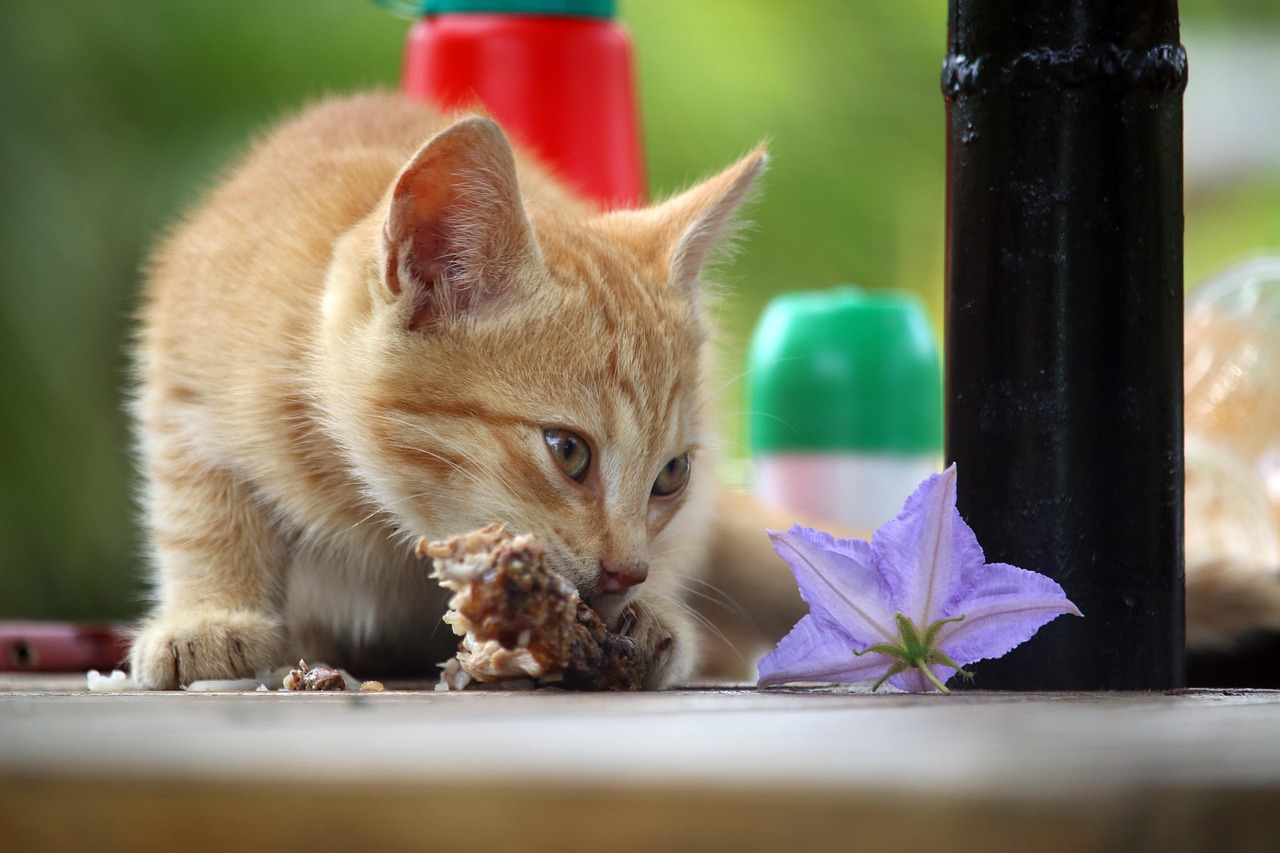
Creating effective feeding stations for feral cats is crucial for their welfare and population management. It is important to ensure that the food provided is nutritionally balanced, as it influences their health significantly. When establishing a feeding station, locate it in a sheltered place to protect it from harsh weather conditions. In addition, choose spots that are less visible to humans and other animals to reduce stress and prevent theft or scavenging. The feeding station should also be placed away from busy roads to keep the cats safe from traffic. Consider using a wide, shallow container for food to minimize spillage and keep the area clean. Regularly check the station to refill food and fresh water, ensuring that it is always available. Remember that different feeding times may attract different cats; therefore, consistently schedule when you’ll provide food. By doing so, you can monitor the population and observe each cat’s health more effectively. Above all, cleanliness is vital—clean the feeding area regularly to prevent the spread of disease among the cats.
One important aspect of maintaining feeding stations is the regular cleaning process. Dirty feeding sites can become breeding grounds for pests and may present health risks for the cats. Therefore, ensure that leftover food is cleared away daily, particularly if it is wet or spoiled. Keep waste disposal in mind, securing it in a designated bag to avoid attracting unwanted wildlife. Disinfect the feeding stations at least once a week to mitigate the risks of disease. Use non-toxic cleaning solutions to ensure that the safety of the feral cats is prioritized. The station’s integrity is crucial—inspect for any damages or hazards that could harm the cats. If damaged, repair or replace parts to maintain a safe environment. Ensure that water bowls are kept clean and topped with fresh water regularly to prevent dehydration. During extreme weather—either high heat or cold—consider adjusting the feeding schedules or providing additional shelter. Cats can be sensitive to temperature extremes; thus, thoughtful adjustments can significantly improve their well-being. Engaging with local cat rescue groups could also provide valuable resources and support for maintenance.
Food Types and Presentation
Choosing the right type of food for feral cats at feeding stations can impact their health positively or negatively. Dry food tends to be more practical since it can be left out longer without spoiling, while wet food is more appetizing and hydrating for a cat’s diet. It’s also recommended to mix both food types to cater to different preferences while providing nutrition diversity. When possible, opt for high-quality cat food with meat listed as the primary ingredient. In addition, avoid feeding cats dairy or human food, as many of them may not digest these properly, leading to health issues. Presentation matters; serve the food in a way that minimizes spillage and maximizes accessibility for the cats. Wide dishes, preferably placed on a flat surface, can make feeding efficient. Rotating feeding stations occasionally can help minimize territorial behavior among different cat colonies and spread resources more equitably. Show loyalty to a few reliable suppliers of the cat food to maintain consistency in their diet, thus ensuring the best possible health outcomes.
In addition to food, providing adequate shelter at feeding stations can greatly enhance a feral cat’s safety. Many cats feel safer when they have the option to retreat or hide, especially when they sense potential danger. Consider building simple, low-cost wooden shelters nearby to allow cats to rest and escape inclement weather. These shelters should have small openings for entry, enabling the cats to come and go freely while keeping larger animals out. Insulate the shelters using hay or straw, which can help maintain warmth during colder months. Regularly check the shelter for wear and tear, ensuring it remains safe and clean for the cats. In addition to providing refuge, select feeding station locations that are in shaded areas during hot weather. Cats can be particularly susceptible to heat exhaustion. If necessary, create shaded areas through natural or man-made structures. Illumination near feeding stations can be beneficial too, as it helps cats feel safer at night, encouraging them to visit more often. Ultimately, a properly equipped feeding area can enhance feral cats’ chances of leading healthier lives.
Community Involvement
Engaging the community is vital for the effectiveness of feeding stations involving feral cats. Raising awareness about the importance of caring for local cat populations can lead to volunteer assistance and donations of funds or supplies. Developing newsletters or social media groups for local cat enthusiasts could be beneficial in rallying support. Organize local events centered on traps, neuter, and return (TNR) programs, which help control the feral cat population humanely. Foster an environment of teamwork among local residents and overseas supporters; they may even offer to help manage or fund the feeding stations. Building a network of supporters can streamline the care required for feral cat colonies and promote responsible feeding practices. Moreover, educate community members on the significance of observing feeding schedules to ensure that the cats rely on the food provided rather than scavenging elsewhere. Educating volunteers on best practices for feeding can also promote better outcomes. When local businesses support feeding stations through donations, it enhances community ownership of the initiative, creating a positive atmosphere that benefits both human and animal residents.
Documenting the feeding stations’ activities is essential for tracking the feral cat groups you care for. Regular observations can help identify any health issues or changes in behavior, enabling you to rapidly address concerns. Establish a simple notebook or digital file for recording essential details, such as cat appearances, health conditions, or the frequency of feeding visits. Track the amount of food consumed daily to estimate the overall cat population relying on the station. Consider taking photographs to create visual records that can help identify individual cats over time. This documentation can support engagement with local veterinary services if an injured cat requires immediate attention or vaccination. Furthermore, your records may bring valuable insights into the effectiveness of the feeding program and how well the health of feral populations is maintained. Over time, you can assess the impact of your feeding stations on local feral cat populations, providing a foundation for future initiatives. Being organized and having a system in place ensures that you are maximizing the benefits for the feral cats you care for.
Conclusion and Future Considerations
Maintaining feeding stations for feral cats involves several considerations, but the outcome is worth the effort. Key aspects include high-quality nutrition, cleanliness, and the involvement of community members. Future initiatives could focus on expanding feeding station networks or creating partnerships with local animal welfare organizations. Consider hosting workshops for educating concerned citizens on the benefits of TNR, emphasizing the role of consistent feeding in promoting cat welfare. Foster an open dialogue among community members on how to best care for local strays. As you plan for future growth, always keep in mind the continuous need for resource sustainability, as it can often present challenges. Engage with local governments to explore potential grants or community funds which can support feeding operations. Experimenting with new ideas, such as mobile feeding stations, could help reach less accessible areas. By uniting efforts and sharing insights with others, you can make a significant impact in your local cat community. Ultimately, fostering kindness and responsibility toward feral cats will lead to improved lives for these resilient animals.
Documentation not only helps in day-to-day management but also allows you to share stories that resonate with others. Whichever route you choose for your feeding stations, remember that patience and kindness are essential elements in the journey of caring for feral cats. With commitment and collective effort, a positive change can be made in the lives of these streetwise companions.