
Heat Stroke in Dogs: Causes, Symptoms, and Treatment
Heat stroke in dogs is a severe condition that can occur when a dog’s body temperature rises above the normal range, leading to potentially life-threatening situations. This condition is often brought on by exposure to high temperatures, excessive exercise, and inadequate hydration. Dog owners must be particularly cautious during hot weather, as some breeds are more susceptible to heat stress. Certain factors such as obesity, age, and pre-existing health issues can further raise the risks for a dog experiencing heat stroke. Knowing the signs of overheating is crucial for timely intervention. Common symptoms include excessive panting, drooling, weakness, vomiting, and in severe cases, collapse. Identification of such signs can often be the difference between life and death for an affected dog. It’s important to note that heat strokes can progress rapidly, so any noticeable symptoms should prompt immediate action. Ensuring your dog is always provided with ample fresh water and shaded areas during outdoor activities can significantly reduce the risk. Understanding your dog’s tolerance to heat can also help plan activities accordingly, providing a safer environment during hotter months.
The physiology of a dog’s body enables cooling primarily through panting. However, this mechanism can become ineffective in extreme heat conditions. Dogs don’t sweat like humans, making it essential to monitor them closely when temperatures soar. Brachycephalic breeds, such as Bulldogs or Pugs, and those with thick coats are particularly vulnerable. Heat stroke occurs when the body loses its ability to regulate temperature, leading to a cascade of physiological issues. Elevated body temperatures affect the nervous system, impairing brain function, potentially causing seizures or mirroring symptoms of stroke. To prevent heat-related illnesses, always allow dogs to rest in cooler locations and incorporate regular hydration breaks. Recognizing your dog’s limits during exercise is crucial, and adjusting activity levels based on weather conditions can play a pivotal role in prevention. In addition to physical warning signals, behavioral changes may indicate distress. For instance, a dog may become lethargic, refuse food, or exhibit unusual behavior when overheated. Always seek immediate veterinary care if you suspect heat stroke, as prompt intervention is vital to reversing the effects of elevated body temperature and preventing lasting damage.
Symptoms of Heat Stroke in Dogs
Heat stroke in dogs presents various symptoms, which can intensify quickly if the dog remains in high-temperature conditions. The initial signs often include heavy panting and barking, signaling the dog’s distress. As the situation escalates, other symptoms may appear, such as enhanced drooling, swelling of the tongue, or bright red gums. Dogs suffering from heat stress may seem disoriented or confused, displaying difficulty in standing or walking normally. Advanced stages may see dogs exhibiting a rapid heart rate, seizures, or even loss of consciousness, making it essential for pet owners to act immediately. Furthermore, signs of heat stroke aren’t limited to physical symptoms, as behavioral changes may also arise. For instance, a typically active dog may retreat to a cool space or appear unresponsive. Observing these signs can play a crucial role in averting emergencies. Should you notice any combinations of these symptoms, initiating cooling procedures is paramount. Moving the dog to a cooler environment, applying wet towels, or administering cool water can all aid in temperature reduction. Always closely monitor your dog’s recovery response and seek veterinary help. Consulting a vet after any heat exposure is essential for reassurance and ensuring proper care.
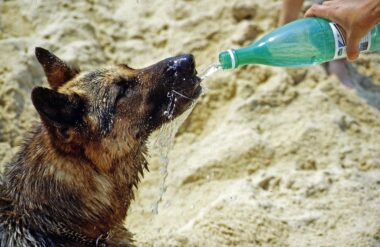
The primary concern following an incident of heat stroke is recovery and treatment. Immediate cooling of the dog is vital; however, this should be done cautiously. Ice-cold water can lead to shock, so using room-temperature water is recommended. Use towels to moisten the dog’s body, focusing on areas with less fur such as the belly and paw pads. A fan may help promote evaporation and further cooling effects. Once the dog is stabilized, monitoring its temperature becomes critical, aiming to gradually bring it back to a safer level of about 103 degrees Fahrenheit. After initial treatment, a veterinarian should evaluate any potential internal injuries sustained from the heat exposure. Blood tests may also be necessary to rule out any complications, such as kidney or liver damage. Treatment may include intravenous fluids and medications, depending on the severity of conditions developed following the heat stroke. Always follow your vet’s instructions carefully for post-treatment care. Additionally, regular check-ups in the ensuing weeks can help monitor recovery and assess any long-term effects that may arise from the heat exposure experienced by the dog during the incident.
Preventing Heat Stroke in Dogs
To effectively prevent heat stroke in dogs, it’s essential to take proactive measures, especially during warmer months. Ensure that dogs have constant access to fresh, cool water. Regular hydration plays a major role in their thermal regulation and overall health. Avoid exercising dogs during the hottest times of day; early mornings or late evenings are preferable for dog walks or runs. Shade is equally important; ensure outdoor spaces include sheltered areas where dogs can escape from the heat. If traveling with dogs in vehicles, always ensure they are comfortable and not left alone inside a hot car, where temperatures can rapidly rise. Recognizing your dog’s breed and its specific tolerances to heat is vital in prevention; factors such as coat type and health conditions must inform outdoor activity planning. Additionally, consider utilizing cooling mats, vests, or bandanas designed to help regulate temperature. As summer approaches, communicating pet care strategies with friends or family who care for them is also important. Educating others on recognizing signs of heat stress will create a safer environment for all pets involved. Prevention is the key to a healthy, happy summer for your furry friends.
Another preventive measure involves acclimatization, allowing your dog time to adjust to heat in gradual exposure. Start with shorter periods outside and progressively extend outdoor activities as they adapt. Pay close attention to weather forecasts and limit outdoor time during extreme heat warnings. Engaging in activities during cooler parts of the day helps mitigate risks associated with heat exposure. Pet owners should remain vigilant, continuously observing how their dog reacts during walks or playtime. They should be proactive, taking breaks and ensuring their dog can cool down effectively. Remember that even well-acclimatized dogs can still suffer from heat-related illnesses if the temperature is excessively high, emphasizing the need for caution. Remember, it is essential to provide plenty of fresh water both during and after physical activities too. Regular bathroom breaks and ensuring access to shade are crucial as well. Teaching your dog commands can help you manage situations better, especially during activities in parks or busy environments. Involving your veterinarian in discussions about your dog’s specific health needs can offer tailored advice ensuring safety and well-being year-round for your beloved fur companion.
Final Thoughts on Heat Stress and Hypothermia
Understanding heat stress and how it relates to hypothermia in dogs is an essential aspect of responsible pet ownership. The changes in environments can significantly affect a dog’s well-being, shifting from the dangers of overheating in summer months to the risks of sudden cold exposure in winter. Each season presents unique challenges, and awareness is critical for preventing heat stroke as well as ensuring dogs are protected from cold temperatures. Owners should familiarize themselves with their pet’s individual needs, considering breed, age, and medical history. Recognizing signs of discomfort or distress in various weather conditions must be a priority to ensure timely intervention. Always make decisions based on your observations and understanding of your dog’s preferences and tolerances. Regular vet check-ups can guide preventive measures tailored for your specific dog. Both heat stroke and hypothermia are preventable through careful observation and proactive strategies. Maintaining a balance between appropriate exercise, rest, and hydration significantly enhances your dog’s quality of life. Invest time in learning about effects that weather has on pets, preparing for every season, and giving your dog a safe and healthy environment.
As a pet owner, being informed about heat stroke and its implications empowers you to provide stellar care for your canine companion. Engaging on forums, reading literature, and sharing knowledge with fellow pet parents can help spread awareness about this critical concern. Joining networking groups dedicated to responsible dog ownership can facilitate knowledge exchange and introduce various resources on managing your dog’s health during seasonal changes. Collaborating with vets or pet trainers provides unique perspectives on canine health management, equipping dog owners with essential tools. Through education and diligent care, many instances of heat stroke can be mitigated, ensuring that dogs enjoy a happy, active life. Additionally, always stay updated with guidelines or information from veterinary organizations about best practices for dog care. Focus on observing your dog’s unique behavior can lead to a deeper connection and understanding of their health needs. Recognizing the lifelong commitment to your pet involves ensuring proper health care and preventative strategies is pivotal. Keeping your dog safe requires diligence and planning, making awareness a priority year-round. With proper attention, you can enjoy many joyful moments together, regardless of the weather conditions.