
How Omega Fatty Acids Enhance Hair Growth in Dogs
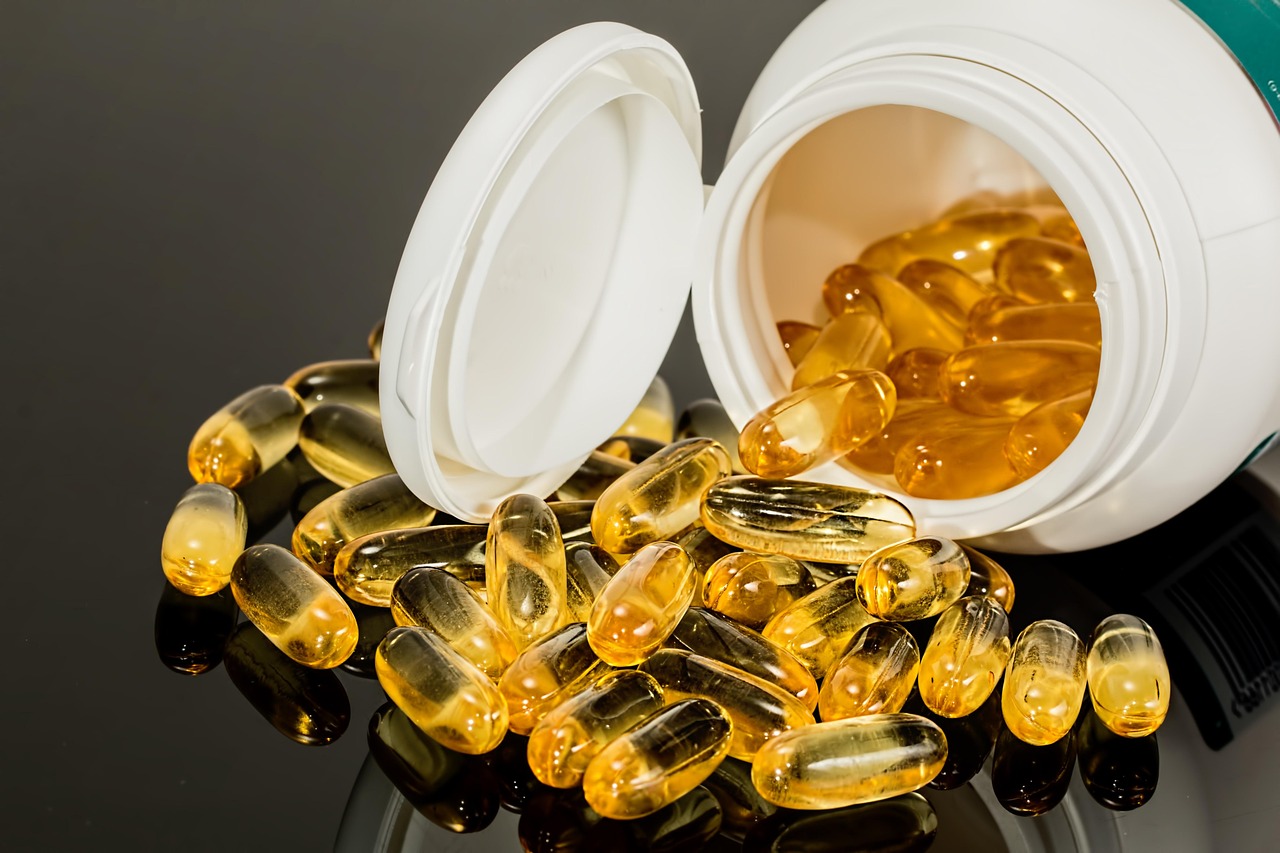
Dog nutrition is of utmost importance for maintaining overall health, and one crucial aspect is ensuring an adequate intake of omega fatty acids. These essential fats play a significant role in promoting not only healthy skin but also vibrant fur for your dog. Among the types of omega fatty acids, omega-3 and omega-6 are particularly beneficial. Omega-3 fatty acids contribute to reducing inflammation and can alleviate skin conditions that prevent healthy hair growth. Meanwhile, omega-6 fatty acids are vital for maintaining the moisture content in skin and fur, thus preventing dryness. Incorporating high-quality fish oil or flaxseed oil into your dog’s diet can help deliver these benefits effectively. Additionally, some dog food brands now offer formulations enriched with these omega oils. By prioritizing omega fatty acids in your dog’s nutrition, you’re actively supporting better skin health, which is vital for a shiny and full coat. Before modifying your dog’s diet, it is advisable to consult a veterinarian to ensure proper supplementation based on your specific dog’s needs. This way, you can help ensure your furry friend enjoys a healthy coat throughout their life.
In addition to omega fatty acids, other nutrients also play significant roles in dog hair growth. Vitamins, particularly the B-complex group, are crucial for enabling healthy cell metabolism. Biotin, part of the B-complex, is well known for enhancing skin and coat condition. It supports keratin production, a vital protein found in hair. Nutrient deficiencies can manifest through dull coats or increased shedding, indicating the need for dietary intervention. Proteins are essential as well, as they form the structural building blocks of hair. Opting for high-quality protein sources in your dog’s diet will ensure they receive optimal nutrition for healthy hair growth. Furthermore, essential minerals, such as zinc and selenium, contribute to the overall health of the skin and hair follicles. A balanced diet complemented by nutritional supplements can significantly improve your dog’s coat appearance. Supplementation can be beneficial, especially during seasonal shedding periods when your dog needs extra support. Always consider holistic approaches to dog nutrition, focusing on the overall nutrient profile rather than individual components alone for the best results in enhancing hair growth.
While the focus on omega fatty acids for hair growth is crucial, the importance of hydration cannot be overstated. Ensuring that your dog has access to fresh, clean water is vital for promoting healthy skin and fur. Dehydration can lead to dry skin, which may result in poor hair growth and shedding. Alongside hydration, regular grooming helps to remove dead hair and skin cells, promoting better blood circulation and stimulation of hair follicles. Regular brushing can reduce matting and tangles, thus allowing natural oils produced by the skin to distribute more evenly throughout the coat. Setting a routine for grooming can also be a great bonding experience with your pet. Furthermore, consider using supplements designed specifically for skin and coat health that complement hydration and grooming practices to maximize results. For the best outcomes, it is essential to establish a consistent regimen that incorporates these practices. Always pay attention to how your dog responds to changes in their diet or grooming routine, as individual needs may vary significantly.
Choosing the Right Supplement for Your Dog
When it comes to selecting a supplement rich in omega fatty acids, quality is key. Look for products that contain high levels of EPA and DHA, which are critical for achieving the best results in hair growth. Fish oil supplements, commonly available, are often the best sources due to their high omega-3 content. Alternatively, plant-based omega sources like flaxseed oil or chia seeds may be suitable, though they contain alpha-linolenic acid, and may not be as effective. Always read labels carefully to ensure a product is free from harmful additives or fillers. Additionally, opt for supplements that undergo third-party testing for safety and efficacy. Consultation with your veterinarian can provide personalized recommendations and dosage guidelines. Each dog’s nutritional needs can differ based on age, breed, and health status. Factors like breed-specific concerns should also be taken into account. By proper evaluation and selection, you can enhance your dog’s overall diet and promote optimal health, paving the way for a healthy, shiny coat.
It’s important to understand that a supplement alone may not guarantee enhanced hair growth. A holistic approach towards your dog’s nutrition, including a balanced diet, is integral. Along with supplements, providing high-quality dog food treats enriched with omega fatty acids can further enhance your dog’s nutrition. Understanding your dog’s lifestyle and activity level can also inform dietary needs. Active dogs may require additional caloric intake, while less active dogs need portion control to prevent weight gain. All aspects of nutrition contribute to overall health, which directly influences hair and skin conditions. As you monitor your dog’s progress following dietary changes, keep track of improvements in their coat quality. Regular vet check-ups are encouraged to assess their overall health and nutritional status. This proactive approach equips you with strategies to enhance your dog’s coat while ensuring they remain healthy and happy. You may find that adjusting their supplements and diet results in a fuller, healthier coat over time, promoting confidence in your furry friend.
Encouraging Healthy Lifestyle Practices
Exercise plays a crucial but often overlooked role in maintaining a dog’s overall health, including skin and hair quality. Regular physical activity can improve blood circulation, enhancing the delivery of essential nutrients to skin follicles and subsequently promoting hair growth. Furthermore, a healthy weight achieved through exercise can aid in minimizing skin issues, positively impacting coat condition. Mental stimulation is equally important, as dogs benefit from a balanced lifestyle that includes both physical and mental activities. Incorporating variety into your dog’s exercise routines can be fun and beneficial. Activities like daily walks, playtime, and interactive toys will help keep them engaged. It’s essential to adopt a tailored exercise plan to suit your dog’s breed, age, and energy level. Observing how they respond to exercise can also indicate if additional nutritional support is necessary. Supplementing their diet with omega fatty acids while ensuring a consistently active routine can yield lasting results in coat health. Striking a balance between diet, exercise, and mental engagement is paramount for achieving optimal well-being.
In conclusion, incorporating omega fatty acids into your dog’s diet is an effective way to enhance hair growth and improve overall coat health. Regular assessments of your dog’s diet and responsive adjustments will ensure their nutritional needs are met. Also, enhancing overall health through proper hydration, grooming, and exercise will provide long-lasting benefits beyond just the hair coat. Always remember that every dog is an individual, and tailoring approaches to suit their specific needs will yield the best results. In case of severe skin conditions or persistent hair loss, consult with a veterinarian to rule out possible underlying medical issues. Engaging holistic measures that respect your dog’s unique constitution will provide a comprehensive approach to their health. This will not only improve the appearance and health of their coat but also foster an enduring bond between you and your pet through shared activities and proper care practices. By staying informed about nutritional needs, you pave the way for your dog to thrive in both appearance and health.
In summary, dog nutrition plays a crucial role, particularly when focusing on hair growth supplementation. Omega fatty acids can have significant benefits when correctly implemented. Emphasizing a balanced diet, proper exercise, and mental stimulation creates a holistic approach for your canine companion. Stay committed to researching and discussing the best options for your dog. By doing so, you will ensure their lasting health and vitality, lifting their spirits while enhancing their natural beauty.