
How to Prepare Your Dog for Their First Socialization Class
Introducing your dog to a socialization class can be an important step in their development. It provides opportunities for your pup to interact with other dogs and learn important social skills. To ensure a successful first experience, you should start with some essential preparations. Firstly, visit a reputable trainer who specializes in dog socialization classes. They will guide you on what to expect and how to approach the process. Next, ensure that your dog is up to date on vaccinations, which is vital for their safety and the safety of others. Also, consider bringing along your dog’s favorite toy or blanket to help them feel secure in this new environment. A well-fitted collar and leash are crucial, preventing accidental escapes and ensuring control over your dog during interactions. Besides, arrive a little earlier to allow your dog to acclimate to the new surroundings without feeling overwhelmed. Pay attention to your dog’s body language, as this will help you gauge how they feel throughout the class. A positive attitude on both your parts will significantly contribute to the success of this experience.
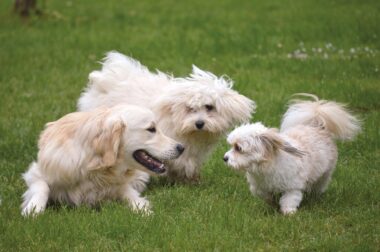
Once you have completed the initial preparations for your dog’s first socialization class, the next step is to focus on basic obedience skills. Teach your dog simple commands such as “sit”, “stay”, and “come”. These commands can significantly assist you and your dog during group sessions and foster a sense of safety. Regular practice at home will build their confidence and ensure they understand these commands. Another critical aspect to prepare for is exposure to various stimuli. Gradually introduce your dog to different sounds, sights, and surfaces. This exposure can help them become more accustomed to the environment they will encounter in their classes. Additionally, consider inviting friends or family with dogs over for playdates. This will allow your dog to interact with others in a more controlled situation, making the actual socialization class feel less intimidating. Watch for signs of stress or anxiety and reassure your dog using calming techniques. Patience and consistency are vital; reward your dog for positive behavior with treats or praise. This preparation will set a strong foundation for building social skills in a group setting.
The Day Before Class
The day before your scheduled class, ensure that you have all necessary materials ready. Gather items such as a water bowl, high-value treats, poop bags, and a sturdy leash. It’s essential to keep your dog hydrated and comfortable during the session. Double-check your dog’s collar for any adjustments and make sure it’s safe and properly fitted. Likewise, it’s advisable to avoid a heavy meal right before class to prevent any digestive issues. A light snack beforehand can help with energy levels without risk. Additionally, try to plan for a physical activity before attending class, as a good walk or play session can help expend excess energy. This can contribute to a more focused and relaxed demeanor during class. Keep an eye on the weather too, in case outdoor adjustments are needed. Lastly, have a positive mindset and convey that attitude to your dog; they can pick up on your emotions. Remember, the goal is to create a fun and engaging experience for both you and your dog, paving the way for future socialization success.
On the day of the class, arrive early to allow both you and your dog to settle in. This time will help your dog adjust to the classroom environment before the class begins. Give them a chance to explore their surroundings while keeping them on a leash to ensure they remain safe. Pay attention to the behavior of other dogs and their owners, which might provide your dog with helpful cues. Engage in brief interactions with your dog, using commands they are familiar with. This will help alleviate any anxiety they may be feeling. Once the class begins, follow the instructor’s guidance and remain actively involved. Focus on your dog, giving them encouragement, and celebrating small successes during the class. Use treats as reinforcements and take breaks when needed. Every dog learns at their own pace, so be prepared to adjust expectations according to your pup’s comfort level. Always be vigilant for signs of stress, including excessive barking or withdrawal, and respond accordingly. Your support and patience will greatly contribute to their overall success in developing social skills.
Developing Social Skills
Post-class, it’s vital to continue fostering socialization through consistent practice. Schedule play dates with other dogs or visit dog parks to encourage further interaction in a controlled manner. This regular exposure will reinforce the skills your dog has learned in class. Monitor your dog’s body language closely, respecting their boundaries and ensuring they feel safe and comfortable. If they show signs of anxiety or stress during interactions, consider taking a step back to allow them time to acclimate. Gradually introduce new situations or environments to generalize these skills. Furthermore, you can opt for additional training classes focusing on specific areas, such as agility or obedience. Such environments can supplement the training from the first class and allow dogs to interact in different settings. It’s essential to keep the experiences positive; a negative experience can hinder their progress. Celebrate and reward your dog for engaging positively with other dogs, and never punish them for timid behavior. Patience and consistency are crucial as every dog has their unique timeline for developing socialization skills.
Leverage every opportunity for socialization in daily life, as these informal moments can complement formal training experiences. Take your dog to various locations, such as pet-friendly shops or outdoor markets, to meet new people and pets. Allow them to observe and get accustomed to various sounds and crowds. This exposure will build confidence while enhancing their comfort level in varying environments. You can further enhance their social skills through groups or clubs dedicated to dog activities, like obedience classes or dog walking groups. These environments foster interaction among dogs and owners, giving your dog various socialization experiences to build on. Keep in mind that each dog’s learning journey may differ; some dogs may take longer than others to feel comfortable in various situations. Therefore, always celebrate milestones, no matter how small. Remember that the key to successful dog socialization lies in balancing positive reinforcement with gradual exposure to new experiences. Through consistent practice, you can help your dog become a well-adjusted and social companion. This journey ultimately leads to a happier and healthier life for both of you.
Conclusion and Ongoing Socialization
In conclusion, preparing your dog for their first socialization class is crucial for their development and well-being. The steps outlined above serve as a solid foundation to ensure the experience is positive. Regular socialization helps reduce anxiety and behavior issues, creating a more harmonious relationship between dogs and humans. Always strive to maintain a supportive environment, reinforcing positive behaviors and encouraging confidence. By continuously providing opportunities for interaction and exposure to new experiences, you will cultivate a well-rounded and social dog. Always remember that socialization is an ongoing process, and it may take time for your dog to fully adjust to new situations. Celebrate the journey and enjoy the time spent with your furry friend as they learn and grow. Your commitment is vital to their development and can lead to enriching experiences that strengthen your bond. Stay patient and proactive, and your dog will flourish in social settings. Look forward to many fun interactions and adventures together as you witness the joy of a well-socialized dog in action.
Overall, socialization classes act as a significant stepping stone in your dog’s development, shaping their confidence and behavior. You will find your dog responding better to both you and their environment, thanks to the positive reinforcement strategies implemented in class. Ensure that socialization continues even after completing your initial courses, allowing your dog to engage with a variety of stimuli and circumstances. This approach will help them thrive as a friendly and balanced member of your family and community. Your dedication in preparing for the class and following through will make a significant impact in their lives. By setting realistic expectations and nurturing their growth, you foster a loving and welcoming environment for your dog to excel. With gradual exposure and consistent support, you will witness their transformation in social behaviors and confidence. Engage in every opportunity to include socialization in your daily routine. Your furry friend will thank you with a joyful spirit and healthy behavior. The rewards of having a well-socialized pet are immense, ultimately leading to a stronger bond and fulfilling companionship.