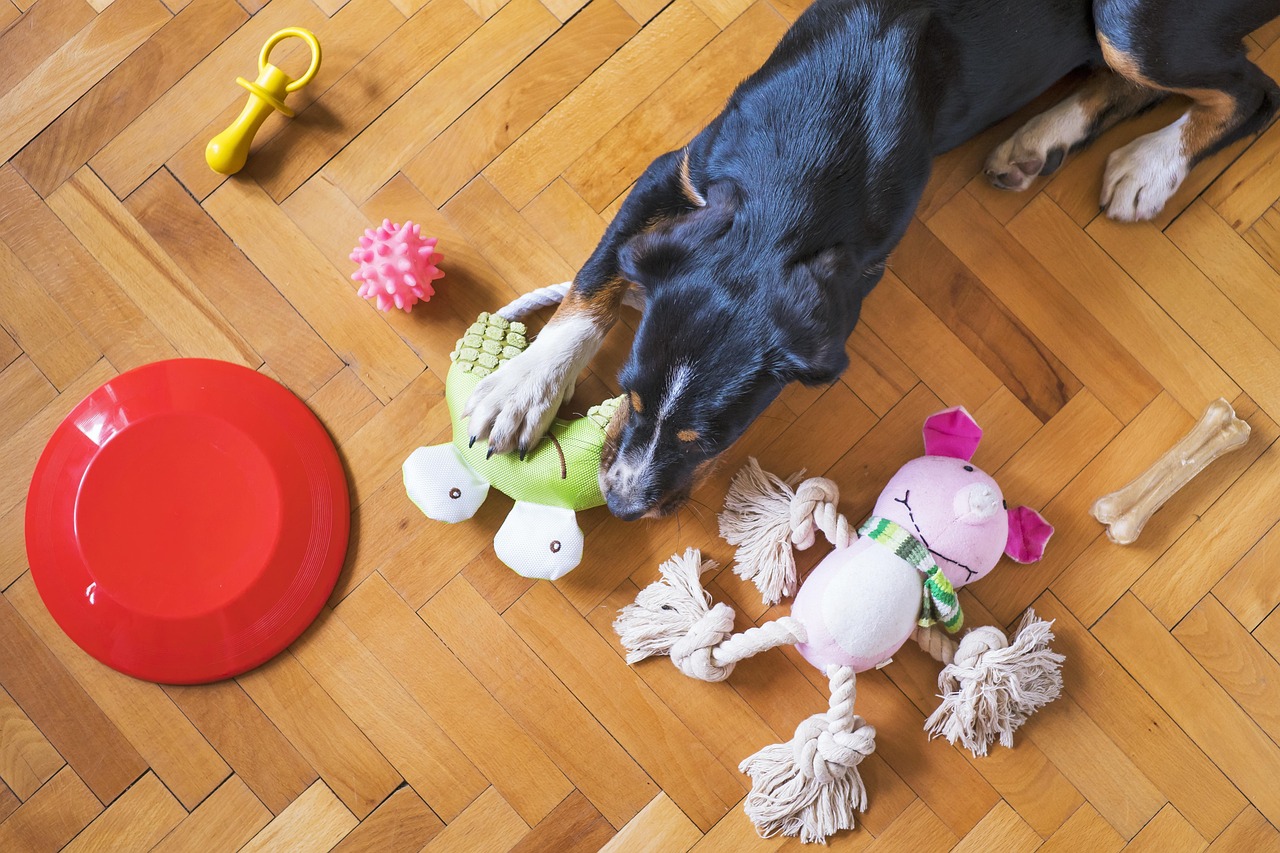

The Role of Toys in Enhancing Dog Psychology
Dogs, like humans, thrive when their environment is enriched with stimulating toys. Toys can help reduce boredom, anxiety, and destructive behavior. By offering various toys, owners can engage their dogs’ cognitive abilities. A diverse selection of toys, including chew toys, puzzle toys, and interactive toys, can cater to the specific needs of each dog. Chew toys are fantastic for promoting dental health and providing comfort during teething phases. Puzzle toys, on the other hand, challenge dogs mentally, encouraging them to problem-solve and think critically. Additionally, toys that encourage play often lead to increased physical activity, promoting a healthier lifestyle. Regular playtime can also deepen the bond between dog and owner. Making time for interactive play allows dogs to express their natural instincts and playfulness. Not to forget, toys can be excellent tools for training, helping dogs learn commands and skills in a fun way. The right toys can transform a dull environment into an exciting playground where dogs can explore and thrive, showcasing their personalities while enhancing their emotional well-being.
Types of Enrichment Toys
Choosing the right types of toys can significantly enhance your dog’s psychological well-being. Consider toys that provide sensory stimulation, such as those with different textures, colors, and sounds. For example, squeaky toys or toys that crinkle can capture a dog’s attention and entice them to engage in play. Additionally, interactive treat-dispensing toys encourage dogs to use their problem-solving skills to access rewards. These toys also promote a sense of accomplishment as your dog learns how to manipulate them to obtain treats. Chew toys are another crucial category; they help keep teeth clean, alleviate anxiety, and satisfy a dog’s natural chewing instinct. Plush toys provide comfort and security, especially for anxious dogs that seek warmth. Rotating toys regularly prevents boredom and maintains your dog’s interest. Moreover, consider the size and durability when selecting toys, as these factors can affect a dog’s engagement. Resistant toys are essential for heavy chewers to ensure they last longer and provide continuous stimulation. Overall, a well-chosen array of toys is vital for producing a happy and psychologically healthy dog.
Engaging dogs with enrichment toys requires understanding their specific preferences and behavioral traits. Observation is key; notice what types of toys your dog gravitates towards during playtime. For instance, some dogs may prefer toys that allow them to chew, while others might enjoy ones they can tug or fetch. It’s essential to provide toys that align with a dog’s natural instincts to ensure they stay engaged and mentally stimulated. Consider incorporating toys that mimic hunting, like squeaky toys that sound like prey. This encourages dogs to utilize their predatory behaviors positively. Rotation of toys can keep playtime interesting. Regularly introducing new toys can spark excitement and curiosity, while removing others could help maintain their appeal. Interactive playtime with a human partner can enhance your dog’s confidence and provide opportunities for bonding. Furthermore, teaching tricks with the help of toys can lead to a better understanding and responsiveness. Owners can create varied play sessions that keep dogs guessing and intrigued. A dynamic and thoughtfully planned toy collection is central for fostering a stimulating environment for canine companions.
The Benefits of Puzzle Toys
Puzzle toys are particularly effective in engaging your dog’s intellect and providing mental enrichment. These toys challenge dogs to solve problems, making it rewarding when they finally succeed in obtaining the treat hidden inside. This process mimics natural foraging behavior and encourages a dog to think independently. By incorporating puzzle toys into daily routines, owners can enhance their dog’s cognitive skills, significantly combating boredom and behavioral issues. Dogs that frequently use puzzle toys tend to show increased patience and improved focus over time. Additionally, spending time with puzzle toys contributes to stress relief in dogs, as they become absorbed in the task at hand. Puzzle toys are also fantastic for varying the level of difficulty, suitable for dogs of all ages and experience levels. For younger dogs, begin with simple puzzles and gradually increase difficulty as they develop skills. For older dogs, choose toys that provide sufficient challenges to keep their minds active. Overall, integrating puzzle toys into play routines is a fantastic way to keep dogs happy, engaged, and mentally stimulated.
Natural behavior stimulation can also be achieved using toys that encourage role play and chase. Toys that resemble animals or serve as fetch tools allow dogs to unleash instinctual behaviors. Balls, for example, can trigger chase instincts, and playing fetch not only provides exercise but also strengthens the bond between the owner and their pet. Comfort toys contribute to emotional well-being. Dogs often form attachments to specific toys, especially ones that provide comfort during stressful times. This attachment can serve as emotional security, reducing anxiety and fearfulness during transitions, such as moving to a new home or during thunderstorms. Enrichment with toys fosters proactive behavior, helping eliminate potential destructive behaviors stemming from boredom. Furthermore, toys provide a positive outlet for energy, significantly benefiting high-energy dogs. Owners should ensure that any toys they choose are safe and non-toxic, minimizing the risk of health issues. Additionally, regularly checking the condition of toys for wear and tear is essential. A safe and stimulating environment, created with the careful selection of toys, greatly enhances a dog’s psychological health and overall happiness.
Interactive Play as Enrichment
Interactive playtime engages dogs significantly, providing a variety of cognitive and emotional benefits. When owners participate in play sessions, dogs exhibit enhanced confidence and social skills. Games like tug-of-war not only strengthen the human-animal bond but encourage dogs to engage in teamwork and problem-solving. This involvement fosters trust and communication between the owner and the pet. Regular interactive play helps exercise the dog, keeping them physically fit, which is critical for mental well-being. Dogs engage more fully when their owners participate, often displaying excitement and zest for life. Utilizing toys in training can also lead to successful outcomes, enhancing the learning experience for dogs. Obedience commands can be taught using toys as incentives. As dogs learn and understand commands, they find joy in the process, making them more willing to participate. Additionally, interactive play sessions provide the necessary stimulation that prevents behavioral issues. Ensure that the playtime is tailored to each dog’s energy level and preferences, allowing for adaptation based on how they respond. Overall, empowered relationships through interactive play make for well-adjusted dogs.
The role of toys in enhancing dog psychology cannot be overstated. Through stimulation, engagement, and interaction, toys enable dogs to lead fulfilling lives. Owners who prioritize environmental enrichment can expect their dogs to thrive both emotionally and intellectually. Creating a diverse and stimulating atmosphere promotes behavioral balance. As dogs experience the joy of play, they build confidence, adaptability, and emotional strength, reflective of their overall well-being. The choices of toys should evolve with the dog’s changing preferences over time. As dogs grow or the seasons change, owners should remain attuned to the specific needs of their pets. Exploring new innovations in dog toys can keep the experience fresh and exciting for dogs. Furthermore, owners can participate in selecting the best toy options. Choosing durable and safe toys can significantly enhance a dog’s happiness while providing essential mental engagement. In conclusion, toys offer far more than mere entertainment; they are integral to a dog’s psychological health. Owners should invest the time and resources needed to ensure their dog’s well-being through enriched environments that include an assortment of engaging toys.