
Using Natural Light to Enhance Calm Cat Photos
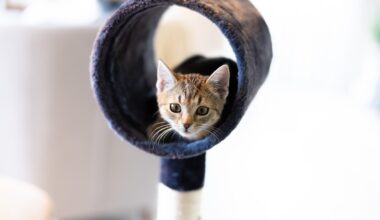
Capturing a cat’s essence in a photo requires patience and skill. Natural light plays a critical role in achieving stunning and serene images. When utilizing natural light, consider the time of day; mornings and evenings often provide softer light that is less harsh. The golden hour, shortly after sunrise or before sunset, produces beautiful warm tones that add depth and warmth to photographs. Avoid using flash, as it can startle cats, leading to a tense atmosphere. Instead, position yourself where soft, diffuse sunlight enters, such as through a window. Observe how the light interacts with your cat’s fur to highlight their features and create interesting shadows. A bright but overcast day can also serve as excellent lighting, providing even illumination that reduces harsh contrasts. Remember, the goal is to create an environment where the cat feels comfortable, allowing their personality to shine through. Patience is key, as cats require time to acclimate to the camera. Utilize treats or toys to engage them, making the session enjoyable. Ultimately, natural light adds a magical touch, producing lovely photos that capture the tranquility of your feline friend.
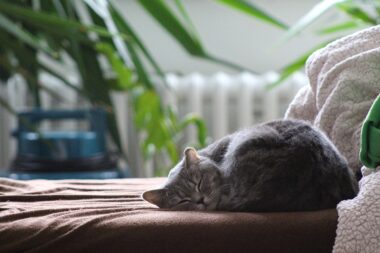
Incorporating natural light into your cat photography is about strategy, moving beyond the standard techniques. One effective approach is to position your cat near a large window or glass door. This placement not only allows for ample natural light but also lets the cat observe outdoor activity, stirring curiosity. However, light direction matters significantly; placing the light source at their side or behind can create mesmerizing silhouettes and highlights that draw the eye. Moreover, scouting your home for suitable spots with good light exposure will save time during the shoot. Look for areas where sunlight gently bathes the floor or furniture. Another aspect to consider is using reflectors to bounce light and fill shadows without introducing artificial lighting. You can create a simple reflector using a white sheet or cardboard, enhancing soft light quality even further. Waiting for the right moment is crucial to capturing spontaneous expressions and playfulness, so be prepared. Keep the environment quiet and distraction-free to help your cat relax, encouraging natural poses. A calm cat is more likely to yield aesthetically pleasing photos, contributing to a successful photography session.
Enhancing Photos with Natural Elements
Introducing natural elements can significantly enhance your cat photography session. Plants, flowers, and soft textures create a warm, inviting frame that complements the subject. Place your cat among blooming flowers or leafy greens, allowing nature to create a vibrant backdrop. These elements not only make images visually appealing but also promote a relaxed atmosphere, which is essential for your feline friend. Consider using soft blankets or cushions that align with the light, ensuring they showcase your cat’s features positively. Avoid cluttered backgrounds that may distract from the main subject; simplicity prevails in most photographic compositions. In addition to backgrounds, the presence of natural elements can evoke mood and emotion in your pictures. Cats tend to interact with their environment, providing opportunities for candid shots that reflect their personality. Capture these moments during golden hour for optimal lighting. Continuous adaptation to your cat’s comfort level is essential; a comfortable cat delivers the best poses. Integrating these natural components strategically into each shot can improve photo quality while keeping sessions enjoyable for your furry model. Remember, the simpler the setting, the more your cat can flourish in the frame without distraction.
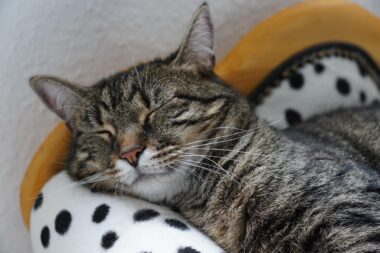
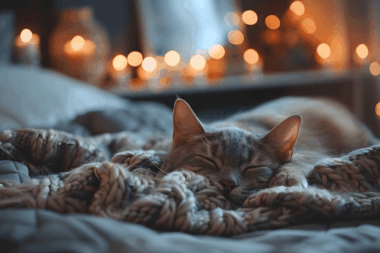
Using props effectively can add depth and interest to your cat photos. Natural materials such as rattan baskets or soft wooden surfaces may complement your cat’s fur patterns beautifully. Choose props that do not overshadow the main subject – remember, the goal is to highlight your cat’s natural beauty. It’s essential to observe how your cat interacts with props; they can encourage playfulness and spontaneity, resulting in dynamic shots. Lightly textured items can enhance the visual appeal of photographs by contributing layers and dimension. For instance, placing your cat on a knitted throw can emphasize their softness while revealing stunning contrasts in the image. Additionally, lightweight fabrics in gentle colors might create an ethereal feeling of calmness and serenity. Pay attention to the color palette and choose props that harmonize with your cat’s unique coloration. Finding balance between your cat and props is crucial; both should coexist in the photo without one overshadowing the other as you focus on natural lighting techniques. Ultimately, these choices improve the peacefulness of your photos, creating cherished memories that last a lifetime.
Calming Techniques for Cats During Photoshoots
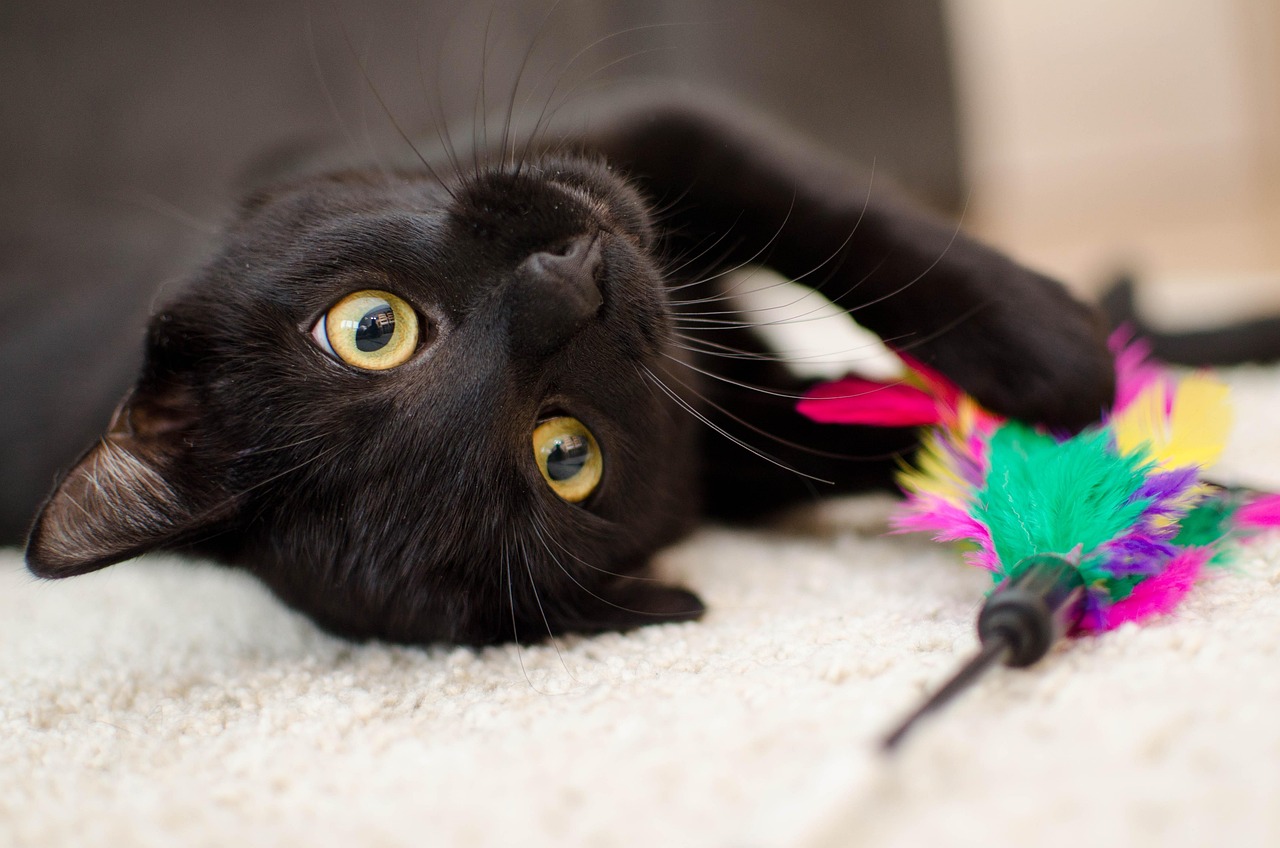
Understanding your cat’s behavior is paramount for smooth photography sessions. Cats may feel nervous or anxious when exposed to cameras or unfamiliar settings; recognizing signs of stress allows you to adjust your approach. Before starting, create a calming environment to encourage relaxation. Allow your cat to explore the area first, giving them time to adapt to their surroundings. Soft speaking and light petting may also soothe them, fostering a sense of safety. Employing treats or favorite toys to guide your cat’s attention can help capture playful moments as they engage in familiar activities. If your cat appears disinterested or restless, it’s often best to take a break rather than pushing through an unproductive session. Understand that every cat has unique preferences; some might prefer quiet environments instead of bustling homes full of activity. You might also consider familiarizing your cat with the camera beforehand. Let them sniff and explore it, reducing fear and curiosity. Allowing your furry companion to take the lead throughout your photo session creates a positive experience, ultimately making calm and delightful photographs more achievable.
Playing with composition techniques elevates your cat photography to new heights. Positioning your cat’s eyes at the top third of the frame improves visual interest, capturing attention immediately. Utilize leading lines, such as edges of furniture or natural pathways in your home, to direct the viewer’s gaze towards your subject. Experimenting with angles can also create dynamic images; shooting from the cat’s eye level often yields engaging perspectives. Add depth by incorporating foreground elements, making your photographs feel more immersive. Remember the importance of negative space – ample empty space can emphasize your cat, allowing their features to dominate the spotlight. Remember to keep the cat comfortably positioned, where natural light illuminates their face, making it a key focus in the image and aiding in creating serene representations. Lastly, be continuous in your exploration of different styles; varying your approach keeps you creative while refining your skills. With practice and patience, discovering unique compositions that both enhance your photographs and reflect your cat’s personality becomes increasingly accessible, producing memorable images that stand out.
Post-Processing Techniques to Enhance Natural Light Photos
Post-processing is an essential step to maximize the beauty of your cat photography sessions. Even in excellent lighting conditions, adjustments can enhance colors, contrast, and overall quality. Utilize editing software to fine-tune exposure, ensuring your cat’s features remain vibrant without appearing washed out. Emphasizing warm tones, essential in natural light photography, can bring out the richness in your cat’s fur and surroundings. Additionally, consider applying gentle sharpening to enhance details; however, avoid overdoing it as this can result in an unnatural look. Cropping may also improve your composition by removing unwanted distractions while focusing more tightly on your cat. Remember to keep adjustments subtle to maintain your images’ authenticity; the goal is to embrace naturalism rather than create entirely altered images. During this phase, ensure your images retain clarity and a soothing atmosphere; these elements create emotional connections with viewers. Consistent editing practices can reflect your style, so explore various approaches and techniques over time. Ultimately, post-processing is the cherry on top of your natural light photography, helping showcase your beloved feline companions more beautifully.
In conclusion, using natural light effectively is crucial for capturing calm and beautiful cat photographs. Patience is necessary to allow time for exploration and adjustments. Set your environment to make your cat feel comfortable, ensuring a pleasant photography session. Integrating natural elements and props increases visual interest, creating a natural setting where your cat can shine. Awareness of your cat’s emotional state helps you recognize when to pause, focus on calm moments, and cater your approach accordingly. Pay attention to composition techniques and the use of angles to create dynamic photographs, and remember to make necessary adjustments in post-processing to enhance your final product. Embrace a relaxed atmosphere, allowing your cat to express themselves freely; this often leads to the most authentic shots. Ultimately, these techniques collectively lead to stunning cat portraits that showcase their beauty and individuality through the lens of natural light. Following these tips will improve your skills over time and yield memories to cherish for years to come. Equip yourself with patience, creativity, and your camera, and embark on the enjoyable journey of cat photography!