
Adopting a Dog with Children: How to Make the Right Choice
Choosing the right dog for your family, especially when you have children, can be a rewarding yet challenging experience. It’s essential to consider a few key factors to ensure a safe, happy, and loving environment for both the dog and your kids. First and foremost, determine the energy level that complements your household lifestyle. Active families may thrive with energetic breeds, while calmer households might prefer more laid-back companions. Additionally, factor in the size of the dog; larger breeds may unintentionally injure small children, while tiny dogs might not tolerate rough play, putting them at risk. Communication is key in these situations, as teaching your children how to interact with dogs safely is crucial. This involves constant supervision whenever children and dogs are together. Most importantly, you must ask: does the dog have a temperament to deal with kids? Remember, adopting a dog is not just about finding a cute face; it’s about forging a long-lasting bond. Evaluating these elements will help you find the ideal furry friend for your family.
Researching different breeds is vital to learn more about their typical behavior, especially regarding children. Each breed has distinct characteristics that can play a role in their compatibility with family dynamics. For instance, breeds like Golden Retrievers or Labrador Retrievers are often recommended for families due to their friendly and tolerant nature. On the other hand, breeds that are less tolerant of children include the Chihuahua or some terrier types. Visiting local shelters and speaking with staff can guide you towards breeds that fit your family’s needs. Volunteering at a shelter can also provide hands-on experience and insights into which dog personalities mesh well with children. It’s not just the breed, but individual personality traits of the dog are important too. Pay attention to dogs that display a calm demeanor around children or seem relaxed during interaction. Nose-to-nose introduction techniques can also assess how a potential dog will behave around your kids. Evaluate any previous history with children to build knowledge about their temperament over time.
Meeting the Dog
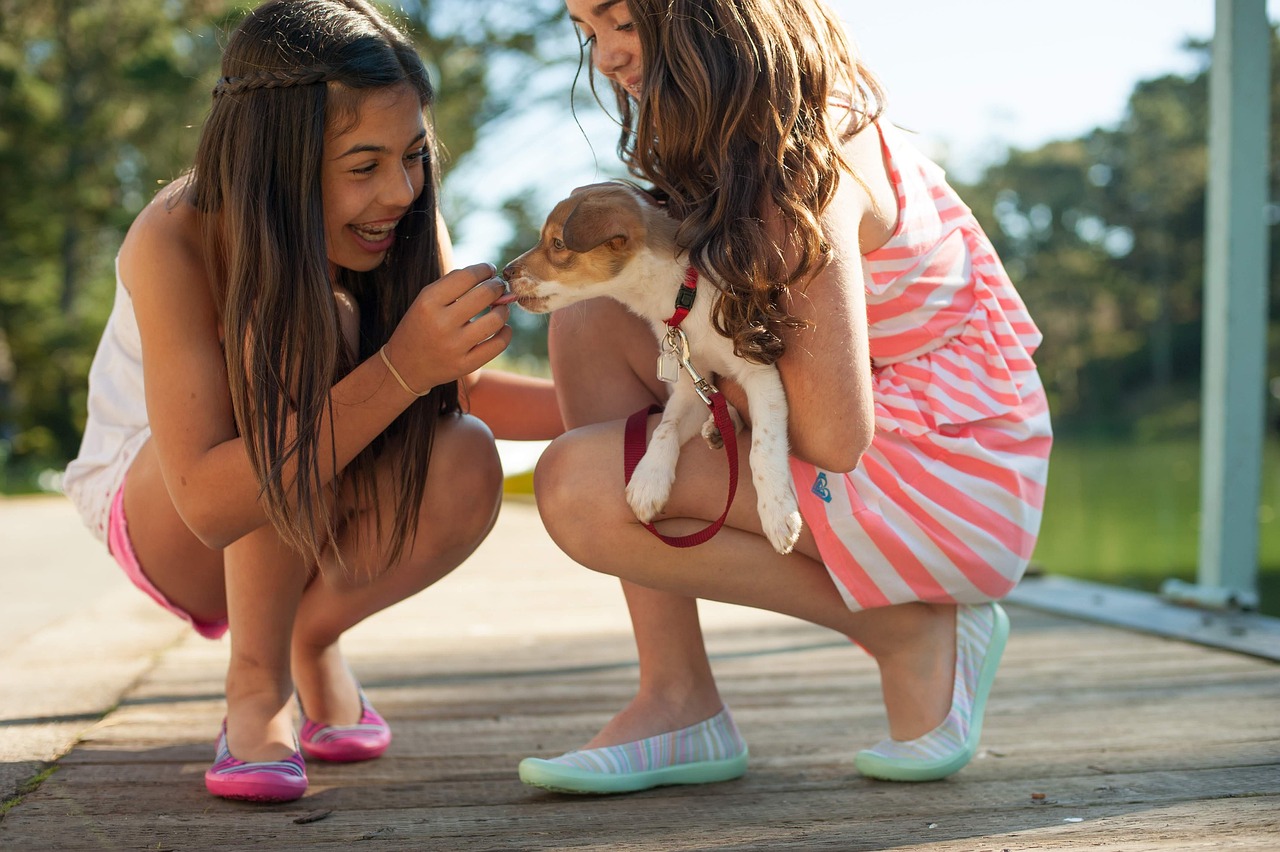
Once you have narrowed down your options, meeting potential furry family members is crucial. Schedule time for your children to interact with the dogs you’re considering adopting. It’s advisable to observe how the dog behaves around children, looking for signs of excitement or anxiety. During this meeting, assess how the dog reacts to your family unit as a whole. Is it eager to play, or does it seem overwhelmed? If the dog seems fearful, it may require an experienced handler or additional training. Watching your children’s behavior during these introductions is equally important. Are they respectful and gentle, or overly exciting and loud? This could impact how the dog feels about their presence. Encouraging children to offer treats may help the dog warm up, ultimately leading to an amicable bond. Documenting these interactions can prove helpful as your family makes this significant decision. Additionally, consider bringing a toy or item that smells of home for the dog if you decide to adopt. This will ease the transition for them.
Before finalizing the decision to adopt, it’s critical to consider the lifestyle adjustments needed. Families with young children may need to passionately teach responsibility and empathy towards pets. In these enlightening efforts, your children must learn how to care for the animal by participating in daily tasks like walking, grooming, and feeding. In contrast, make sure not to overwhelm them by setting age-appropriate responsibilities. Allow for gradual involvement to help them grasp the significance of those roles. Additionally, investing in training classes for the dog can benefit both the dog and your family in terms of forming desired behaviors. Community centers or nearby pet stores often offer group classes that can become family bonding activities. Moreover, consider how the dog will be integrated into family outings and holidays once adopted. Planning family-friendly activities engaging both dogs and children fosters connection. Having your children involved in these planning stages adds excitement and further solidifies an emotional bond with the canine companion. Teaching the dog manners can aid in creating a harmonious living environment.
Establishing Boundaries
Another essential aspect of ensuring a positive experience is establishing boundaries for both the dog and your children. Open discussions surrounding what behaviors are acceptable will help prevent misunderstandings and ensure safety. Kids need to be taught how to interact with a dog respectfully. Educating them about petting, what to avoid, and when to give space creates a safe atmosphere for everyone involved. Conversely, the dog also needs boundaries. Establishing areas in the house where the dog can retreat helps create a sanctuary. Training the dog to understand its space will alleviate potential stress when children become overwhelming. Involving your children in the dog’s training reinforces their understanding of proper interactions. Be patient, as it might take time for both the dog and your family to adapt. Encouraging the kids to engage in specific activities such as playing with toys can strengthen their bond. Keeping the lines of communication open about feelings promotes a loving atmosphere, reducing the likelihood of behaviors that might overwhelm either party. Everyone, including the dog, should feel safe navigating their environments together.
Introducing a new dog into a home already bustling with children requires careful planning. Routine is essential when bringing a new pet home. For instance, establish a consistent feeding and exercise schedule right from the start. This consistency will help not only the dog adjust but also your children to learn how to interact during those times. Create practice scenarios where your children can caution about breaks in the routine, ensuring they understand that some changes may occur. Preparing the home environment in advance by keeping calming toys and beds ready allows the dog to settle quickly. For energetic dogs, planning regular playtimes will keep them mentally stimulated and help integrate them into family life. Diverse activities such as trips to the park or family walks can foster a sense of normalcy. Remember that you should segment the house to allow the dog and children comfortable space initially. Lastly, patience, empathy, and understanding will help you manage these dynamics, ensuring that all family members flourish in the new environment as they bond well over time.
Final Thoughts on Dog Adoption
As you conclude your journey of selecting the perfect four-legged friend for your family, remember these crucial factors. Having conversations with friends who have dogs or connecting with professionals can provide further insight. Ensure that you take time to realistically assess your family’s daily routine and how a new pet will fit into this dynamic. Each dog has its own personality and history that may impact their behavior. Researching and becoming knowledgeable about different breeds allows for informed decisions. It’s also helpful to continue to learn about dog training techniques. Training doesn’t stop after adoption; it should be a lifelong commitment to ensure both the dog and your family remain happy together. Most importantly, don’t skip the option to foster dogs before adopting; it can help you understand how the dog may fit into your family unit. Make this exciting journey a family affair, including children in the decision process to foster their connection and sense of responsibility. By following these guidelines, you can turn the adoption experience into a joyful adventure.
Your role in providing care and a loving environment is essential for your dog’s wellbeing. As the family continues to grow and adapt to life with the new pet, remember that this choice can lead to countless cherished memories and heartfelt connections. The more proactive and prepared you are, the better the experience will be not just for your children but for the dog too.