
Common Grooming Mistakes and How to Avoid Them
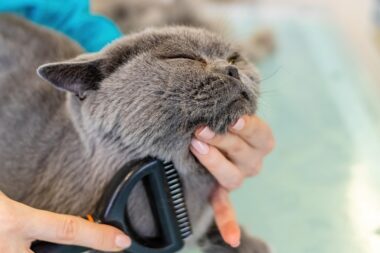
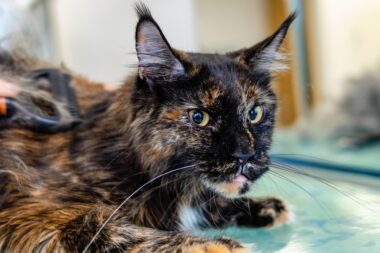
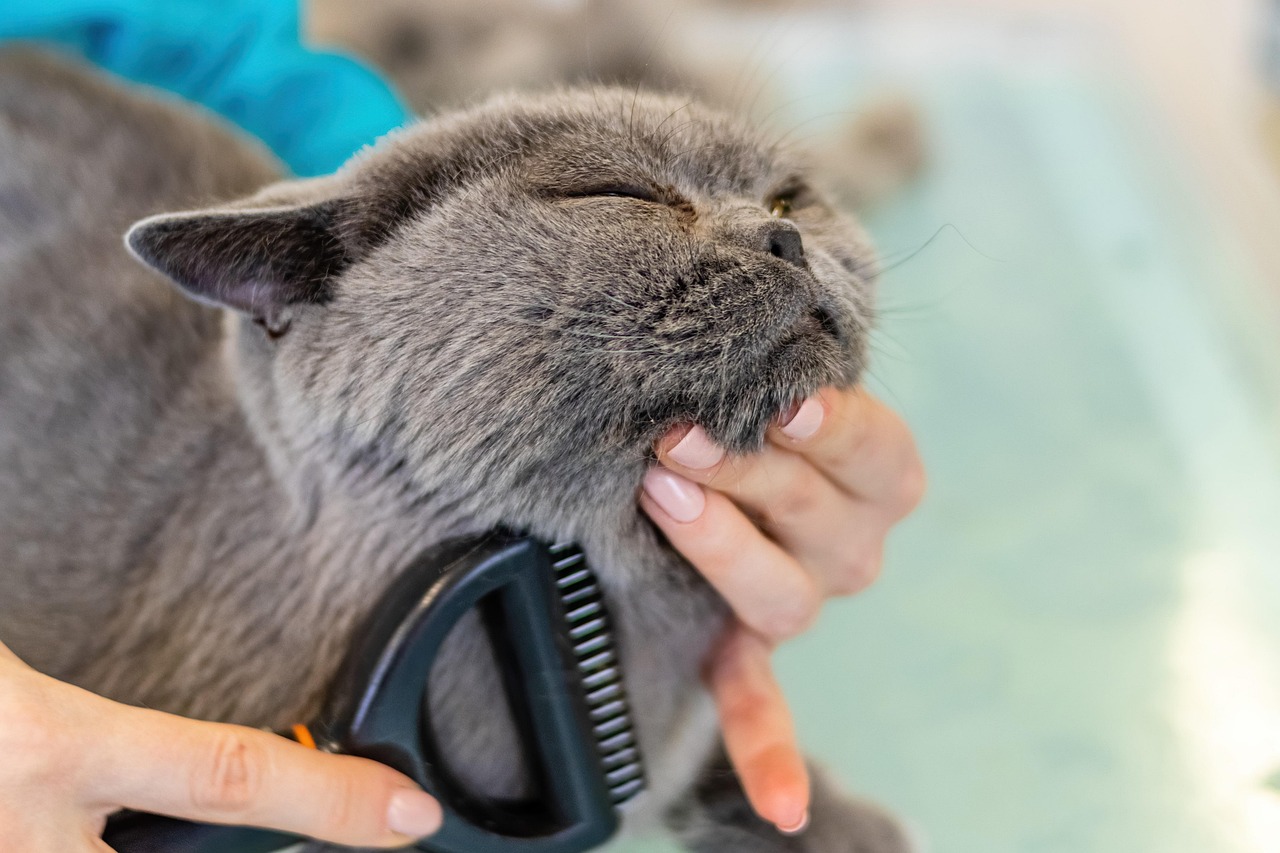
Grooming your cat is a critical aspect of its overall health and well-being. However, several common mistakes can lead to negative experiences for both you and your furry friend. The first mistake many cat owners make is not establishing a consistent grooming routine. Cats can easily become stressed if they are groomed infrequently. It’s important to set aside time each week for grooming sessions. Use tools appropriate for your cat’s coat type, whether short or long. Another mistake is neglecting to check for mats or tangles regularly. Mats can lead to skin problems and are often painful for your pet. Be sure to comb through your cat’s fur regularly and gently remove any knots. Additionally, owners often overlook cleaning their cat’s ears and paws, which can accumulate dirt and debris. Always be gentle when handling sensitive areas like ears and paws. Finally, don’t forget to reward your cat with treats and praise during grooming to create positive associations. This can ensure they look forward to the grooming process rather than seeing it as a chore.
Another common grooming mistake is using the wrong products or tools on your cat. Cats have unique skin and fur that require specific types of grooming tools. Many owners default to human grooming tools, which may not be suitable. Instead, invest in high-quality brushes and combs designed specifically for cats. Look for tools that cater to your cat’s coat type, as some fur is thicker or curlier than others. Also, don’t forget to consider your cat’s temperament—some cats may be more accepting of brushing or combing than others. Moreover, using human products such as shampoos can harm your cat. These products are often formulated for human skin, not for feline needs. It’s crucial to choose pet-safe grooming products that are hypoallergenic and designed for cats. Additionally, always test a small amount of any new product on your cat’s skin before full application. This will help you gauge any potential allergic reactions. By selecting the right tools and products, you can ensure effective grooming while maintaining your cat’s health and comfort.
Common Grooming Techniques to Avoid
When grooming your cat, certain techniques are best avoided to prevent unnecessary stress or injury. For one, pulling too hard on tangles is a significant mistake. Always be gentle and use de-shedding tools or conditioners to loosen mats before attempting removal. This makes the process easier and more comfortable for your cat. Another technique to avoid is rushing the grooming session. This can lead to a negative experience, leaving your cat anxious about future grooming. Instead, take your time, allowing breaks if your cat becomes restless or agitated. Additionally, do not ignore your cat’s body language during grooming. Signs of distress can include flattened ears or a twitching tail. If you notice any of these behaviors, take a break or stop the session altogether. Lastly, avoid bringing your cat to grooming sessions unprepared. A cat that has not been accustomed to grooming can become overwhelmed in a new environment. Instead, practice grooming at home, gradually introducing your feline friend to the process. This can make future grooming appointments much easier and less traumatic.
Neglecting diet in relation to grooming is another oversight many owners make. A balanced diet plays a vital role in maintaining your cat’s coat and skin health. Poor nutrition can lead to dry skin and excessive shedding, making grooming more challenging. Make sure to provide high-quality cat food that contains essential fatty acids and vitamins. These nutrients can enhance coat shine and texture, making grooming periods smoother. Moreover, fresh water is equally important to maintain coat luster and skin hydration. As you improve your cat’s diet, you may notice fewer grooming issues over time. Additionally, remember to keep your cat hydrated, as dehydration can also lead to dry skin, further complicating grooming. Regularly reviewing your cat’s dietary habits ensures optimal health, which reflects directly in grooming results. You can also consult your veterinarian about specific diet plans that cater to your cat’s individual grooming needs. By addressing diet in your grooming regime, you can be proactive in preventing grooming issues and keeping your feline looking fabulous.
Understanding Seasonal Changes and Grooming
Seasonal changes can greatly impact your cat’s grooming needs, and understanding these changes can prevent grooming challenges. During the spring and summer, cats often shed their winter coats more heavily. This means you may need to increase the frequency of grooming sessions to manage shedding effectively. Regular brushing eliminates loose fur, helping to reduce hairballs and keeping your home cleaner. Conversely, in fall and winter, some cats’ coats become dense and may require specialized grooming. Long-haired breeds, in particular, may need extra attention during this time to avoid mats and tangles. Adjusting your grooming routine seasonally allows you to better cater to your cat’s changing needs. Additionally, consider the environment; if your cat spends time outdoors, dirt and debris can accumulate, requiring more frequent grooming. Always keep an eye on your cat’s coat condition and adjust your grooming schedule according to its needs. The more attentive you are to these aspects, the healthier and shinier your cat will look throughout the year.
Grooming is an excellent time to bond with your cat, but many owners overlook this aspect. Some common mistakes can hinder this bonding experience. Firstly, not allowing your cat to feel comfortable during grooming can create barriers. Always create a relaxing environment, minimizing loud noises or sudden movements. Furthermore, holding your cat too tightly can create discomfort and anxiety. Instead, provide support without restricting movement, allowing your cat to feel secure while being groomed. Additionally, don’t forget to take breaks; frequent pauses allow your cat to relax and even reward them with treats or toys throughout the session. Also, try to talk to your cat throughout the process, providing soothing words and gentle strokes for reassurance. Establishing a grooming routine based on positive reinforcement will strengthen your bond over time. A peaceful grooming experience creates a sense of trust between you and your feline friend. Ultimately, the goal is to foster positivity during grooming, making it an enjoyable activity for both you and your cat.
Conclusion and Final Tips
In conclusion, successful grooming requires knowledge and practice to avoid common pitfalls. By being aware of grooming mistakes, you can prevent stress for both you and your cat. Remember to establish a regular grooming schedule, as consistency is key. Using appropriate tools and products aids in effective grooming while ensuring your cat’s well-being. Avoid harsh techniques or rushing, allowing your cat to become accustomed to the process comfortably. A balanced diet also plays an essential role in maintaining coat quality, which can positively influence grooming sessions. Finally, don’t forget that grooming is an opportunity for bonding. With patience and understanding, you can transform grooming into a pleasant experience. It’s about creating positive interactions that contribute to a happy and healthy relationship with your feline friend. Emphasize comfort, relaxation, and rewards to make grooming enjoyable. By following these tips, your cat will not only look great but will feel secure and loved during the grooming process. Make grooming a positive experience, and you’ll notice the difference in your cat’s appearance and demeanor over time.
….