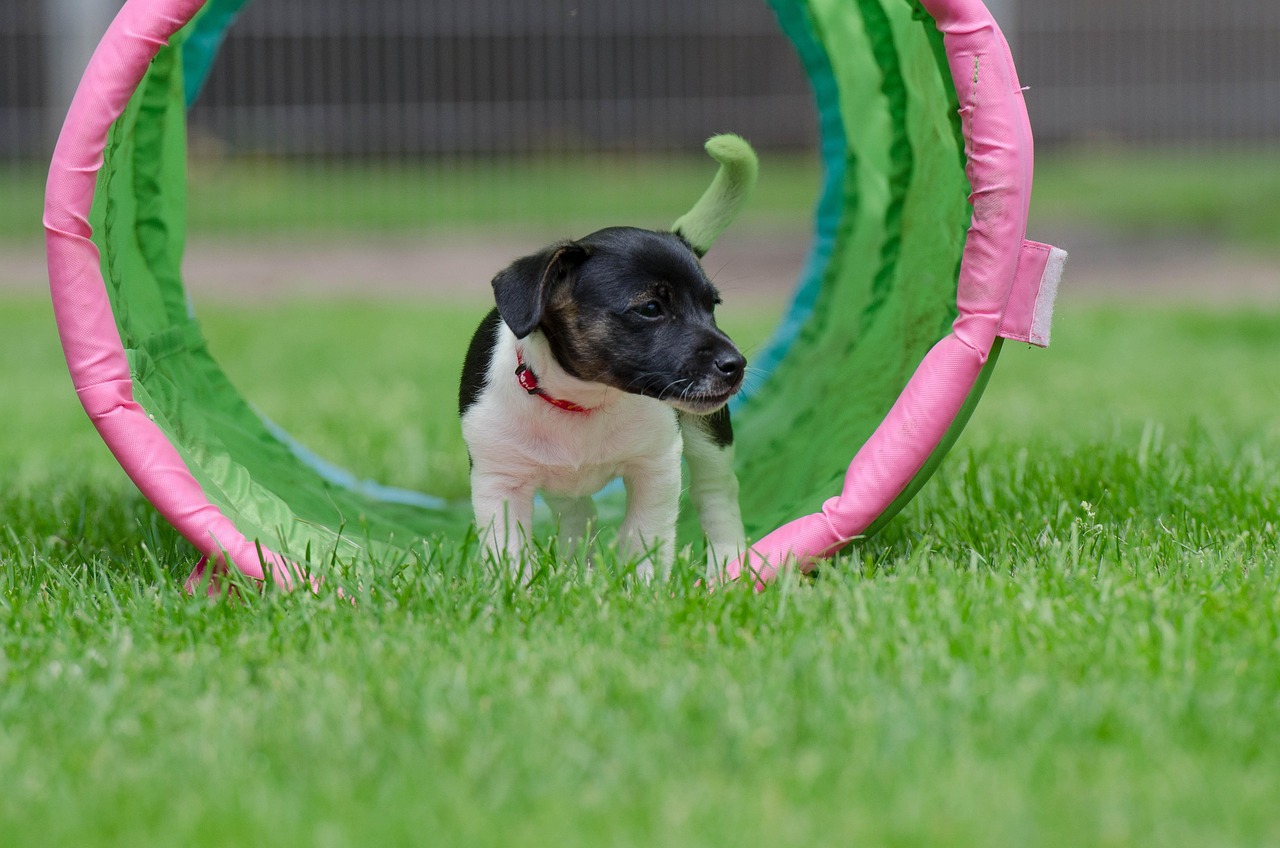

Encouraging Puppy Socialization Through Neighborhood Events
Puppy socialization is vital for raising a well-adjusted dog. One effective way to encourage this is through community events designed specifically for dog owners and their pets. Local parks can serve as gathering spots for such events, allowing pups to interact with one another while their humans enjoy a leisurely environment. Additionally, incorporating fun activities can help alleviate anxiety for both dogs and their owners. Imagine an organized playdate where dogs can freely romp and explore various surroundings and smells, significantly enhancing their comfort with others. Moreover, planning themed gatherings lets owners know what to expect. For example, a “Puppy Playday” could feature agility courses and games to engage the canines. Proper supervision ensures fun remains safe. To enhance these events, local pet shops can offer sponsorship to provide snacks and treats for the dogs. Socializing at local events means not just training for puppies but also creating a network of support among owners. In fact, community events will strengthen bonds over shared experiences, fostering a culture of responsible pet ownership while paving the way for well-socialized dogs in neighborhoods.
Benefits of Participating in Community Events
Community events support puppy socialization beyond just the immediate interactions at gatherings. First, these events contribute to important life skills that puppies need, such as handling various stimuli like sounds, people, and other animals in a controlled environment. When puppies attend these events, they become accustomed to different dogs’ behaviors and learn appropriate limits. Additionally, owners gain insights into their dog’s reactions, enhancing their training approach. Attending neighborhood events fosters a sense of belonging within the local community, strengthening relationships among dog owners through shared experiences. This, in turn, promotes educational discussions about dog training and care. With like-minded individuals present, owners are encouraged to share tips and resources, creating a valuable exchange of knowledge. Also, community events can help mitigate behavioral issues, as regular socialization contributes to well-rounded dogs less prone to aggression or fear. Often, local trainers and veterinarians may host workshops or demonstrations during these events, enabling owners to better understand canine behavior. This collaborative environment creates a positive atmosphere for learning and growth, reinforcing the importance of community involvement in canine social skills.
Local businesses can also benefit from organizing or sponsoring dog socialization events. Firstly, partnering with local pet stores, grooming salons, or veterinarians creates opportunities for cross-promotion. Such businesses can set up booths to showcase products or services tailored for pets at these gatherings. This not only enhances event participation but also cultivates a customer base that recognizes the owners’ contributions. Secondly, events create fantastic marketing visibility, providing local businesses with a means to engage with potential customers directly. Furthermore, sponsoring an event can foster goodwill among the community, as businesses are seen as supportive of pet welfare. Lastly, employers can further their employee engagement initiatives by encouraging staff participation during these events, fostering collaboration while volunteering together for a shared cause. Ultimately, creating a fun and educational experience for everyone promotes a favorable community image. Thus, it is essential that local businesses consider such involvement as a win-win scenario that supports community and fosters loyalty. Building lasting relationships is essential not only for clients and customers but also for the business itself that thrives on community partnership.
Planning Successful Dog Socialization Events
To ensure successful dog socialization events, thoughtful planning is essential. First, identifying a suitable location that provides ample space for dogs to interact, ideally with separate areas for different sizes or temperaments, reduces stress. Including exercises or stations designed to keep dogs engaged—such as puppy obstacle courses or sensory trails—encourages play while building confidence and skills. Second, securing permits or permissions from local authorities is necessary to ensure compliance with city regulations. Finding volunteers or coordinators who can assist during the event training to supervise dogs and facilitate owner interactions is crucial. Informing participants about the expected dog behavior and introducing them to the event layout minimizes conflict and enhances the overall experience. To maximize attendance, advertising via social media platforms, local pet groups, and community boards can generate interest and participation. Finally, providing a feedback opportunity after the event can help improve future gatherings to include participants’ thoughts and suggestions. Incorporate a festive atmosphere with themed decorations and activities, ensuring that dogs and their owners look forward to returning for future events. Engaging the community fosters a sense of belonging and enhances the socialization opportunities for all involved.
Another important aspect of organizing dog socialization events is ensuring safety for both dogs and owners. To achieve this, clear guidelines for dog behavior must be established beforehand. Owners should be encouraged to understand their dog’s temperament and to only allow dogs they believe can interact positively with others. Proper vaccinations and health documentation may be requested to prevent spreading illness, promoting overall health. Designating specific zones for socialization helps separate enthusiastic pups from those that prefer quieter spaces, fostering comfort for every dog. Employing trained staff or experienced volunteers capable of managing dog interactions minimizes risks associated with dogs becoming overwhelmed or aggressive. Incorporating emergency protocols ensures that any issues that arise are handled swiftly and efficiently, providing peace of mind for attendees. Additionally, ensuring hydration stations are available keeps dogs comfortable, especially on warm days. Offering pet parent education on recognizing dog body language fosters a better understanding of canine communication. Some dog events facilitate first aid stations for pets, ensuring quick responses to minor injuries. Through implementing these measures, community events promote not only socialization but also a safe, enjoyable environment for every participant.
Community Outreach and Collaboration
Successful dog socialization events benefit significantly from community outreach and collaboration. Engaging local animal shelters to join these events can create a unique platform for promoting adoption, pairing families with homeless pets and fostering new relationships. By inviting trained personnel from shelters to participate, they can share valuable insights about dog behavior and proper care. Collaborating with rescue organizations also enhances the events’ educational components, ensuring that new dog owners access necessary resources when starting their canine journey. Incorporating local dog trainers or behaviorists, who can offer workshops or demonstrations tied to socialization techniques, fosters knowledge sharing among participants. Partnering with community veterinarians enables event organizers to provide wellness checks, making health resources readily accessible. Additionally, organizing charity drives during these events for local animal shelters supports the community both directly and indirectly. Facilitating donation stations during gatherings ensures more community members come together, creating an opportunity for specialized pet supplies to be donated to those in need. This reciprocal relationship fosters compassion, encourages responsible pet ownership, and enhances the overall atmosphere of support for canines and their owners.
Building a community of responsible pet owners extends beyond initial socialization events. Organizers should consider regular gatherings as a means of maintaining the network of dog lovers and their pets. Post-event follow-ups can be conducted via emails or social media critically engaging participants in continuous community activities. Establishing ongoing meet-ups or smaller playgroups encourages dogs to continue socializing, fostering friendships that can last a lifetime. Additionally, this continuity supports owners in reinforcing training methods learned during events while nurturing their dogs’ social abilities. Regular events promote both owner accountability and provide opportunities for sharing experiences, ensuring that participants are invested in the well-being of their dogs. Creating a community newsletter can keep everyone updated on upcoming events, training tips, and success stories from the past gatherings. Inclusively, consider creating a dedicated online group or forum, which allows members to share advice and challenges about dog ownership. Leveraging digital platforms enables the reinforcement of the community and the continual education and support necessary for responsible dog ownership. By crafting a network of interconnected pet enthusiasts, the long-term benefits of socialization remain evident within the community.