
How to Manage and Train a Multi-Dog Household
Managing multiple dogs within one household can be both rewarding and challenging. Proper training techniques are essential to ensure all dogs coexist happily while also maintaining a harmonious environment. As a dog owner, it is vital to establish rules that apply to all dogs. Communication methods should be consistent, and positive reinforcement can help establish a strong bond. Using treats, praise, and affection can effectively encourage desired behavior. First, understand the individual personality and temperament of each dog before training them. This will aid in developing a tailored approach to suit all needs. Develop a routine that includes ample exercise, training, and socialization time. Engaging in group training sessions may also greatly benefit the dynamics of a multi-dog home. Incorporate various commands and skills to foster teamwork and reduce unwanted behaviors. Socializing your dogs with other pets and people can significantly help minimize jealousy and competition. Finally, consider seeking the help of a professional dog trainer familiar with multi-dog households to provide personalized insights. Remember, consistency and patience are crucial as each dog learns and adapts at its own pace. Mastering these techniques leads to a well-trained household.
Creating a Structured Training Environment
Establishing a structured environment is crucial for successfully training multiple dogs. Create designated spaces for each dog to retreat when needed, ensuring they have their personal area for rest and relaxation. Consistency in commands and routines helps each dog understand their expectations. For example, issuing batch commands such as “sit” or “stay” during meal times can prove beneficial. Use distinct vocal cues to distinguish each command, helping each dog to respond appropriately. Keep training sessions short but effective, lasting around 10 to 15 minutes. This duration helps maintain focus while minimizing frustration for both dogs and owners. Incorporate the use of leashes during training, as they provide physical control over individual dogs, allowing for better monitoring of their behavior. Moreover, practicing techniques in various environments teaches adaptability, such as moving training sessions outdoors. Dogs should learn to respond to commands regardless of distractions. It can also be beneficial to rotate training between dogs, offering each one time to shine while minimizing competition. Periodically evaluating progress through group training sessions helps reinforce learned behaviors and strengthens bonds. All of these measures will lead to success in managing a multi-dog household.
Dogs thrive on routine, and establishing schedules for feeding, play, and training is vital. Consistently feeding dogs at the same times daily helps regulate their digestive systems and reduces anxiety surrounding meals. Ensure that each dog understands its feeding area, allowing them to develop familiarity with their space. Additionally, feeding them separately may mitigate food aggression issues. Create a daily schedule that integrates ample exercise, both mentally and physically. Engage dogs in training sessions that stimulate their brains, such as tricks or problem-solving games. Regular exercise reduces hyperactivity and overall behavioral issues, as it helps burn excess energy. Implementing engaging playtime with toys or interactive games not only fosters fitness but also strengthens their social skills. Scheduling specific times for bathroom breaks helps maintain a clean home while minimizing accidents. Remember to adjust the schedule according to the dogs’ individual needs. Each dog may require differing amounts of physical activity, so observe their behaviors and adjust accordingly. Utilize tools like doggy daycare, if necessary, to maintain the social aspect of their training and to further understand their social dynamics. A structured environment equips dog owners with valuable tools for managing behaviors effectively.
Utilizing Positive Reinforcement Techniques
Utilizing positive reinforcement techniques is essential for training dogs effectively. Rewarding desired behaviors enhances the likelihood that dogs will continue to exhibit them. Start by identifying each dog’s preferred rewards—these may include treats, praise, or affection. Each dog responds uniquely to different incentives; therefore, it’s vital to tailor the rewards accordingly. Use treats during training sessions, gradually pairing the command with the action performed. For example, when teaching “sit,” immediately reward the dog after they fully comply. Timing is crucial: rewards must be given promptly, reinforcing the connection between the command and the behavior. Consistency in training ensures that dogs remain engaged and motivated, increasing their understanding of expectations. Avoid punishment-based techniques, as these can induce fear and lead to undesired behaviors. For multi-dog households, ensure rewards remain fair, with each dog receiving attention and acknowledgment. This can help mitigate competition between dogs. Vary the types of rewards during training to keep your dogs interested and engaged. Remember, happy dogs learn better. The focus should be on building trust and a positive relationship throughout the training process, creating a healthy environment for a multi-dog household.
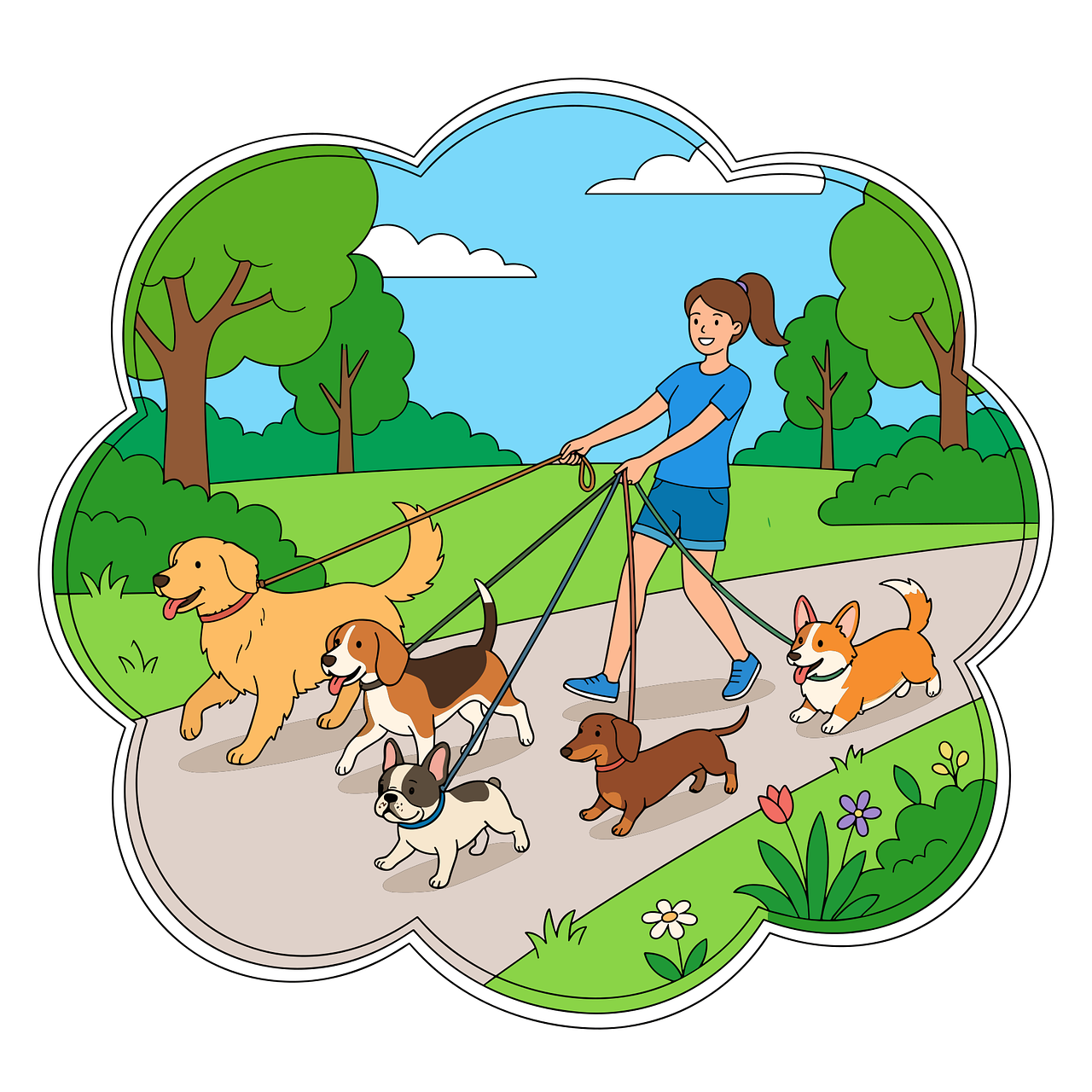
Managing the social dynamics within a multi-dog household is a fundamental aspect of training. Observe interactions between dogs, as understanding their relationships can inform training sessions. Pay attention to signs of jealousy or competition, and proactively address these behaviors. If one dog tends to dominate during play or training, practice taking turns, ensuring all dogs receive equal opportunities. Host controlled playdates with their canine friends, which allows for socialization and helps them learn to coexist peacefully. Engage dogs in cooperative rather than competitive activities. For instance, group training exercises about walking together as a pack can foster unity. Always avoid high-stress situations that might escalate tension among the dogs. Encourage calmness by introducing relaxation techniques, such as placing dogs on a mat while others are trained. Make sure you supervise interactions at all times, particularly with new introductions. Use positive reinforcement to reward calm behavior, contributing to an inherent understanding of acceptable social interactions. Regular evaluations of each dog’s behavior can indicate the effectiveness of strategies employed. Celebrate successes by recognizing individual accomplishments within the group. Ultimately, fostering a cohesive pack requires ongoing efforts and proactive measures from dog owners.
Incorporating Training Tools and Resources
Utilizing effective training tools and resources can streamline the process of training multiple dogs. Consider investing in durable collars, leashes, and harnesses designed for both safety and effective control. These tools are essential, especially during structured training sessions or outings. A reliable set of training treats will keep dogs motivated; choose low-calorie options that work within their dietary needs. Additionally, training clickers can be invaluable for marking desired behaviors, instantly creating a clear communication channel. Training guides or books tailored for multi-dog households can provide proven techniques and strategies, helping to facilitate effective training practices. Take advantage of technology, including training apps or online resources, that offer games and training tips specifically for group settings. Attending workshops or local training classes can provide invaluable hands-on experience and foster camaraderie with fellow dog owners. Ensure that anyone involved in the dog’s training is consistent in applying commands and rules. Gathering a support network, whether through family or pet-loving friends, can create encouragement and motivation to improve each dog’s skills. With the proper tools and resources in hand, training dogs becomes an enjoyable and rewarding experience for everyone involved.
Ongoing education is crucial for dog owners aiming to manage a multi-dog household effectively. Understanding different training philosophies and methodologies can aid in crafting a personalized approach tailored to each dog. Online courses, books, and workshops by certified trainers offer valuable insights into behavioral issues specific to multi-dog environments. Consider enrolling in canine first aid and CPR courses, which prepares owners for any potential emergencies, ensuring the safety of all pet family members. Participation in canine sports, like agility or obedience, can also deepen the bond between dogs and their owners while promoting continuous learning. Furthermore, joining online forums or local clubs gives dog owners a platform to share experiences and solutions. Establishing friendships within the dog-owning community can provide encouragement and support throughout the training journey. Regularly attending dog shows or training conventions can help to stay updated with the latest techniques in the industry. Be open to new ideas and approaches, as each dog is unique and may require different handling styles. Ultimately, continuously developing your knowledge will enhance your leadership skills as a dog owner, leading to well-adjusted, happy, and well-trained dogs in any household.
Building a multi-dog household can provide companionship and joy, but it requires diligent training and management techniques to maintain harmony. Every dog in the home deserves individual attention, training, and care. By following these guidelines, you will be well-prepared to manage their behaviors effectively and foster good relationships among them. With patience, commitment, and continual education, you will create a loving and supportive environment where all dogs feel secure. As you implement training techniques, be sure to celebrate small victories and recognize each dog’s unique personality. By embracing the individual needs of each dog, your household will thrive and reflect your efforts in nurturing their growth. Regular socialization and exposure to different situations will help minimize behavioral issues. This way, your multi-dog family can adapt to various circumstances with confidence. Each dog will become a vital part of a cohesive unit that displays understanding and camaraderie. In summary, managing and training a multi-dog household is a fulfilling yet challenging endeavor that, when approached thoughtfully, can lead to an enriching experience for both humans and dogs.