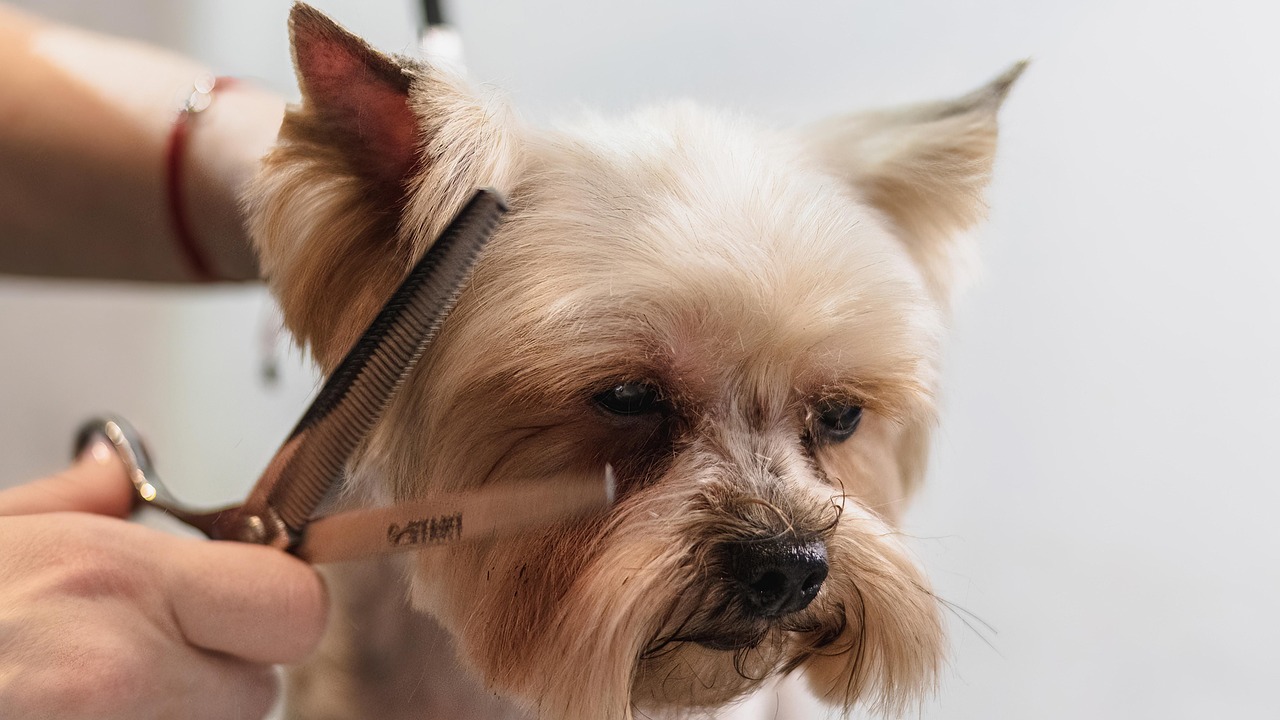

How to Spot Grooming-Related Skin Issues Early
Grooming your dog is essential for their health, but recognizing skin issues early can be even more critical. Skin problems can arise from various sources, including grooming practices. Regular examination while grooming can help catch these issues. Look for changes in your dog’s skin condition, such as color discoloration or unusual lumps. Dry patches, bumps, and redness are key indicators of potential problems. Additionally, be attentive to any shifting in your dog’s behavior; they may become more sensitive or agitated when touched. Gathering information about grooming tools is vital, as using the wrong products or techniques can exacerbate skin conditions. Always opt for appropriate brushes and shampoos, suited to your dog’s specific fur type. Frequent baths or improper cleaning can lead to skin irritation, hence requiring careful monitoring of bathing frequency. Daily inspections can help ensure your dog remains healthy and reduce the likelihood of future problems. Remain vigilant, as some skin conditions arise quickly, such as allergic reactions or infections. Prevention through proper grooming practices plays a significant role in minimizing these risks for our furry friends.
Understanding the differences between home grooming and professional services is crucial. Home grooming can be convenient; however, depending on how skilled the groomer is, the results might vary. If you groom your dog at home, ensure you have a complete grooming kit available. Familiarize yourself with the tools and their usage to avoid mishaps. For example, scissors can be hazardous if not used carefully. Poor grooming techniques can irritate your dog’s skin, leading to further issues. Many dog owners prefer to leave the grooming to professionals, especially for complex cuts or breeds with specific grooming needs. Visiting a professional grooming facility ensures your dog receives specialized attention to their grooming requirements. Moreover, trained professionals can identify subtle skin issues early on. They benefit from experience, which contributes to high-quality grooming with reduced risk to your pet’s skin health. When comparing costs, weigh the professional service investment against the long-term benefits of catching potential skin problems early. Consider both methods in your approach to your dog’s grooming routine, aiming for the best combination that suits their individual needs.
Recognizing Common Skin Issues
Familiarizing yourself with common skin issues can aid in quick detection. Allergies often manifest through red patches or itching. Examine your dog’s skin regularly for signs of irritation, especially after outdoor activities. Fleas and ticks can also lead to significant discomfort and skin complications; hence, preventively treating your dog is essential. Infections may not always be evident, but checking for any unusual odors or persistent scratching can be crucial for early identification. Hot spots are localized areas of irritation that can develop suddenly and require immediate care. Be cautious of any fluid-filled bumps; they may be cysts that need veterinary attention. A healthy diet also impacts skin condition; therefore, a well-balanced food regimen is essential for maintaining skin integrity. Keep in mind that dogs can have varying reactions to different materials, so be sure to consider what your dog is exposed to regularly. Additionally, environmental factors such as climate changes could influence skin health. Before trying new grooming products, consult with your veterinarian if your dog has pre-existing conditions or known sensitivities, always aiming for a safer grooming experience.
When examining your dog’s skin, here’s a list of vital areas to inspect thoroughly:
- Behind the ears
- Under the legs
- Between the toes
- Along the spine
- On the belly
These locations are often overlooked but may harbor skin issues that could escalate without timely notice. Check your dog’s skin while grooming carefully; this allows comprehensive inspection without stress or complication. While grooming, ensure to maintain a gentle touch and observe your dog’s behavioral reactions. If they show signs of discomfort, you might be touching an bothered area. Regular grooming sessions act as an excellent opportunity for fostering a bond with your dog while actively caring for their skin health. If you discover any indication of irritation or concern, it is crucial to seek veterinary advice promptly. Many skin conditions can develop rapidly, leading to discomfort for the dog. By maintaining regular grooming routines and diligent inspection methods, you can ensure that you are acting in your dog’s best interest in preventing serious skin-related issues.
Managing Skin Conditions
If you detect a skin issue, management is vital for your dog’s well-being. Consult your veterinarian promptly to obtain a proper diagnosis and treatment plan. Depending on the condition, they may recommend specific medications, topical treatments, or changes in grooming practices. Ensure you communicate any changes observed during grooming, including the development of spots or odors. Certain skin afflictions may require consistent care or prescriptions, but many are manageable with early intervention. Besides medications, some dogs benefit from changes to their diet, enhancing skin health through nutrition. Regular cleaning of grooming tools is essential to prevent cross-contamination. Ensure to maintain a high hygienic standard for your dog’s grooming equipment; contaminated tools can introduce new skin problems. Moreover, consider occasional professional grooming visits even when managing minor skin issues. A professional can apply advanced techniques or therapies to alleviate your dog’s discomfort and restore skin health. Continue diligent monitoring after treatment to catch any recurring problems quickly. Your dog’s comfort is paramount, and attentive management promotes overall wellness and happiness.
Taking proactive measures can minimize the likelihood of skin issues. When choosing grooming products, look for those designed for pets with sensitive skin. They often contain fewer harsh chemicals, resulting in a less irritating experience for your dog. Bathing frequency also plays a significant role; too frequent baths can strip natural oils from the skin, potentially leading to dryness and irritation. Instead, strike a balance that suits your dog’s specific requirements based upon their lifestyle. Additionally, regular brushing helps to remove dander and dirt, contributing to a healthier coat. Keep in mind that grooming should not cause stress or anxiety for your dog. Make it a positive experience by associating grooming with treats and praise. Gradual acclimation to grooming routines will encourage a more cooperative environment for these necessary activities. Routine veterinary visits are equally important; ensure that your dog is up-to-date with vaccinations, and talk to your vet about any concerns regarding grooming. The earlier you can address skin concerns, the more effectively you can manage them, ultimately leading to better outcomes for your furry friends.
Conclusion
In conclusion, early detection of grooming-related skin issues can save your dog from pain and discomfort. Regular home grooming not only maintains a tidy appearance but also provides an excellent opportunity to check for skin problems proactively. Be vigilant; monitor your dog’s skin condition and keep an eye out for any abnormalities. By developing a practical grooming routine, you are investing in your dog’s long-term health and well-being. Professional grooming services can augment your efforts, allowing experts to spot issues you may miss. Whether you groom at home or hire professionals, both approaches require a commitment to your dog’s health. Equally crucial is the impact of nutrition and lifestyle; ensure your dog receives proper grooming, diet, and love. With combined efforts, you can effectively manage and prevent skin-related issues. Ultimately, your dog’s comfort and health should always come first. Establish a routine that accommodates preventive care, and respond swiftly to any signs of skin trouble. By doing so, you contribute significantly to your furry friend’s well-being, ensuring they enjoy life to the fullest.