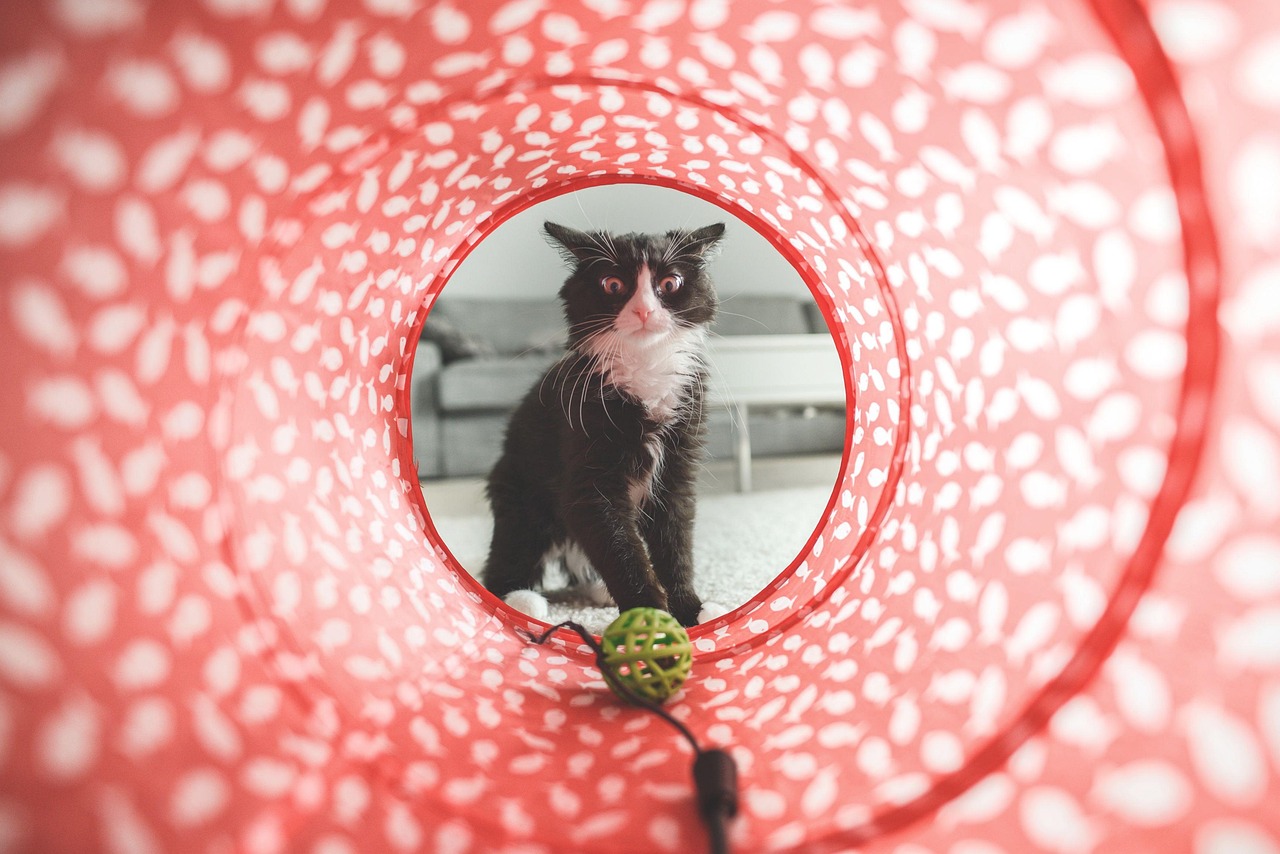

How to Use Commands to Create Gentle Play Sessions with Your Cat
Creating gentle play sessions with your cat is all about understanding their body language and preferences. Start off by observing your cat’s behavior; what toys do they enjoy? Cats exhibit different reactions to various stimuli, so pay close attention to their preferences. Using commands effectively can enhance playtime. For instance, using a simple “come” might engage your cat, drawing them closer for interactive play. This can establish a bond and facilitate growth in your relationship. Remember, gentle commands should never force your pet to do something they dislike. Instead, use positive reinforcement to encourage participation. Commands like “sit” or “paws up” can also be integrated when teaching your cat to interact with toys or grabby hands. It’s important to use a calm tone, avoiding loud phrases that might scare your pet. A consistent command structure builds familiarity and understanding. Incorporate treats for successful commands, which can motivate your pet. Therefore, patience is fundamental in your approach, making every play session a pleasant experience. Lastly, observe the energy levels of your cat, adjusting commands to suit their mood, promoting a healthy and interactive playtime experience.
To enhance your cat’s interactive play sessions, consider using various toys designed specifically for gentle playtime. Soft, feathered toys often attract cats due to their natural hunting instincts. By implementing a command like “catch” when throwing a toy, you can make playtime more interactive. Cats thrive on routine, so establishing a regular play schedule reinforces your bond and brings structure. Over time, your cat will anticipate these sessions, making them eager participants. Always ensure the intensity of play is suitable for your cat’s age and health. Older or more sedentary cats might prefer slower-paced sessions, while younger cats may enjoy fast-paced interactions. Incorporating breaks during play helps to prevent overstimulation, allowing your cat the chance to catch their breath. Encourage gentle grappling behaviors with commands that foster light interaction. For instance, use “easy” when you notice them getting too intense. This command helps them learn to play softly, avoiding potential injuries to both the cat and their human companions. Highlight the importance of watching how your cat responds to various commands, ensuring a balanced and respectful play environment that accommodates their unique traits and preferences.
Tailoring Commands to Your Cat’s Response
Tailoring commands to your cat’s unique responses enhances the effectiveness of playtime interactions significantly. Recognizing specific behaviors can lead you to develop commands that resonate with your feline friend. For instance, if your cat enjoys chasing laser pointers, using a command like “chase” can amplify their excitement during play. Cats often associate specific sounds or commands with actions. By repeating these consistently, you reinforce their understanding of play expectations. If they respond positively, offer rewards like treats or gentle praise. This not only encourages continued engagement but also helps build a positive association with the actions you desire them to take. Furthermore, keep in mind that not all cats respond to the same commands. Some may be more attuned to visual cues, while others respond better to auditory commands. Spend some time experimenting with different words and signals to see what resonates best. Create a small vocabulary of commands that your specific cat seems to respond to best, enhancing interaction and fun. Ultimately, positive experiences will elevate your cat’s confidence and willingness to engage during play sessions.
Engaging in gentle play requires understanding your cat’s mood and adjusting your approach accordingly. Sometimes, cats may not feel like engaging in play, and respecting their mood is crucial. Use commands sparingly during these times, ensuring you don’t overwhelm them. Try using a soothing voice to gently coax them into interactive play when they are in a more lively mood. Similarly, incorporate toys their mood appears to favor that day. This might involve switching between feather toys, crinkle balls, or even interactive puzzle feeders that promote gentle engagement. Always observe your cat’s body language closely. Is their tail high and swishing, indicating excitement, or are they lying flat, showing disinterest? Align your commands with these signs to ensure positive interactions. Keep your play sessions short and lively, allowing for bursts of fun without wearing them out. Also, incorporate some quiet moments where both of you can bond without intensive interaction, creating variety in playtime dynamics. A routine that emphasizes the importance of periodic breaks helps to regulate their energy and makes play sessions enjoyable in the long run, thus strengthening your connection.
Utilizing Positive Reinforcement
Implementing positive reinforcement within your command structure can significantly enhance your cat’s play experience. Every time your cat successfully follows a gentle command, offering a reward fosters a positive association. For instance, when your cat responds well to commands like “come” or “playtime,” immediately providing a treat helps them connect playful commands with enjoyable outcomes. This immediate feedback is essential in reinforcing desired behaviors. Be consistent in your rewards, ensuring they are appealing to your cat. Things like small treats or even extra affection can motivate them during play sessions. Remember that every cat is different; discovering what motivates your furry friend is key. A good command structure might involve a gradual approach, introducing new, easy commands before progressing to more challenging ones. Keep sessions enjoyable, breaking up periods of play with affection, which helps communicate love and care. Moreover, focus on responses; ensure you’re only rewarding genuine attempts to follow commands. This strategy encourages your fading cat to engage over time. Consequently, gentle play becomes a trusted, enjoyable framework for exploration, exercise, and bonding, paving the way for a deeper, mutual understanding between you and your feline companion.
Creating an enriching environment amplifies the effectiveness of your command structure during gentle play. Infusing your area with an array of toys can entice your cat to engage positively, showcasing their playfulness. Rotate toys regularly to maintain interest and excitement. A successful command structure relies heavily on your cat’s engagement and enthusiasm during playtime. Engage different senses by introducing various textures or sounds in toys, facilitating gentle interaction levels during play. If your cat enjoys climbing, consider providing cat trees or shelves, allowing them space to explore while responding to commands. This encourages physical exercise, enhancing both their health and play experience positively. Building sessions that cater to their instincts creates a fulfilling atmosphere. Moreover, feasible options such as interactive feeding toys can merge eating and playing, adding a twist to mealtime. This encourages gentle commands related to retrieving or playing with food, keeping your cat mentally stimulated. Balancing variety within their environment means play can adapt as your cat grows or changes. Therefore, continuous assessment of their preferences over time solidifies your approach, ensuring gentle play remains a cherished experience that both of you can enjoy together.
Conclusion and Future Playtime Strategies
In conclusion, establishing a gentle play routine using commands significantly enhances the bond between you and your cat. Integrating various commands into the play sessions cultivates a positive interaction atmosphere where both of you can thrive. This holistic approach considers the feline temperament, energy levels, and preferences, ensuring sessions remain enjoyable and engaging. Successful gentle play addresses their needs while fostering trust and understanding. Such a routine requires patience and consistency, which cultivate a fruitful relationship over time. Monitoring your cat’s feedback to adjust commands ensures an adaptable learning process, fostering exploration and delight. Remember to celebrate achievements, no matter how small, to motivate them further. Over time, shared experiences during play can lead to deeper emotional connections. Furthermore, these strategies don’t end here; consistency in reviewing commands and noticing changes in their behavior regarding play will keep the sessions relevant and optimize engagement. Also, consider involving other family members while ensuring everyone adheres to the established command structure. This nourishes a well-rounded interaction dynamic, allowing your pet to feel loved and engaged across different environments. Ultimately, gentle play nurtures a lasting bond that culminates in a happy and healthy cat.
Utilizing commands effectively in gentle play can transform your interactions with your feline friend into cherished memories. Remember that patience and understanding are key factors in your approach, creating a nurturing environment for your pet. Therefore, look forward to implementation and enjoy the journey of discovering what resonates best with your cat while playing. Each successful play session lays the groundwork for prosperity and overall happiness in both your lives.