
Indicators of Social Confidence in Cats
Understanding the signs that your cat is well socialized is crucial for pet owners. A well-socialized cat exhibits behaviors reflecting their comfort and confidence around humans and other pets. These cats often seek out interaction and display a relaxed demeanor when engaging with their surroundings. One prominent sign is when a cat approaches you without hesitation; this indicates trust and a desire for companionship. Another significant indicator is their curiosity while exploring new environments. When a cat confidently investigates unfamiliar areas, it showcases their ability to adapt. Furthermore, well-socialized cats are more likely to play with toys and engage with their owners actively. Vocalizations are another aspect to consider. A cat that meows comfortably and communicates seeks interaction. Lastly, a confident cat demonstrates positive body language, such as a relaxed posture and a raised tail. It’s essential to observe these signs regularly to ensure your feline friend feels secure in their social interactions.
Moreover, the level of socialization often determines how your cat reacts to strangers. A well-socialized cat is likely to approach new individuals rather than hide. This adaptability allows them to acclimate swiftly to diverse social situations, which is crucial, especially if you frequently have visitors. Additionally, cats that respond positively to being handled are generally more confident. These cats don’t shy away from petting and may even enjoy being groomed. Social confidence can also be seen in their willingness to share space with other pets. For instance, a cat that plays amicably with dogs or other cats demonstrates high levels of comfort. Their interactions often reflect a playful and non-aggressive nature. Exposure to various environments, people, and pets during their formative months is vital for building this confidence. Encouraging exploration and social interactions in a controlled manner supports their gradual adjustment to new experiences. Lastly, socialization is an ongoing process; even adult cats can improve with patience, routine interaction, and encouragement.
Physical Indicators of Socialized Cats
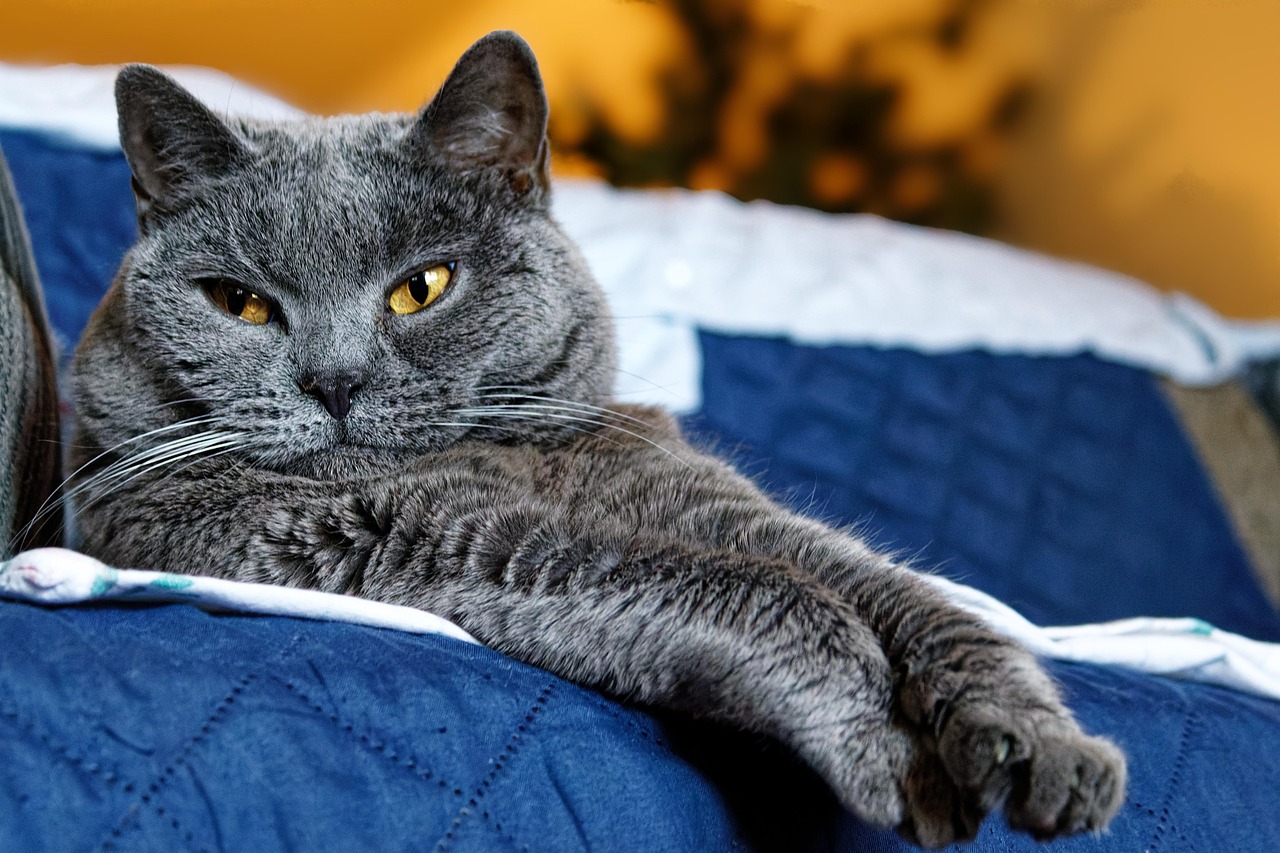
Physical indicators also play a vital role in assessing your cat’s social health. Relaxed body language is essential; a cat that feels secure will have a loose, relaxed posture, as opposed to being tense or crouched. When a cat lies down on its back or side with its belly exposed, it’s a sign of trust, indicating they’re comfortable in their environment. Additionally, a cat’s tail position provides clear signals about their emotional state. A raised tail indicates happiness and confidence, while a lowered tail can signify fear or anxiety. The ears are also telling; ears that are upright and facing forward suggest curiosity and engagement. Conversely, flattened ears typically indicate distress or discomfort. Observing these physical traits is crucial in interpreting your cat’s feelings. A confident cat will purr when content; they may even knead their paws, showcasing their bliss. The ability to express themselves physically reflects their overall well-being. Understanding these physical cues aids in nurturing a supportive atmosphere, contributing to your cat’s social success.
Behavioral Signs of a Confident Cat
Behaviorally, confident cats engage actively with their surroundings, displaying vibrant personalities. One notable behavior is playfulness; a cat willing to chase toys or engage in interactive play shows a high degree of comfort and socialization. A confident cat will often initiate playtime, showcasing their energy and enthusiasm. They may also demonstrate playful hunting behaviors, such as pouncing and stalking, indicating a healthy expression of their natural instincts. Equally important is their ability to adapt to changes; a well-socialized cat is less likely to react negatively to new situations, showing flexibility. Social interactions with other pets can also indicate a confident demeanor. Cats that groom one another or partake in playful tussles demonstrate comfort levels, revealing strong social bonds. Aggression during play can signal insecurity; healthy socialization generally promotes friendly behaviors. Your cat’s willingness to share resources, like food and space, often indicates social competence. These behavioral patterns reflect their emotional state and the extent of their socialization, reinforcing their social wellness.
Another critical aspect to consider is the duration and frequency of social interactions. A confident cat won’t shy away from visitors, actively engaging with guests who enter your home. They’ll often approach new people, accompanying their curiosity with a friendly demeanor. A well-socialized cat may jump into laps or rub against legs, seeking affection from those around them. Reacting positively to gentle handling and petting is also a key sign of strong social confidence. Cats that meow or purr during affectionate moments often feel at ease in social settings. By contrast, cats that retreat to hidden spots or exhibit signs of aggression show hesitation and insecurity. Providing a balanced environment where social interactions occur regularly helps reinforce positive behavior. Additionally, exposing your cat to novel stimuli – like different people or new pets – is vital in building their socialization skills. Cats must feel secure during these experiences to develop healthy relationships, making gradual exposure a critical method for fostering confidence in young cats.
Understanding Individual Differences in Cats
It’s essential to understand that individual cats have different socialization thresholds. Some breeds are inherently more sociable and may exhibit signs of social confidence more readily than others. While many cats can thrive in social settings, personality traits and past experiences significantly influence their comfort levels. For instance, rescue cats may initially take longer to warm up due to prior traumatic experiences. It’s crucial to accommodate these individual needs when assessing social confidence. Social upbringing and environmental exposure during kittenhood are also significant factors. Cats that have experienced a variety of human interactions and environments during their sensitive periods often exhibit less fear and aggression. Therefore, recognizing and respecting a cat’s personality can help owners foster strong bonds through understanding. Encouraging gentle, positive, and patient interactions can enhance confidence over time, regardless of the cat’s initial demeanor. Ensuring that socialization remains a fun, enjoyable process will yield long-term benefits, building a foundation of trust and security in your relationship with your pet.
In conclusion, identifying the signs of a well-socialized cat is critical for understanding your feline’s emotional health. Observing behavioral, physical, and interactive traits allows owners to gauge their cat’s comfort levels. Cats that exhibit curiosity towards new environments, engage playfully, and display relaxed body language are generally well-adjusted. It’s pivotal to create an atmosphere of love, security, and patience, encouraging positive interactions without overwhelming your cat. Moreover, respect for individual differences is vital. By nurturing each cat’s unique personality and comfort thresholds, owners pave the way for stronger bonds. Continuous socialization throughout a cat’s life enhances their adaptability and comfort in diverse situations. Always reward your cat’s attempts to socialize positively, reinforcing good behavior with treats or affection. This positive reinforcement nurtures their self-esteem, encouraging further exploration and curiosity. Pay close attention to your cat’s cues, recognizing that change may take time. Ultimately, your awareness and understanding play pivotal roles in ensuring your cat becomes a confident, well-socialized member of the family, enriching their life and yours.
By recognizing the signs of social confidence, pet owners not only enhance their relationship with their feline friends but also contribute to their overall well-being. Engaging with a happy and comfortable cat can lead to better behavioral traits, fostering a joyful environment for both pet and human. As you observe your cat, keep in mind their individual charm and personality, evaluating their unique behaviors and responses. Promoting a warm and secure atmosphere, along with structured socialization methods, greatly impacts their development. Always celebrate their progress, giving them space for exploration while ensuring they’re never overwhelmed. Integrating gradual exposure to new situations will help hone their social skills, ultimately producing a confident companion. Remember to include regular visits to the vet as part of your routine, ensuring your kitty’s health aligns with their emotional state. A healthy cat is often a happier one, reflecting positively on social interactions. By weaving all these practices into their daily life, you’re not just creating a socially adept cat but also nurturing a loving bond that flourishes over time. Your investment in their socialization journey will significantly improve both their happiness and your mutual enjoyment.