
Recognizing Early Signs of Aggression in Socializing Dogs
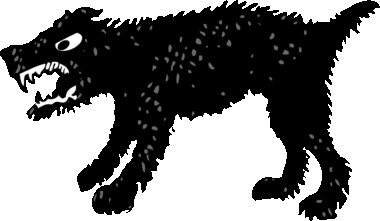
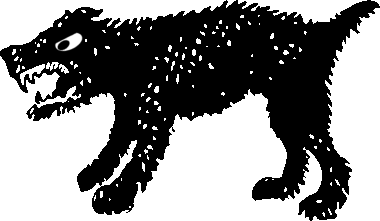
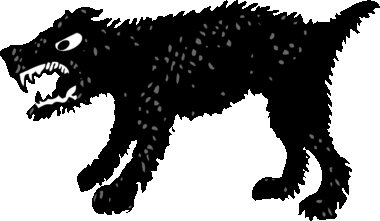
Dog socialization is essential for a balanced and well-adjusted pet. It involves exposing dogs to various environments, people, and other animals. Dealing with aggression during socialization is crucial for ensuring a safe experience. Recognizing early signs of aggression can help prevent potential issues. Dogs communicate primarily through body language. Changes in posture, growling, and raised hackles can indicate discomfort and aggression. It is crucial for dog owners and trainers to learn these signs for better management. Some common signs include stiff bodies, sudden freezing, or excessive barking. If a dog displays any aggressive behaviors, promptly intervening is vital. This doesn’t always mean the dog is aggressive; perhaps it feels threatened or anxious. Understanding triggers is key to mitigating such situations. Regularly observing your dog in social settings will help in noticing patterns in their behavior. Creating a calming environment with positive reinforcements can facilitate peaceful interactions. Ultimately, early intervention can make a significant difference in the development of socially competent, friendly dogs. It is important to prioritize socialization from an early age to decrease aggression risks in the future.
Socializing dogs with various stimuli can be stressful for both owners and pets. Exposure to other dogs, unfamiliar sounds, and new environments plays a critical role in their development. To cultivate positive experiences, gradually introduce new situations. Aggressive behaviors during this process may arise from fear or insecurity. As dogs progress in their social skills, keeping a watchful eye is essential. Early signs of aggression should not be ignored. Owners must understand that socialization is an ongoing process. If the dog becomes overwhelmed, it can lead to defensive behaviors, including growling or snapping. Recognizing these signs allows owners to intervene before escalation occurs. Using a steady, calm voice can help soothe the dog, making it easier to navigate through distressing encounters. Likewise, providing a safe retreat where the dog can relax fosters confidence. Each dog’s temperament varies, affecting how quickly they adapt to social settings. Positive reinforcement techniques, such as treats and praise, reward desired behaviors. Additionally, proper training leads to better control over aggressive tendencies. Owners must also consider their own reactions, as dogs can sense human emotions, which can further influence their behavior.
Understanding Triggers and Prevention
Identifying triggers that provoke aggressive behaviors is critical in dog socialization. Triggers can include specific breeds, particular situations, or varying environments. Comprehensive observation and understanding create a more comfortable experience for both parties involved. For instance, if a certain dog breed consistently elicits a negative reaction, it may be beneficial to manage interactions. Recognizing these factors fosters a safer social experience for everyone. Preparing your dog for encounters with diverse stimuli can reduce anxiety and prevent aggression. This may involve introducing them to people of varying shapes, sizes, and temperament gradually. Additionally, engaging in structured playdates with familiar pets encourages positive associations. Socialization should encompass all aspects of a dog’s life, including exposure to cars, bicycles, and other unfamiliar entities. Teaching commands that facilitate obedience can be helpful. Commands such as “sit” or “stay” can redirect attention during potentially aggressive encounters. Furthermore, consider enrolling in obedience or socialization classes for guided experiences. Such environments prepare your dog for real-world situations, offering structured encounters under professional supervision. Overall, these practices contribute to developing a well-rounded, confident pet.
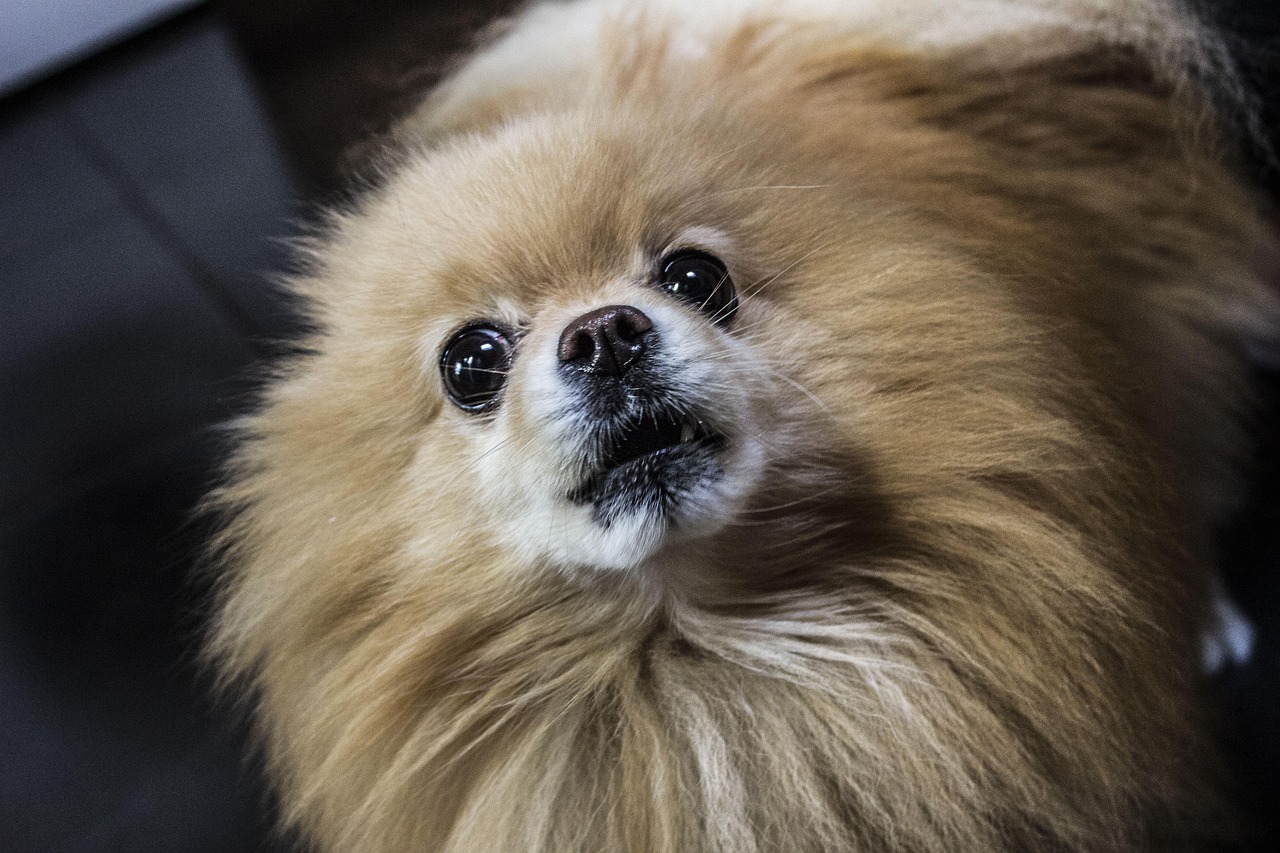
A vital aspect of recognizing aggression in dogs involves differentiating between playfulness and genuine aggression. It’s crucial for pet owners to understand the nuances of canine body language. Determining whether a dog is engaged in playful behavior or showing signs of aggression requires keen observation. For example, playful barking, while loud, may differ from aggressive vocalizations. Similarly, during play, a dog might wag its tail while remaining loose and relaxed. On the other hand, an aggressive dog may exhibit a tight, tense posture and a low growl. Another factor to consider is context; playful behaviors might be acceptable in known settings or with familiar companions. However, new encounters can heighten stress levels and catalyze aggressive reactions. Early identification of these behaviors can help in adjusting socialization techniques accordingly. Paying attention to social cues among dogs during interactions can also help in facilitating understanding. If a dog appears bored or overwhelmed, promptly redirecting their focus can manage the situation. Training sessions early on should provide ample opportunities for the dog to encounter various stimuli. Adjusting the pace of socialization to match the dog’s comfort level ensures a smoother transition into diverse social settings.
Proper Training and Guidance
Engaging with a qualified dog trainer or attending group classes can significantly enhance socialization efforts. Professional guidance helps dog owners identify signs of aggression and develop effective coping strategies. Trainers can provide valuable insight into behavioral patterns and the underlying causes of aggression. Tailoring training sessions to meet a dog’s individual needs ensures a personalized approach. For example, if a dog exhibits aggressive behavior towards larger dogs, special tactics may be necessary in training. Socialization classes often involve controlled environments where dogs can interact safely under supervision. Positive reinforcement techniques reinforce desired behaviors. Rewarding dogs for calm interactions with other dogs teaches them to associate socializing positively. Trainers can also assist in redirecting aggressive tendencies with distractions or obedience commands, ensuring manageable encounters. Gradually increasing social activity can promote confidence, decreasing fears over time. Consistency is crucial in dog training. Reinforcing good behavior continually fosters an understanding of expectations. Furthermore, routine practices encourage lasting habits and confidence. Engaging in training activities daily helps develop a well-adjusted dog prepared for various situations effectively.
For an owner, recognizing and addressing aggression in dogs goes beyond immediate situations. Understanding the long-term implications of a dog’s socialization experiences is key to maintaining a harmonious relationship. Socializing dogs effectively leads to confidence and comfort in diverse settings. Dogs that have been well-socialized typically display better behavior while meeting new friends, demonstrating responsibility towards both the pet and the community. Conversely, lack of socialization can result in anxiety and behavioral challenges throughout a dog’s life. Awareness of potential behavioral issues empowers dog owners to seek help when needed. This could involve consulting trainers, veterinarians, or behavioral specialists for targeted advice. In addition, commitment is essential in nurturing a well-balanced dog that responds appropriately to various situations. Being proactive in recognizing early signs of aggression allows for timely adjustments to socialization techniques. Additionally, creating opportunities for structured and relaxed interactions helps alleviate stress for both the owner and the pet. Ultimately, fostering a positive, nurturing environment encourages dogs to develop the skills needed for healthy social interactions. With patience, awareness, and dedication, overcoming aggressive tendencies in dogs is achievable.
Conclusion on the Importance of Vigilance
In conclusion, recognizing early signs of aggression during dog socialization is critical for promoting positive interactions. By understanding pet behavior, owners can significantly reduce the risk of aggression, ensuring a safe environment for their dogs. The continuous monitoring of body language and attitudes during socialization sessions empowers dog owners to make informed decisions. In addition, being aware of triggers can lead to more effective management of interactions and overall socialization experiences. Seeking professional guidance and employing proper training techniques contributes to a dog’s peaceful socialization journey. Gradually exposing dogs to new stimuli and environments fosters a more confident pet capable of engaging positively with others. Remember that each dog is unique, requiring tailored approaches to training and socialization. With consistent efforts and dedication, owners can help their dogs thrive socially while minimizing aggression. Ultimately, the journey of socializing dogs must prioritize their well-being and comfort to nurture healthy relationships. Commitment to understanding and adapting supports the growth of sociable, approachable, and happy dogs. Thus, cultivating a nurturing environment where dogs can develop appropriately leads to safer communities and happier pets.
A well-socialized dog contributes positively to families and communities while reducing the risk of bite incidents. Creating an inclusive environment promotes confidence and facilitates positive experiences for dogs. Owners should view socialization not just as a task but as a lifelong journey filled with opportunities for bonding and learning.