
The Genetics Behind the Korat Cat’s Coat Color
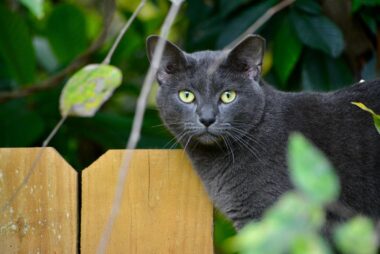
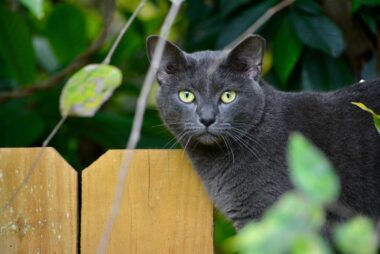
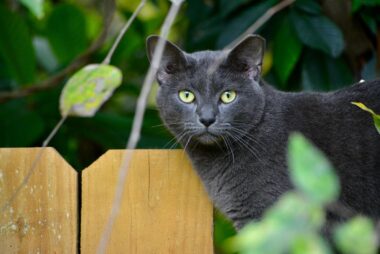
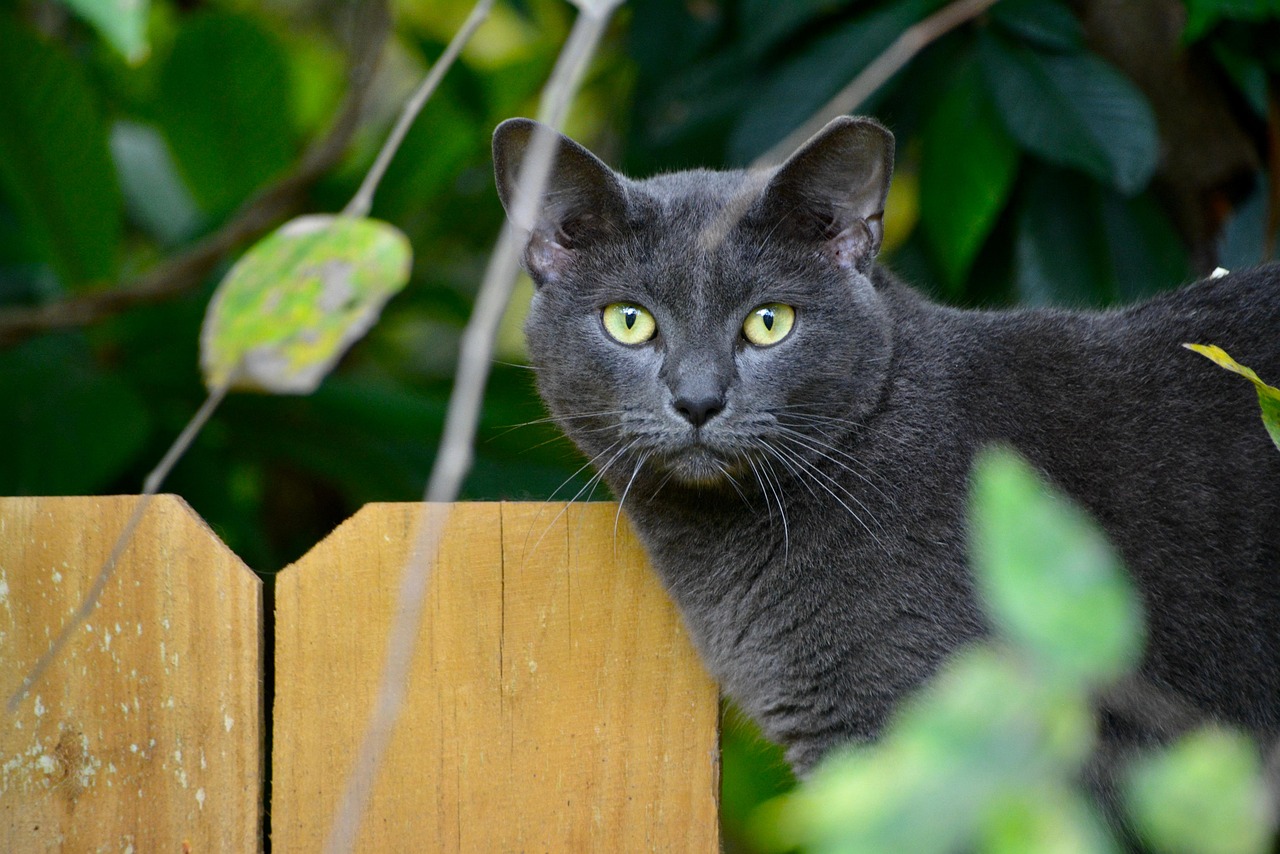
The Korat cat is renowned for its unique coat color, which is a striking silvery-blue. This distinct appearance is the result of specific genetic mutations that influence pigmentation. Primarily, the gene responsible for the striking color in Korats is known as the “D” allele located on the melanocortin-1 receptor gene. This gene determines not only the hue but also the shading of their coat. The absence of this gene can lead to various other colors, indicating how crucial this mutation is for maintaining the breed’s standard. Korats are often described as having a coat that is glossy and shimmering under the light. This quality is attributed to a combination of the pigment density and the individual hair structure, which reflects light superbly. Furthermore, while Korat cats are predominantly blue, they can display variations in intensity, depending on their genetic background and environmental factors. Understanding these genetic foundations aids breeders in maintaining the purity of the breed. Educating the public about these genetic components is essential for preserving the beauty and uniqueness of the Korat cat.
Additionally, the genetics behind the Korat’s coat color can be rather complex. As previously mentioned, the basic color is rooted in the presence of specific alleles. However, this breed has also been influenced by selective breeding practices over generations. Breeders often focus on obtaining the ideal shade and are careful to pair cats that exhibit the desired traits. This meticulous breeding not only guarantees that the descendants inherit the right coloration but also helps maintain the overall genetic health of the breed. It is vital for breeders to take note of genetic diversity within the pool to avoid inbreeding, which could lead to health issues. Each Korat has its own unique genetic blueprint, reflecting a blend of lineage and environmental factors that also impact coat color. Outside of breeding, sunlight exposure can affect the perception of the coat color. For instance, prolonged exposure to sunlight may enhance the blue hues, leading to slight color variations. Observing these elements provides a fascinating exploration into why Korats look the way they do, giving us insight into feline genetics and aesthetics.
Understanding Coat Genetics
While we often appreciate the visual appeal of the Korat’s coat, the underlying genetics tell a more intricate story. The pigmentation in fur is primarily a result of how melanin is produced and expressed in the hair follicles. In the case of Korat cats, the mutation affects the distribution of pigment in the hairs. This can lead to unique characteristics such as the silvery sheen across their blue fur. Also, during the development of a Korat, these genes interact with other genes that can modify and refine the quality of the coat further. It’s through these interactions that variances in shade and texture can develop. On a molecular level, the pigment cells, or melanocytes, play a vital role. The arrangement of these cells and their activity determines how light interacts with the fur, producing the characteristic Korat look. Additionally, environmental conditions can slightly alter the overall appearance of a cat’s fur, adding another layer of complexity to understanding these felines. Veterinarians can help assess these traits, which assists in breeding programs aiming to uphold the Korat standard.
The Korat’s unique genetic composition not only gives it its color but also reflects its history. Originating from Thailand, these cats were revered as symbols of good luck and prosperity. Their blue coats were often linked to nobility, and the breed has maintained its cultural significance over centuries. Such traits were likely emphasized through selective breeding practices aimed at preserving typical characteristics seen in traditional Korats. With the advent of modern genetics, insights into how these traits are inherited can help make better breeding decisions. The relationship between coat color and health is also fascinating. Some studies suggest that certain genetic disorders can be linked to specific color genes within breeds. Continually monitoring and researching the Korat’s health helps ensure that breeders do not lose the essence of this breed’s vibrant history while enhancing its physical traits through informed genetic choices. It is essential for enthusiasts and breeders alike to understand the health implications and beauty inherent in the Korat’s magnificent coat, which begins at a genetic level.
Caring for the Korat’s Coat
Maintaining the coat of a Korat cat is important to emphasize their signature beauty and sheen. This breed is known for having a low-maintenance grooming routine due to the short, dense nature of their fur. However, regular brushing is advisable to remove loose hair and prevent matting. This process also distributes natural oils, enhancing the coat’s shine. As responsible pet owners, it’s essential to keep their skin healthy and clean, which can require occasional baths. When bathing a Korat, utilizing gentle, breed-specific shampoos will ensure that their unique coat remains vibrant without stripping essential oils. Additionally, their ears, eyes, and overall health should not be overlooked; regular checkups can help ensure all aspects of their beauty are maintained. Diet is another critical factor that influences the quality of the coat; a balanced, nutritious diet rich in omega fatty acids supports a healthy coat. By being attentive to the grooming technique and health aspects, owners can ensure Korats maintain their stunning appearance while enjoying overall wellness.
When it comes to promoting a healthy coat and lifestyle, regular vet visits are vital. Korat cats are generally resilient, yet like all breeds, they can be prone to particular health issues. These can include heart and kidney conditions, which underscore the importance of preventative care. Proactive screening for genetics related to coat color can also help catch any hereditary problems early. Understanding these health considerations contributes to responsible pet ownership, encouraging an informed approach to breeding. This knowledge ensures that both pet owners and breeders can work together harmoniously to uphold the breed’s high standards. Awareness campaigns about the health of Korats can aid in educating the community and are fundamental to preserving this breed’s uniqueness and beauty. Sharing information can lead to healthier cats and promote better breeding practices, ensuring long-term growth and sustainability of the Korat population. By valuing both aesthetics and genetics, the Korat’s legacy will continue to shine, ensuring that they remain cherished companions for generations to come.
Conclusion: The Future of Genetics in Breeding
The future of Korat breeding relies heavily on understanding genetic influences on coat colors and overall health. As science progresses, new genetic testing methods offer insight into the best breeding practices. These advancements allow breeders to make informed decisions, promoting the ideal characteristics belonging to the Korat breed without jeopardizing genetic diversity. As genetics continue to evolve, so does the opportunity for breeders to develop strategies that align with maintaining breed standards while ensuring feline health. With responsible breeding and education, the Korat can thrive in contemporary households, preserving its beauty for future generations. There remains a strong sense of responsibility amongst breeders to ensure that their passion aligns with ethical practices. Engaging with the broader pet community about the significance of quality breeding can lead to informed pet owners. The education of enthusiastic followers contributes significantly to the breed’s legacy, fostering a love for Korats worldwide. Through ongoing research and genetic understanding, the enchanting appeal of the Korat will undoubtedly continue to captivate those who admire this beautiful and unique feline breed.
In conclusion, the intricate relationship between genetics and the Korat cat’s coat color is a fascinating subject that has far-reaching consequences. By exploring the specific genes responsible for the breed’s singular appearance, we can appreciate the cultural and historical journey that has brought these beloved companions into our lives. From the shimmering blue coats to their playful nature, the Korat embodies not only beauty but also storytelling rooted in genetics. By advocating for responsible pet ownership and ethical breeding practices, we can secure the future of this iconic breed. Understanding the genetics behind the Korat’s coat color fosters a deeper appreciation for the uniqueness of each cat while ushering in the next generation of cat lovers. The bond between humans and animals flourishes with knowledge, and as we learn more about these exceptional creatures, our admiration grows. Thus, we unfold the ageless story of the Korat, whose integrity shines not only in appearance but also in the radiant spirit that makes them special companions.