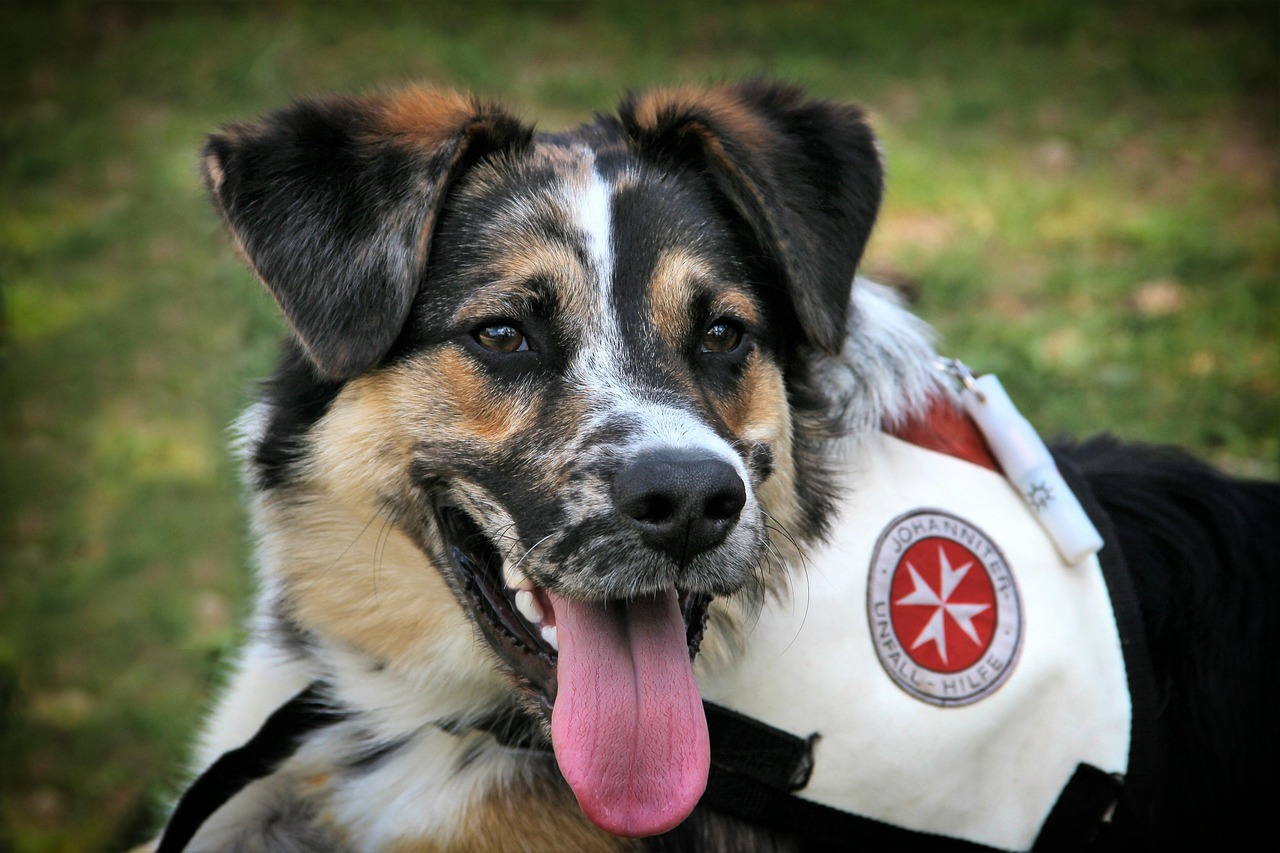

Training and Socialization Programs Offered by Dog Rescue Organizations
Dog rescue organizations provide essential training and socialization programs that are vital for the rehabilitation and adoption success of dogs. These programs aim not only to enhance a dog’s skills but also to prepare them for a loving home. One primary focus of these programs is basic obedience training, which teaches essential commands like sit, stay, and come. This training helps foster respect and trust between the dog and their handler, leading to a more harmonious relationship. Furthermore, rescue organizations often employ professional trainers or volunteers with expertise in dog behavior. This ensures that all training methods used are positive and effective. Additionally, many programs incorporate socialization opportunities with both humans and other dogs to build confidence. This crucial step addresses fears and anxieties common in rescue dogs. Organizations may also offer agility training, which helps improve physical fitness and mental stimulation. Participants often observe improved behavior as dogs adapt to various environments, enhancing their chances of finding forever homes. Overall, such programs play a pivotal role in transforming the lives of rescued dogs. They empower the animals and families, creating lasting bonds that enrich both lives.
Another significant aspect of training and socialization programs is learning to manage specific behavioral issues. Many rescue dogs come with backgrounds that cause anxiety or fear responses. Organizations focus on teaching trainers how to identify these triggers and manage them gently and effectively. Continued training helps prevent future behavioral problems by offering solutions tailored to individual dogs. These programs often include classes on leash manners, teaching dogs not to pull, making walks more enjoyable. Further, many rescue organizations collaborate with local veterinarians to provide access to medical assessments and advice regarding behavior-related issues. Addressing health concerns is foundational because pain or discomfort can often manifest as behavioral problems. Additionally, some dog rescue organizations implement home visitations to see where adopted dogs will live. This proactive approach helps trainers understand the home environment better and tailor training plans accordingly. As a result, owners receive guidance on integrating their dog comfortably into their household. Equipping foster caregivers with training can also smooth transitions into permanent homes by establishing routines early. The combination of these efforts significantly increases the likelihood of successful adoptions and long-term placements, benefiting both the dogs and their new families.
The Impact of Group Classes
Group classes offered by dog rescue organizations serve as another vital component in training and socialization. These classes bring together dogs from different backgrounds, allowing them to learn and socialize in a controlled environment. This interaction fosters play behaviors and helps dogs learn appropriate social cues, which is crucial for their development. Moreover, group classes enable owners to connect with experienced trainers and receive guidance. Participants can ask questions and gain insights from trainers while observing their pets’ reactions to varied stimuli. These settings not only help in obedience training but also aid in building the owner’s confidence in handling their dogs. The support from other participants also contributes to a more positive training experience. Many classes incorporate specific activities such as agility, which provides physical challenges for the dogs while enhancing their confidence. Additionally, rescue organizations often offer discounts for multiple classes or family participation to encourage ongoing training. Such programs ensure that dogs remain engaged, leading to better behavioral outcomes. Furthermore, fostering relationships among local dog owners can create community support networks, helping everyone involved connect over shared objectives in canine care and training.
Beyond physical training, emotional health is crucial for rescued dogs. Many organizations emphasize the importance of mental stimulation through specialized training programs. Interactive games and puzzles can keep a dog’s mind active, addressing issues of boredom that often lead to undesirable behaviors. Promoting a well-rounded approach to training is essential. Enrichment activities are vital to developing different skills, so dogs feel involved and happy. Some rescue organizations offer workshops on canine psychology, helping owners understand their dogs’ needs better. This knowledge allows owners to treat their dogs more effectively and prevent common behavioral problems. Additionally, training programs focused on clicker training can help reinforce positive behavior by marking desired actions. Organizations may also offer resources for developing obedience at home beyond structured classes. Online seminars, instructional videos, and text guides can create a comprehensive learning experience for both the dog and its owner. Building this foundational knowledge continues to nurture healthy bonds between humans and dogs. Emphasizing mental and emotional training alongside physical obedience ensures that rescue dogs are well-equipped for their new lives, contributing to their happiness and longevity.
Support for Foster Parents
Fostering can be an emotional but rewarding journey for those involved in rescue organizations. Training programs often extend support specifically tailored to foster caregivers, equipping them with the tools necessary for assisting transitioning dogs. These programs cover various topics, including understanding basic canine needs, behaviors, and effective communication strategies. Sharing experiences among other foster parents through regular meet-ups or support groups can create a nurturing environment for both the dogs and caregivers. Having a network can alleviate social isolation, providing emotional support and compassionate understanding about the challenges of fostering. Organizations may also arrange training sessions that focus on building relationships with fostered dogs. This aspect is vital for ensuring that they feel safe and secure during their time in a foster home. They may also benefit from learning about crate training and housebreaking techniques. Behavior modification strategies can be discussed to address any issues involving anxiety or aggression. Furthermore, providing ongoing education for foster parents prepares them for future endeavors. Ultimately, a well-supported foster network enhances the chances of successful adoptions, benefiting dogs and their future families.
As the community grows around dog rescue organizations, outreach programs have become increasingly popular. These initiatives are designed to raise awareness about the importance of training and socialization. Community workshops educate potential adopters on the significance of proper training techniques to ensure lasting success for rescue dogs. Public demonstrations showcasing trained dogs can also inspire potential adopters by emphasizing the positive outcomes of effective socialization. In addition to workshop formats, organizations often develop educational materials such as brochures and online content. Creating accessible resources allows for wider distribution of crucial information concerning responsible dog ownership. Training and socialization programs can tie into adoption events, helping prospective owners understand the adoption process and its impact on behavior. Likewise, organizations often partner with local schools, offering programs for children to learn about dog care and safety. This focus on education encourages responsible pet ownership early on. Programs are essential for creating a more informed community in which rescued dogs can thrive. With increased knowledge and awareness, the chances of successful placements improve significantly, laying the groundwork for a compassionate and responsible attitude towards dogs in need.
Conclusion
In conclusion, training and socialization programs offered by dog rescue organizations play an essential role in preparing rescued dogs for their forever homes. These programs equip both dogs and their owners with valuable skills for a successful transition into a loving family environment. Overall, the focus on comprehensive training, behavioral management, and emotional support significantly impacts the well-being of dogs. The interactions fostered among rescue dogs, other pets, and the community creates a nurturing environment, enhancing everyone’s bond. Raising awareness through outreach initiatives encourages responsible pet ownership and long-term solutions for behavior management. In doing so, these programs promote healthier relationships between owners and their dogs. By supporting foster caregivers, facilitating group training sessions, and helping evaluate behavioral issues, organizations can improve outcomes for many dogs. Consequently, potential adopters are better equipped to understand and meet their new companions’ needs. As these dogs flourish in their environments, the benefits reach far beyond their immediate family. It is a community-wide effort where everyone can contribute to improving the lives of rescued dogs, making it rewarding for all involved.