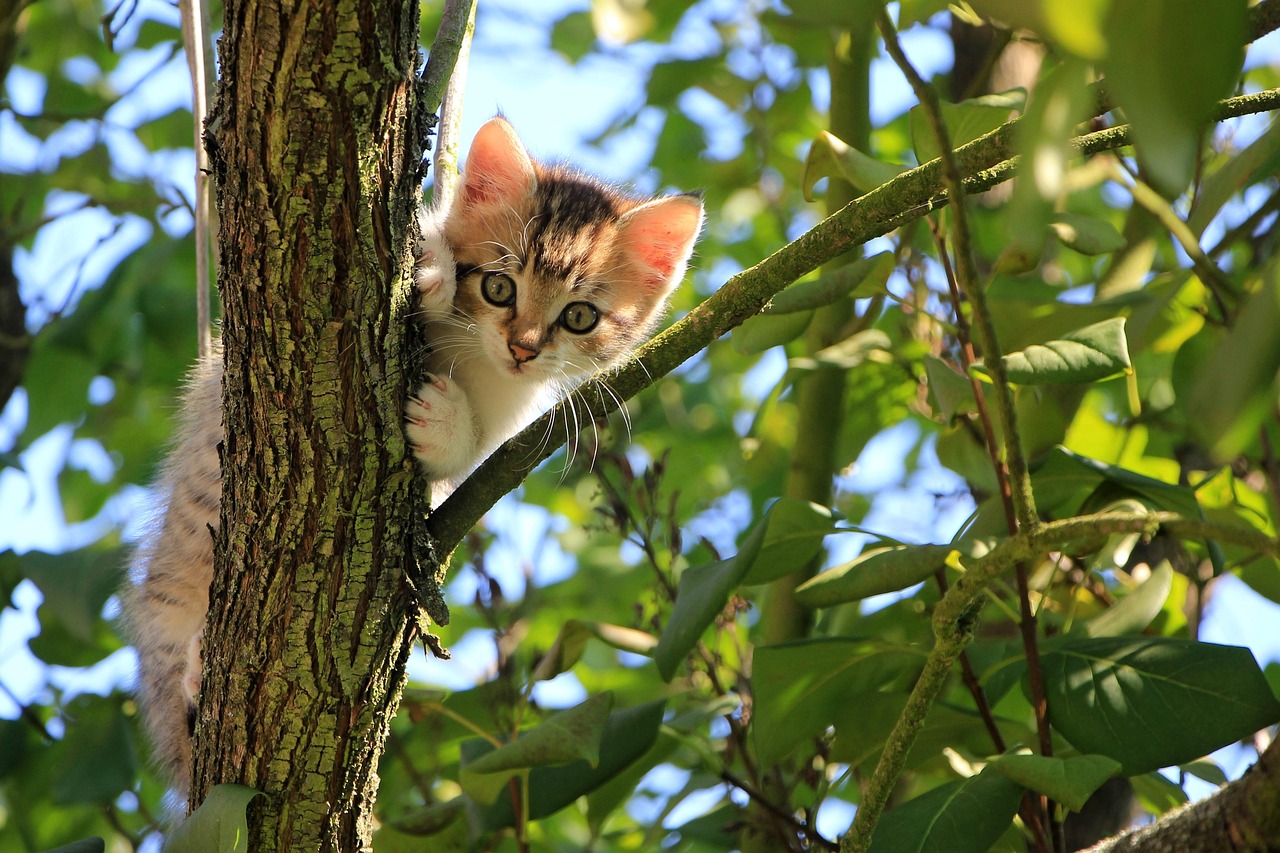

Understanding Cat Behavior When Traveling Together
Traveling with multiple cats can be a unique adventure filled with challenges and opportunities for bonding. Each cat has its own distinct personality and behavior, which can affect how they react to travel. One key is to understand that while cats are known for being independent, they can also feel stress when their routines are disrupted. Recognizing signs of anxiety such as hiding, excessive vocalization, or changes in eating habits is important. To ease their transition, establish a safe travel environment using familiar carriers. Saturate the carriers with comfort items like blankets or toys. It’s crucial to plan your journey according to your cats’ comfort levels. Regular breaks during long trips can minimize their stress. Aim to find pet-friendly accommodations that allow you to maintain a consistent routine. Be sure to offer treats or meals at the usual times, bringing familiar food to avoid digestive upset. This sense of normalcy can help. Always consider having a pet first-aid kit handy, as this might give both you and your cats peace of mind during your travels. This will contribute to an enjoyable experience for the entire family.
The Importance of Pre-Trip Preparations
Preparing for a trip with your cats involves more than just packing their food and toys. It’s crucial to conduct a full health check with the veterinarian before your journey. Ensure that vaccinations and preventative treatments, such as flea and tick control, are current. If your cats are prone to motion sickness, ask your vet about suitable medications or remedies. Acquaint your cats with their travel carriers well in advance of your trip. They should feel like safe spaces, not just transport devices. This can mean allowing your cats to explore the carriers at home or associating them with positive experiences. Keep them calm during travel by playing soothing music or utilizing calming pheromone sprays. Before leaving, double-check to ensure that you have your veterinarian’s contact information and any paperwork necessary for travel. A microchip is always a good idea in case of lost cats. For long journeys, ensure your cats are wearing collars with ID tags. Additionally, plan your stops for exercise and bathroom breaks, allowing your cats to stretch and regain composure. Ensuring these aspects will ease anxieties for both you and your furry companions.
When on the road, monitoring your cats’ behavior is critical. Each cat may showcase distinct reactions to travel, ranging from curious enthusiasm to nervous trembling. Some may spend a lot of time exploring once they’ve settled in a temporary location, while others might prefer to stay inside their carriers, desiring the comfort of confining spaces. Observe their interactions, especially if you have more than one traveling together. Understand that territorial disputes could emerge, leading to stress among your feline friends. Separate carriers might ease tensions during travel, giving each cat their own personal space. Frequently check for symptoms of anxiety and address them calmly. Encourage engagement with toys or interactive play during breaks. In addition, use calming strategies, like soft talking or gentle petting, to reassure them. Establishing a routine creates stability, even when on the move. Cats typically thrive on consistency, so try to maintain familiar feeding and play schedules to keep them comfortable and secure. Taking this approach can contribute significantly to their happiness and reduce the overall stress of the traveling experience.
Food and hydration are critical elements to consider during traveling. Just like humans, cats need to stay hydrated, especially in changing environments. Keep a water bowl handy and encourage their hydration at regular intervals. Dehydration can quickly become a concern during travel, so prepare to offer small amounts of water frequently, as some cats might not drink as well in unfamiliar settings. Ensure that meals are consistent with their normal routine to avoid digestive issues that can arise from abrupt changes. Pack their regular food and introduce any changes gradually to help maintain their digestive health. When serving their meals, try to retain their usual feeding patterns while still allowing some flexibility. If your travels lead you to new locations, scout out options that can accommodate pet-friendly dining or grocery stores for supplies. Also, be mindful of cat-safe treats that can alleviate stress and provide comfort. Store food and supplies in easy-to-access containers. Maintaining their regular diet can significantly support their well-being during travels, making the journey more enjoyable for both you and your cats.
Managing litter box needs is an essential factor when traveling with your cats. Consider bringing a portable litter box that fits your travel needs while ensuring that your cats feel comfortable using it. Litter box training prior to the trip may help prepare your cats for its use in varied environments. Familiarize them ahead of time with the litter that you will use during travel. Cleanliness is particularly important, as cats can become anxious in messy environments. Schedule regular stops to allow your cats to relieve themselves and keep their box clean. You might also consider using eco-friendly or clumping litters to minimize odors. This ensures that your travel experience remains pleasant for everyone involved. If possible, designate a quiet space for the litter box during your stay at pet-friendly accommodations. Remember that different cats have different preferences; some may be particular about their bathroom habits. Identifying their preferences early can ensure that they feel comfortable while traveling. When your cats are comfortable with their litter arrangements, it promotes an overall calmer demeanor throughout the travel experience.
Understanding the differences in personalities among multiple cats is crucial to ensuring a peaceful journey. Just as humans have varied temperaments, your feline companions will also have their own traits. Some may be adventurous and curious, eager to explore new spaces, while others might be shy or more reserved. This disparity can lead to challenges, especially in unfamiliar settings. By acknowledging each cat’s unique behavior and preferences, you can tailor your travel experience to best suit their needs. Foster positive interactions through playtime and gentle socialization while traveling. Additionally, for those more reserved cats, offering a secure, quiet space can significantly reduce their anxiety. During breaks, allow your cats to interact in safe, contained areas to promote bonding and reduce any existing tensions. Monitoring their interactions will help gauge their comfort levels. It’s important to always prioritize their emotional well-being by encouraging friendly behaviors when together. Successful group travel requires open communication and awareness of their feelings. By facilitating a harmonious environment, you foster a smoother journey for both them and you.
Upon arriving at your destination, the transition is equally important for your cats. Provide them with a quiet space designated to help them acclimate slowly to their new surroundings. Having familiar belongings such as blankets or favorite toys can significantly reduce stress. Set up each cat’s area personally, allowing them to explore while feeling secure. Introduce new environments gradually, ensuring that they can retreat to their safe space as needed. Allow cats to explore their surroundings at their own pace, rather than forcing them into open areas. Provide secure hiding spots, as these can offer comfort during the adjustment period. Actively monitor their behavior as they explore; observing how they adapt can help you gauge their comfort levels. Be patient as they take time to acclimate to the new smells, sounds, and textures. This transition phase is vital for their emotional health and well-being. Incorporate the same feeding routine to maintain familiarity. Your support and care during this transition will provide an essential foundation for the overall success of traveling with your cats.